- Address:Zhengzhou, Henan, China
- Mon-Fri (8am - 6pm)
- sales@alummc.com

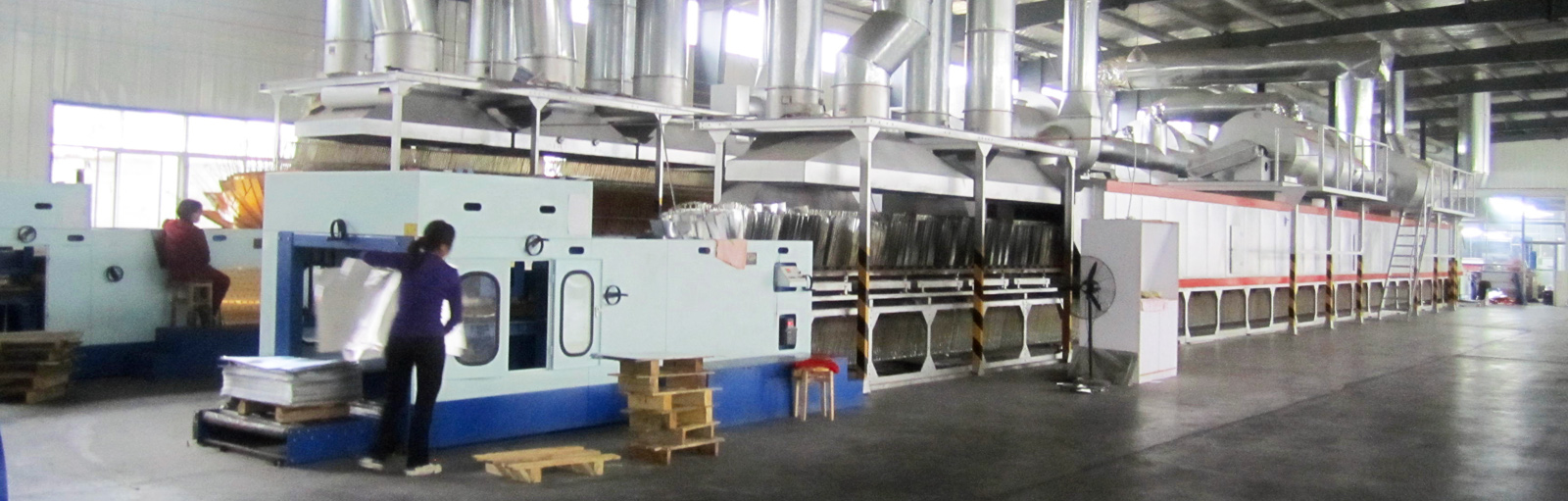
Lacquered 3105 Aluminum Closure Sheet For Wine Caps
Background: Why Wine Caps Need Lacquered Aluminum Closure Stock
Wine closures operate under a combination of mechanical forming, product contact, and brand presentation requirements. During cap forming, the sheet must withstand deep drawing, knurling, and thread rolling without cracking or excessive wrinkling. In service, the closure must maintain barrier performance against oxygen ingress and resist corrosion from humidity, storage conditions, and occasional exposure to wine vapors or cleaning agents. At the same time, the surface must support consistent lacquer adhesion and, when required, high-quality printing.
As a manufacturer of aluminum closure sheet, we supply lacquered 3105 aluminum closure sheet for wine caps engineered for stable forming and dependable coating performance. 3105 is a widely used Al-Mn alloy that offers an effective balance of strength, ductility, and surface quality for cap stock, including ROPP cap aluminum sheet and other screw cap formats used in the wine industry.
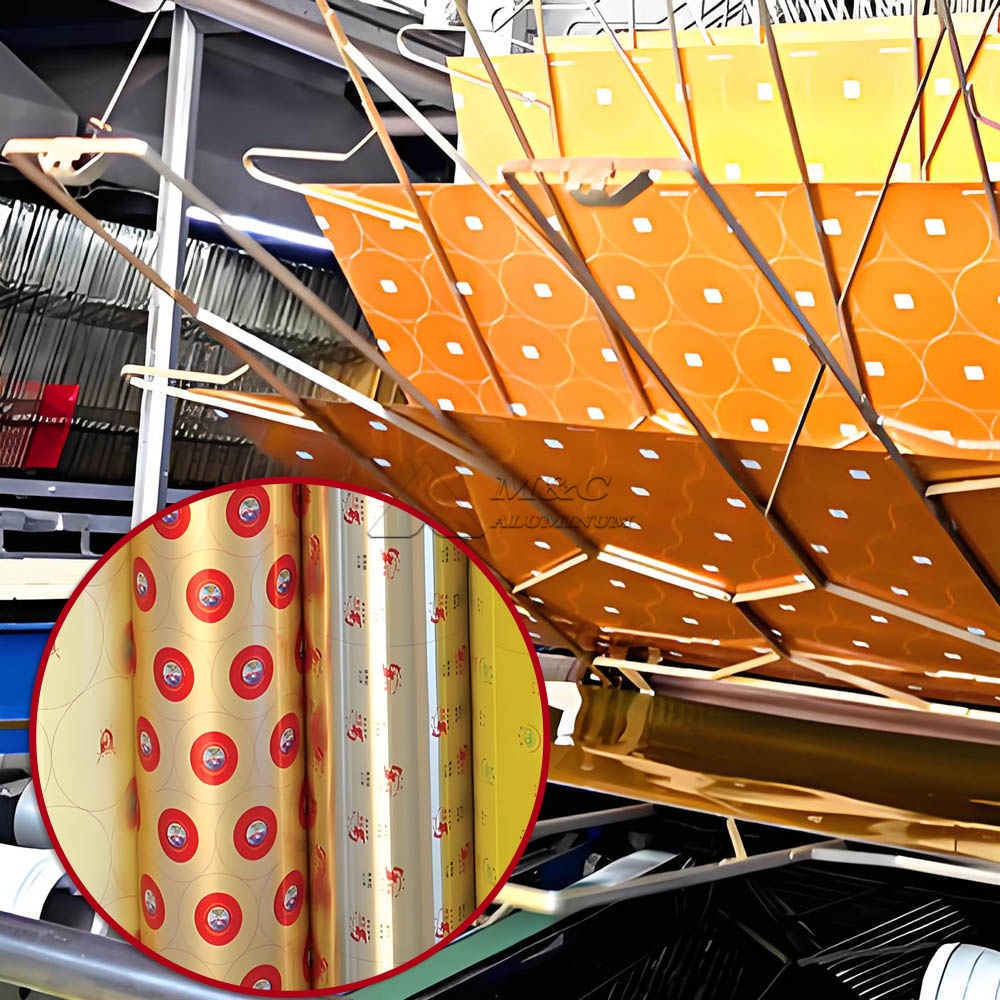
Material and Product Features
Base Alloy: 3105 (Al-Mn Series)
3105 aluminum is selected for closure sheet primarily for its controlled work hardening behavior and good corrosion resistance. In cap manufacturing, this translates to reliable drawability and reduced risk of earing when the coil and temper are properly managed.
Key base-metal advantages for wine cap stock include:
Stable mechanical properties suitable for multi-step forming.
Consistent grain structure supporting uniform deformation.
Good compatibility with roller coating systems and lacquer adhesion.
Corrosion resistance suitable for packaging environments.
Lacquer System: Functional Protection and Process Stability
For wine caps, lacquer is not only cosmetic. It is a functional layer that supports corrosion resistance, reduces scuffing, and provides a consistent surface for downstream printing and forming.
We supply lacquered closure sheet with process-oriented controls:
Coating weight control and curing consistency to minimize powdering and blocking.
Surface cleanliness and roughness management to support adhesion.
Optional internal and external coating systems tailored to cap designs.
Surface and Formability Performance
Closure sheet performance is determined by the combined behavior of the substrate and coating.
Forming stability: temper selection and gauge tolerance are managed to reduce split risk and maintain thread definition.
Coil flatness: controlled leveling and tension management improve feeding stability on high-speed cap lines.
Coating integrity: cured lacquer is designed to maintain continuity through drawing and knurling without flaking.
Typical Specifications and Technical Parameters
The following table summarizes typical supply ranges for 3105 aluminum sheet for wine caps. Final parameters can be adjusted based on your cap type, forming equipment, and coating/printing process.
| Item | Typical Range / Option | Notes for Wine Cap Production |
|---|---|---|
| Alloy | 3105 | Al-Mn alloy for closure stock |
| Temper | H14, H16, H18 (others on request) | Selected by forming depth and line speed |
| Thickness | 0.18 to 0.30 mm | Commonly used for wine screw caps |
| Width | 300 to 1250 mm | Slitting to your press requirement |
| Coil ID | 150 mm, 300 mm, 505 mm | As required by decoiler |
| Coil OD | Up to ~1500 mm (subject to logistics) | Packed for export |
| Surface finish | One-side or two-side coated | Matched to cap design |
| Lacquer type | Epoxy, polyester, BPA-NI options | Subject to regulatory requirements |
| Coating thickness (dry film) | 3 to 8 microns (typical) | Internal/external may differ |
| Coating hardness and flexibility | Controlled per application | Balanced to avoid cracking during forming |
| Color and gloss | Customized | Brand appearance requirements |
| Printing compatibility | Roller coating and printing support | For decorative and brand artwork |
| Edge condition | Trimmed, burr-controlled | Improves slitting and stamping stability |
| Inspection | Gauge, coating, appearance, mechanical tests | Batch-based and in-process controls |
Manufacturing Capabilities: From Melting to Lacquered Coil
As a factory, we manage the full process chain needed to produce consistent coated aluminum sheet for bottle caps.
1) Rolling and Coil Preparation
We produce closure stock through controlled hot rolling and cold rolling schedules. Key controls include:
Gauge accuracy and profile control across width.
Surface cleanliness management for coating adhesion.
Coil shape control (flatness, camber) for stable feeding.
2) Annealing and Temper Control
Temper affects drawability and cap threading behavior. We supply multiple tempers and manage mechanical property stability through controlled annealing and process monitoring.
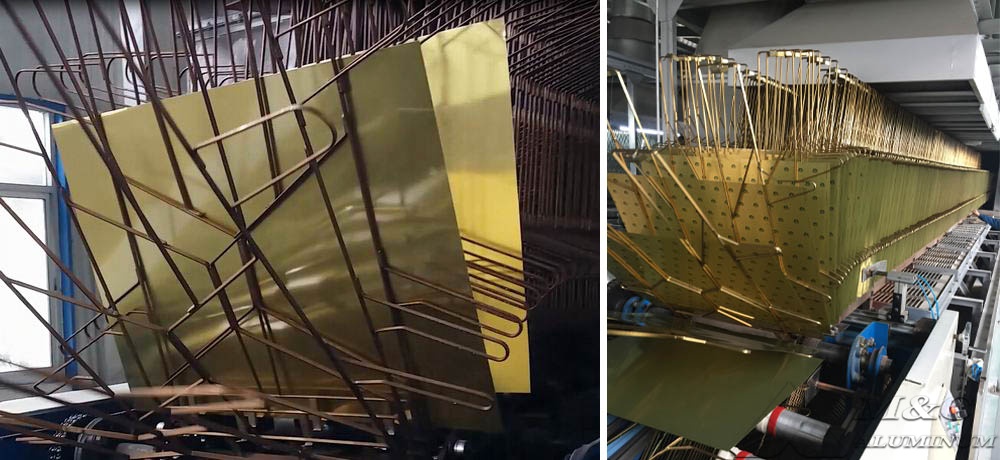
3) Coil Coating and Curing
We apply lacquer using industrial roller coating lines with controlled curing profiles. This supports:
Uniform coating thickness and gloss.
Consistent cure to reduce solvent retention and surface defects.
Blocking resistance to support coil storage and shipment.
4) Slitting, Packaging, and Export Readiness
After coating, coils can be slit to required widths with burr control and edge inspection. Packaging is designed for sea freight and long-distance handling.
Quality Control, Standards, and Traceability
Closure sheet is a high-volume packaging material, but failures are costly. Our quality system is built around prevention and traceability.
Typical control items include:
Chemical composition control: alloying elements verified per melt and coil.
Mechanical testing: tensile strength and elongation aligned to temper and forming needs.
Gauge and profile inspection: online and offline measurements.
Surface inspection: coating appearance, pinholes, scratches, inclusions, and contamination.
Coating tests: adhesion, solvent rub, cure evaluation, and flexibility checks (as specified).
Dimensional checks: width, camber, and edge quality for slitting consistency.
We support documentation packages commonly requested in export trade, including inspection reports, coil traceability, and compliance-related declarations depending on the lacquer system specified.
Customization Options for Wine Cap Producers
Wine caps vary by market, bottling line, and brand strategy. We offer customization for the main technical levers that affect production yield and appearance.
Temper matching: optimized for drawing depth and tamper-evident band formation.
Lacquer system selection: internal and external coatings tailored to contact requirements and performance targets.
Color and gloss: consistent shade control for brand identity.
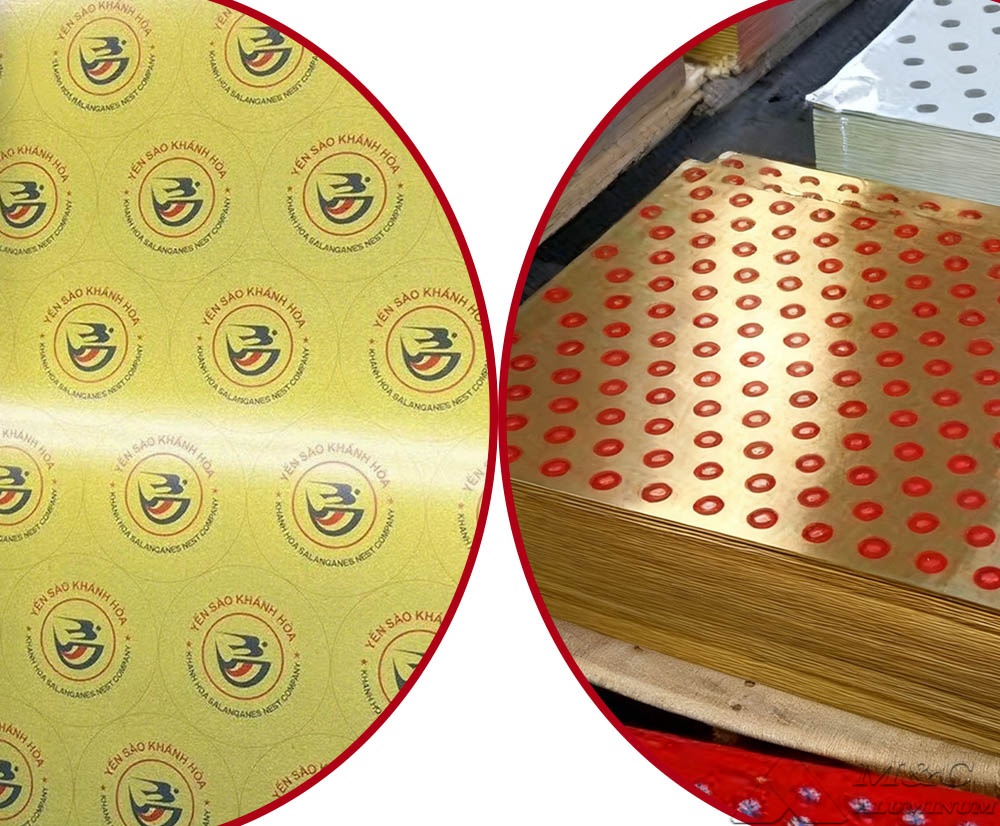
Printing base: surface preparation to support high-definition graphics.
Coil geometry: ID, OD, and slit width tailored to your line.
For projects involving new cap designs, we can align coil properties and coating selection with your forming trials to reduce iteration time.
Application Scenarios and Target Industries
Our aluminum closure sheet for wine caps is used across multiple closure formats and packaging segments:
Wine screw caps (standard and premium appearance requirements)
ROPP closures with tamper-evident bands
Spirits closures requiring consistent forming and surface durability
Non-carbonated beverage caps where lacquer protection and appearance are important
Select food and pharmaceutical cap applications where lacquer specification is defined
Advantages vs Common Alternatives (General Comparison)
Selecting closure stock is usually a balance between forming yield, corrosion resistance, and appearance stability. Compared with common alternative approaches, lacquered 3105 closure sheet offers several practical advantages.
1) Improved Corrosion and Stain Resistance
Uncoated metal surfaces can show staining or corrosion in humid storage, particularly when packaging conditions are variable. A properly selected lacquer system reduces these risks and supports stable shelf appearance.
2) Better Surface Consistency for Branding
Wine caps are part of brand communication. Lacquered coil provides a controlled base for printing and color management, helping reduce shade variation and surface defects that can appear after forming.
3) Stable High-Speed Forming Behavior
In mass production, small variations in gauge, temper, or coating cure can lead to downtime. Closure sheet produced with controlled rolling, temper management, and coating cure consistency supports stable line performance and improved yield.
4) Lower Risk of Handling Damage
Coated surfaces can be engineered for scuff resistance and reduced friction, which helps during coil handling, stamping, and cap conveying, especially when line speeds are high.
Cooperation Model: Stable Supply and Technical Support
We supply lacquered 3105 aluminum closure sheet as coils and slit coils for cap producers and closure converters. Our focus is long-term stability: consistent raw material sourcing, controlled processing, and repeatable coating performance.
For ongoing programs, we support:
Technical alignment on cap design, temper, and lacquer selection
Batch consistency management and traceability
Process feedback loops based on your forming and printing outcomes
Stable production scheduling for regular export shipments
If you share your target cap type, forming method, lacquer requirements, and preferred coil dimensions, we can recommend a practical specification and provide trial material for validation. Our objective is to be a stable manufacturing partner for wine closure supply chains, with reliable quality and responsive technical support over the full lifecycle of your product.


Applications

-
Advisory Message
Alloy Grade Thickness, Application, etc.
-
Quick Reply
Quick reply within 30 minutes
-
Getting Information
One-to-one design and customized production plan