- Address:Zhengzhou, Henan, China
- Mon-Fri (8am - 6pm)
- sales@alummc.com

3105 H24 Aluminum Closure Sheet
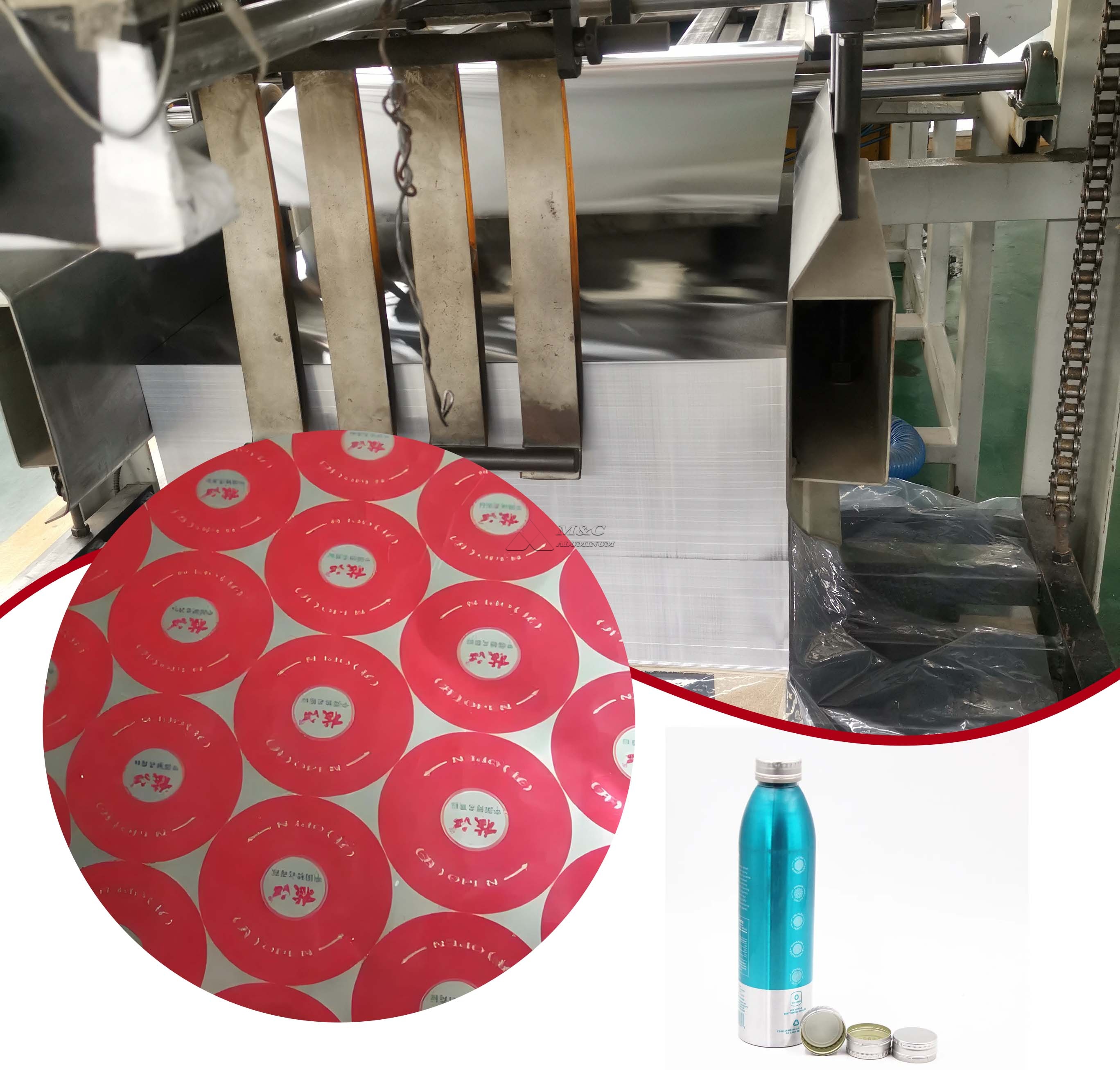
As a professional aluminum bottle cap material manufacturer, we produce 3105 H24 aluminum closure sheet engineered for consistent performance on high-speed cap and closure forming lines. Closures for beverages, food, pharmaceuticals, and household products demand repeatable deep drawing, embossing, knurling, and threading behavior, while also maintaining excellent coating and printing adhesion. The 3105 aluminum closure sheet in H24 temper is widely selected for these requirements due to its balanced strength, controlled work hardening, and reliable surface quality.
This article introduces our 3105 H24 closure stock from a factory perspective, including material characteristics, key specifications, manufacturing and quality control, customization options, typical applications, and a practical comparison with alternative alloys.
Product Overview and Material Background
3105 aluminum alloy belongs to the Al-Mn series aluminum alloys (3 series aluminum alloys). It is optimized by adding a small amount of magnesium to the 3003 alloy, giving the material better strength and corrosion resistance.. For closure manufacturing, the selected temper is critical:
H24 indicates strain-hardened and partially annealed material.
It provides a controlled balance between strength and elongation, supporting forming operations such as shell drawing and subsequent knurling or pilfer-proof band forming.
Therefore, 3105 H24 aluminum closure plates are very suitable for bottle cap forming processes such as stamping, stretching, and rolling.
Features and Performance of 3105 H24 Aluminum Closure Stock
1) Formability for High-Speed Closure Lines
3105 H24 provides good formability for:
Drawing and redraw operations
Thread rolling and knurling
Pilfer-proof band forming for ROPP closures
Curling and sealing interface formation
We control process parameters to reduce variability in yield strength and elongation, which directly affects forming stability and scrap rate.
2) Coating and Printing Compatibility
Closures typically require one or more of the following:
Interior lacquer for product resistance
Exterior base coat and printing
Protective varnish
Our surface preparation, rolling cleanliness, and optional chemical pretreatments are designed to support coating adhesion and print quality. We supply sheet suitable for common closure coating systems after customer-side or coil-coater processing.
3) Corrosion Resistance for Packaged Products
3105 has good corrosion resistance in typical packaging environments. When combined with appropriate interior lacquer, it supports applications including carbonated beverages, edible oils, sauces, and household chemicals where closures must maintain appearance and sealing integrity.
4) Dimensional Stability and Flatness
Consistent flatness is required for accurate blanking and feeding. Our tension leveling and process control target stable flatness to support high-speed punch presses and minimize feeding issues.
Technical Specifications (Typical Supply Range)
The following table summarizes typical parameters for our 3105 H24 aluminum closure sheet. Final values can be customized based on closure design, tooling, and line speed.
| Item | Typical Specification | Notes |
|---|---|---|
| Alloy | 3105 | Al-Mn series |
| Temper | H24 | Strain hardened, partially annealed |
| Thickness | 0.18 to 0.35 mm | Common closure gauges; other thicknesses on request |
| Width | 300 to 1400 mm | Slit-to-width for press lines |
| Length (sheet supply) | 500 to 2000 mm | If supplied as sheets; coil is standard |
| Coil ID | 150, 300, 505 mm | Per customer uncoiler requirements |
| Coil OD | Up to customer limit | Dependent on gauge and logistics |
| Surface finish | Mill finish, one side bright optional | Surface engineered for coating and printing |
| Flatness | Controlled for stamping | Defined by customer press capability |
| Typical mechanical property window | Controlled by process | Set by customer forming needs; mill test report provided |
| Standards | ASTM B209, EN 485 (as applicable) | Supply to agreed standard and customer specs |
| Packing | Seaworthy export packing | Moisture barrier and edge protection available |
Note: Mechanical properties depend on final gauge, rolling reduction, and partial anneal. We confirm targets with customers during trial approval to match specific closure tooling.
Manufacturing Capabilities and Process Control
Rolling and Heat Treatment Control
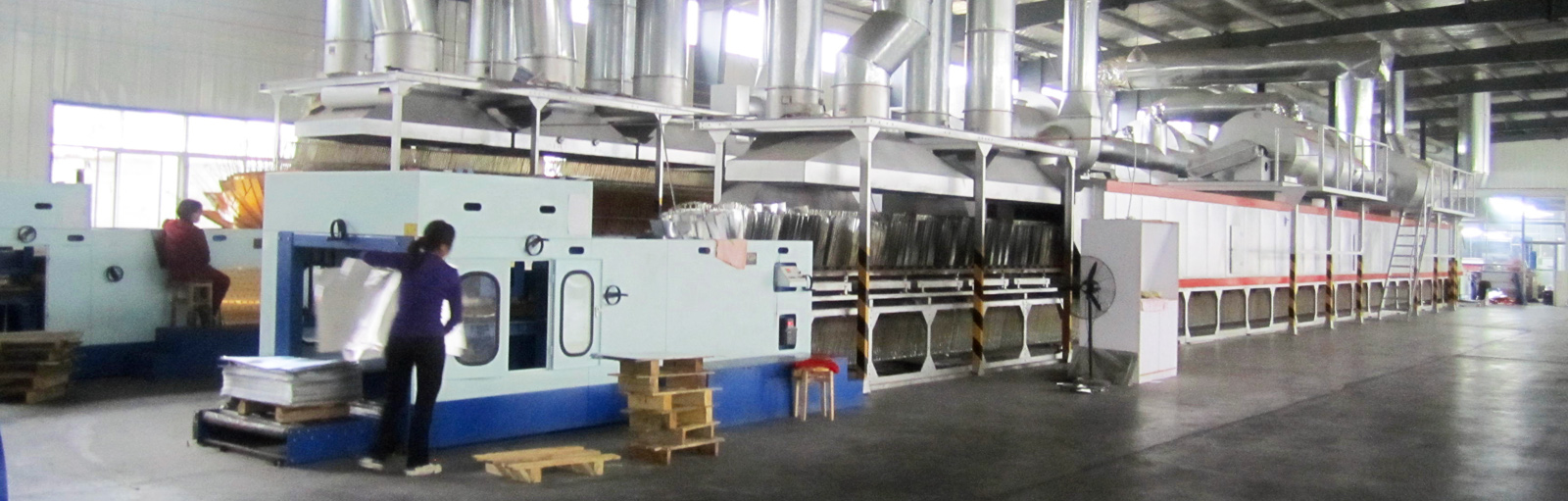
We produce closure stock through controlled hot rolling, cold rolling, and partial annealing to achieve H24 temper. Key controls include:
Reduction schedules designed for stable work hardening
Partial anneal profiles tuned to balance yield strength and elongation
Online monitoring to maintain thickness profile and gauge stability
Surface Quality Management
Closure decoration is sensitive to surface defects. We focus on:
Clean rolling practices with filtration and oil management
Surface inspection and segregation of nonconforming material
Optional surface roughness control to support coating anchorage
Slitting and Cutting
We provide coil slitting and sheet cutting to match press layouts:
Tight width tolerances for consistent blanking
Burr control and edge condition management
Coil telescoping and camber control for stable feeding
Advantages of 3105 H24 Aluminum Sealing Plates for Bottle Caps
1. Excellent Stamping and Forming Performance
3105 H24 aluminum sheet has good ductility and is not prone to cracking during stamping and deep processing, meeting the requirements of multiple stamping and edge-rolling processes in bottle cap production.
2. Moderate Strength and Stable Structure
Compared to pure aluminum, 3105 alloy has higher mechanical strength, ensuring that bottle caps are not easily deformed during transportation and use.
3. Excellent Corrosion Resistance
3105 aluminum alloy has good corrosion resistance to air, moisture, and various food media, making it ideal for food and beverage packaging.
4. Excellent Surface Quality
Aluminum closure plates used in bottle cap production typically require a smooth, oil-free, and scratch-free surface to ensure the quality of subsequent printing, coating, and embossing processes.
5. Good Printing and Coating Performance
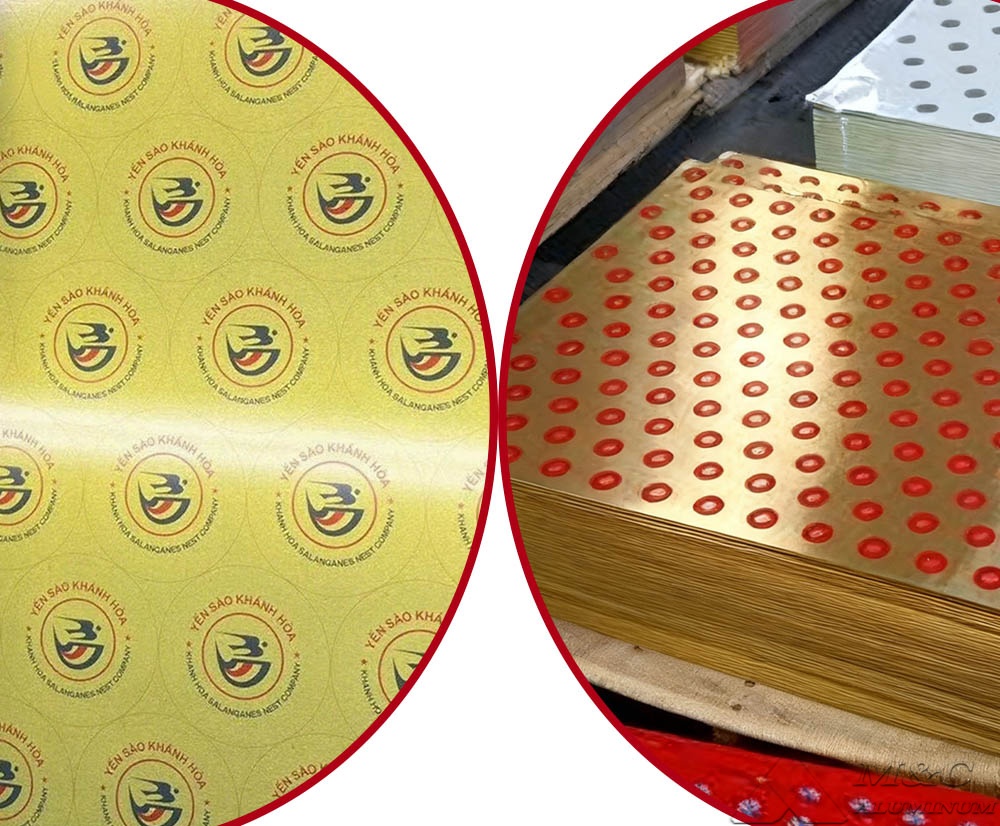
3105 H24 aluminum sheet has excellent surface treatment properties, suitable for color printing, coating, and brand logo processing.
6. Food-grade safety
Meets food contact standards, is non-toxic, odorless, and does not leach heavy metals, and can be used directly in food and beverage bottle caps.
Application Scenarios and Target Industries
Our 3105 H24 aluminum sheet for caps is commonly used in:
Beverage closures: ROPP caps for spirits, wine, water, and functional beverages; closures for glass bottles and PET containers.
Food packaging: edible oil caps, condiment bottle closures, and specialty jars where decoration and sealing are critical.
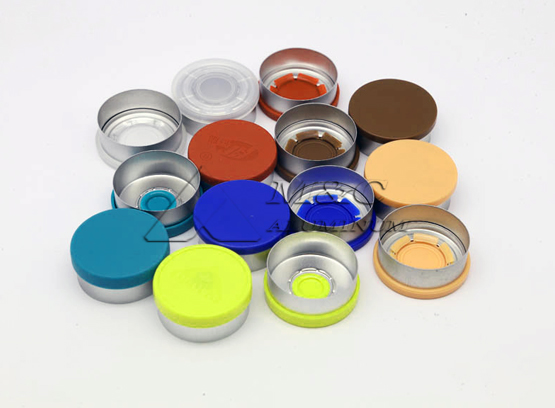
Pharmaceutical and nutraceutical packaging: tamper-evident closures requiring consistent forming and clean surfaces.
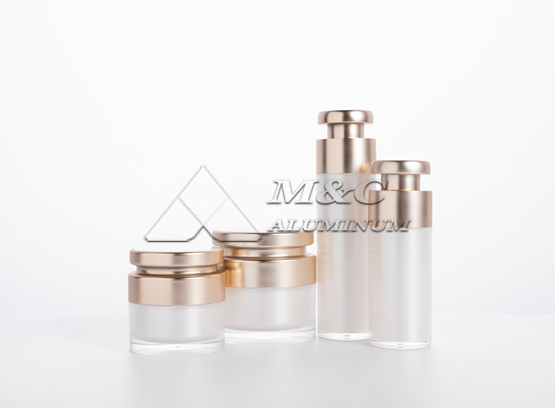
Household and personal care: closures for detergents, cosmetics, and chemical products where coating resistance matters.
For each segment, cap performance depends on consistent sheet properties, which is why closure stock is managed with narrower tolerances than general sheet.
Comparison with Other Common Closure Alloys
Selecting the right alloy is driven by forming severity, desired strength, decoration requirements, and cost targets.
3105 H24 vs 8011 H14/H24
Formability: Both are used for closures; 3105 often provides stable forming behavior in many cap designs.
Strength balance: 3105 H24 can offer a favorable balance for knurling and pilfer-proof band formation.
Process stability: With controlled rolling and partial annealing, 3105 can deliver consistent performance coil-to-coil.
3105 H24 vs 5052 H24
Strength: 5052 generally offers higher strength due to Mg content.
Forming: For some closure designs, higher strength may require more forming force and tighter tooling control.
Cost and availability: 3105 is often selected for high-volume closures where formability and stable supply are priorities.
3105 H24 vs 3003 H24
Similarity: Both are Al-Mn alloys and widely used in packaging.
Selection: 3105 is frequently chosen for closure stock programs depending on customer standards and historic qualification; 3003 can be an alternative where qualified.
Material choice should be validated through forming trials, coating trials, and line efficiency metrics. We support this evaluation with technical data and sample supply.


Applications
-
Advisory Message
Alloy Grade Thickness, Application, etc.
-
Quick Reply
Quick reply within 30 minutes
-
Getting Information
One-to-one design and customized production plan