- Address:Zhengzhou, Henan, China
- Mon-Fri (8am - 6pm)
- sales@alummc.com

0.2 mm Thick Smooth, Oil-Free Aluminum Sheet for Bottle Cap Applications
As a manufacturer of aluminum closure materials, we produce 0.2 mm aluminum sheet for bottle cap applications where surface consistency, cleanliness, forming performance, and coating compatibility are essential. Bottle cap production is a high-speed converting process. Even small variations in thickness, residual rolling oil, flatness, or mechanical properties can affect blanking, deep drawing, threading, printing, and final closure quality.
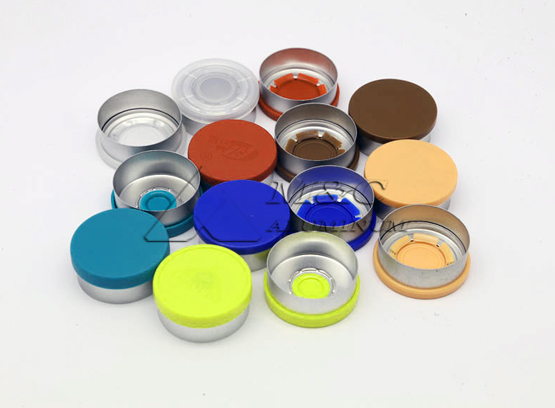
Our oil-free aluminum sheet is designed for manufacturers of beverage caps, wine closures, spirits closures, pharmaceutical caps, cosmetic closures, and other aluminum packaging components. Through controlled alloy selection, precision rolling, surface treatment, and inspection, we supply aluminum closure sheet with a smooth, clean surface suitable for downstream lacquer coating, color printing, embossing, and forming.
Why 0.2 mm Aluminum Sheet Is Used for Bottle Caps
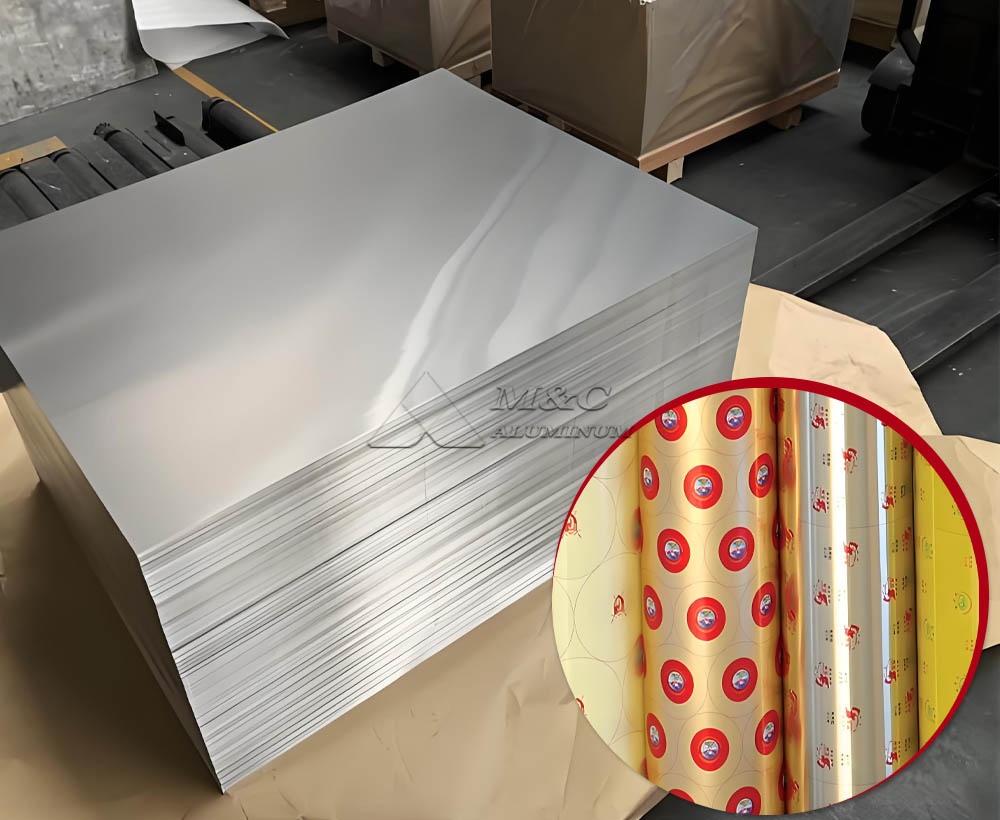
A thickness of 0.2 mm is widely used in aluminum bottle cap manufacturing because it provides a practical balance between stiffness, ductility, lightweight performance, and material efficiency. The sheet must be strong enough to retain the designed closure profile after forming, while remaining sufficiently ductile to withstand drawing, knurling, threading, and tamper-evident band formation.
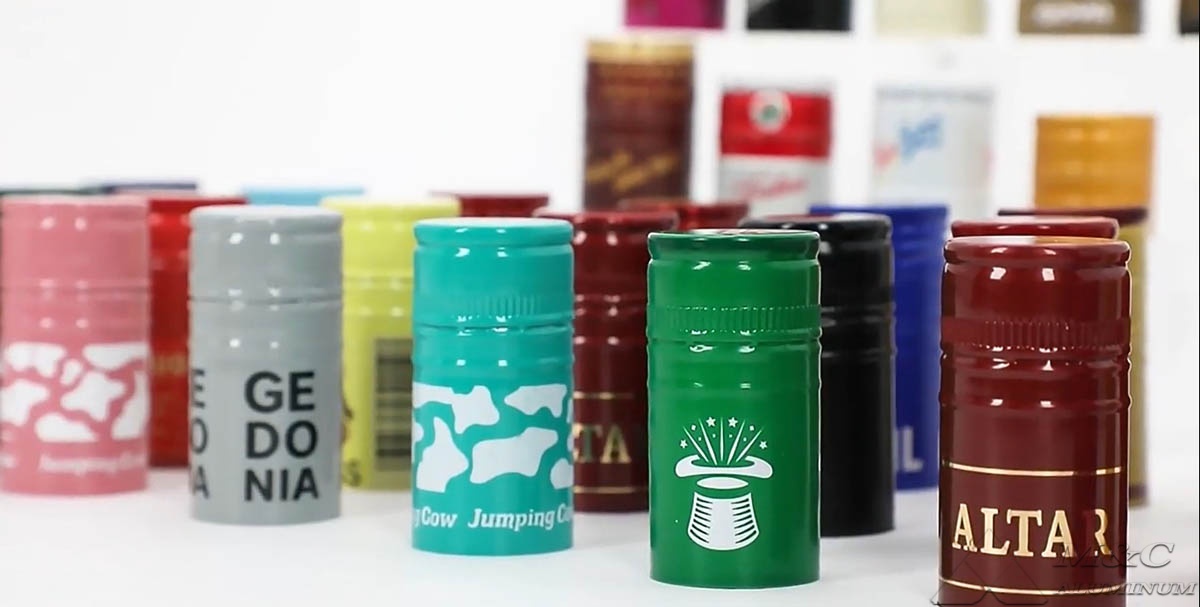
For roll-on pilfer-proof caps, commonly known as ROPP closures, the material is typically blanked into discs and subsequently formed around the bottle finish. During this process, the aluminum sheet is subjected to localized deformation. A stable 0.2 mm aluminum sheet helps control metal flow, reducing the risk of edge cracking, wrinkling, surface scratching, and inconsistent thread definition.
In addition to mechanical behavior, thin-gauge bottle cap aluminum must maintain accurate thickness throughout the coil. Uniform gauge supports stable press settings and reduces variation between caps. This is particularly important for high-speed cap lines producing large volumes of closures in a short production cycle.
Suitable Aluminum Alloys for Closure Sheet
We manufacture aluminum closure sheet primarily in 3105 and 8011 alloys. The appropriate alloy depends on the cap structure, drawing depth, decorative process, required rigidity, and customer production conditions.
3105 aluminum sheet is an aluminum-manganese alloy with moderate strength and good formability. It is frequently selected for screw caps, wine bottle closures, spirits caps, and printed aluminum closures. Its balanced properties support controlled deformation during cap shell forming while providing sufficient strength for the finished closure.
8011 aluminum sheet is commonly used where good processing performance, corrosion resistance, and surface quality are required. It is suitable for a range of bottle cap materials, including beverage closures, pharmaceutical seals, and general packaging components. For specific forming conditions, alloy selection should be confirmed according to tooling design, cap diameter, skirt height, and coating system.
| Parameter | 3105 Aluminum Closure Sheet | 8011 Aluminum Closure Sheet |
|---|---|---|
| Typical application | ROPP caps, wine caps, spirits closures | Beverage caps, pharmaceutical caps, packaging closures |
| Main alloying elements | Manganese, magnesium | Iron, silicon |
| Typical thickness | 0.18 to 0.25 mm | 0.18 to 0.25 mm |
| Standard bottle cap thickness | 0.20 mm | 0.20 mm |
| Typical temper | H14, H16, H18, customized | H14, H16, H18, customized |
| Surface condition | Smooth, oil-free, mill finish or coated | Smooth, oil-free, mill finish or coated |
| Formability | Good for drawing and threading | Good for forming and closure processing |
| Coil inner diameter | 505 mm or 508 mm | 505 mm or 508 mm |
| Coil weight | According to customer equipment requirements | According to customer equipment requirements |
The figures above are typical production ranges. Final specifications are determined according to the end-use closure design and the processing route of the cap manufacturer.
Smooth Surface Requirements for Bottle Cap Material
Surface quality has a direct influence on the appearance and productivity of finished aluminum caps. A smooth aluminum closure sheet provides a stable base for coating and printing. It also helps prevent visible defects after decoration, particularly for caps with solid colors, metallic finishes, fine graphics, or high-gloss varnish.
Our production controls focus on minimizing surface defects that may interfere with cap conversion or visual appearance. These include roll marks, scratches, dents, slivers, embedded particles, oxide streaks, and local contamination. We inspect coils throughout the rolling and finishing stages to maintain a consistent surface condition.
For printed closures, surface uniformity is especially important because irregularities can become more visible after base coating and lithographic printing. A stable substrate helps coating systems spread evenly and supports predictable ink adhesion. This is relevant for premium wine closures, branded beverage caps, cosmetic caps, and pharmaceutical packaging where the external appearance is part of the product specification.
Oil-Free Surface Control and Its Importance
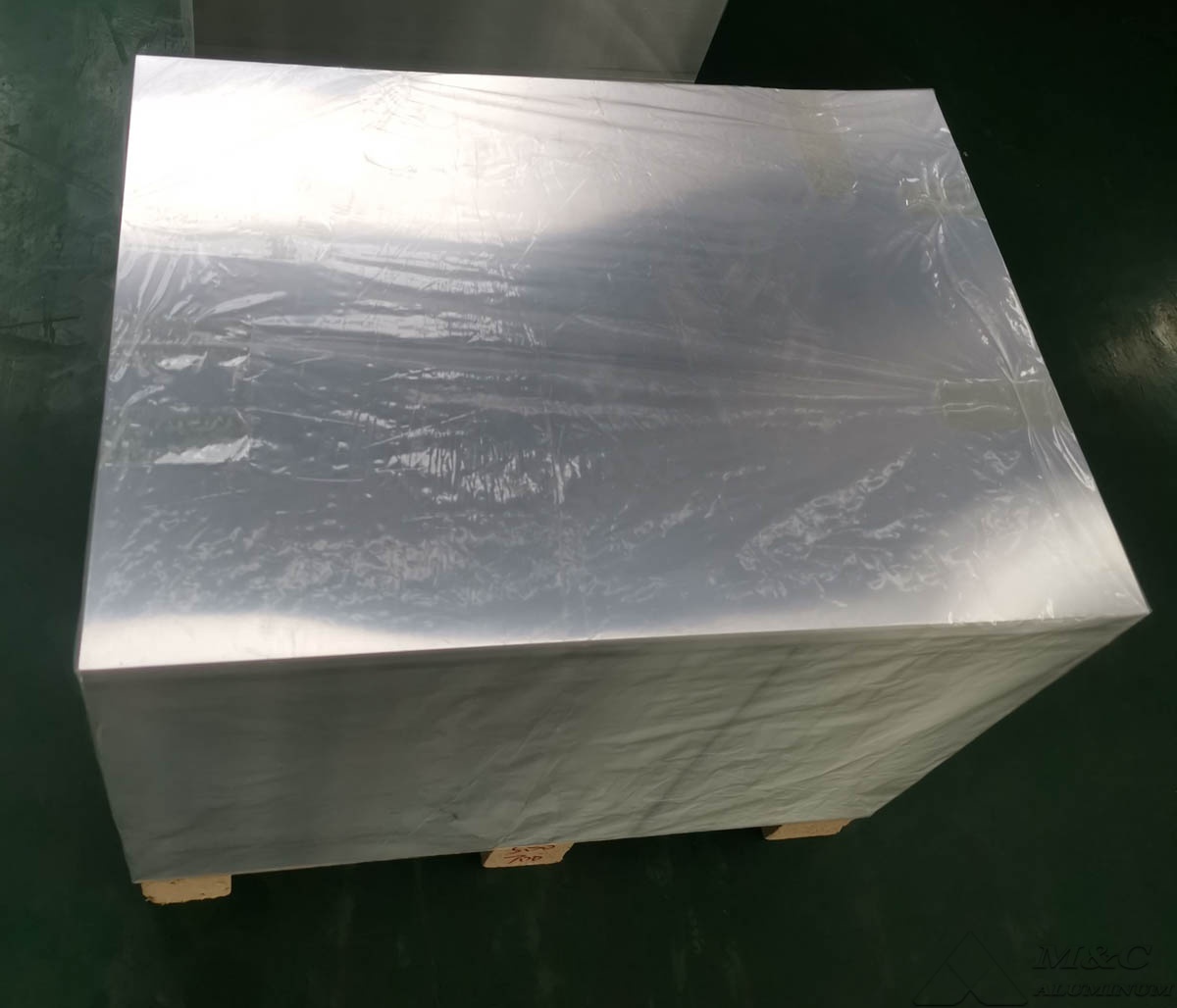
The term oil-free aluminum sheet refers to aluminum closure material with very low residual rolling oil and no visible oil contamination on the surface. In bottle cap applications, this condition is important because residual oil can affect downstream coating, printing, drying, and adhesion performance.
During cold rolling, lubricants are necessary to protect the strip and achieve the required thin gauge. However, the finished bottle cap aluminum sheet must undergo controlled cleaning and thermal treatment to reduce residual oil to a level appropriate for coating and conversion. Our process combines rolling oil management, degreasing control, annealing, and final inspection to produce a clean surface condition.
A properly controlled oil-free surface offers several manufacturing benefits:
Improved adhesion of epoxy, polyester, acrylic, and other coating systems.
More uniform wetting during primer and basecoat application.
Lower risk of coating fish-eyes, pinholes, and local adhesion failures.
Cleaner operation during blanking and cap forming.
Better compatibility with food-contact lacquer systems when the complete closure system is properly specified.
Reduced risk of transferring oil to printing blankets, tooling, or production equipment.
It is important to distinguish oil-free appearance from uncontrolled over-cleaning. Aluminum closure sheet must be clean, but it must also retain a surface condition compatible with the selected lacquer, printing ink, and curing process. We therefore match surface treatment parameters to the intended conversion route rather than relying on a single cleaning target for all applications.
Manufacturing Process for 0.2 mm Aluminum Closure Sheet
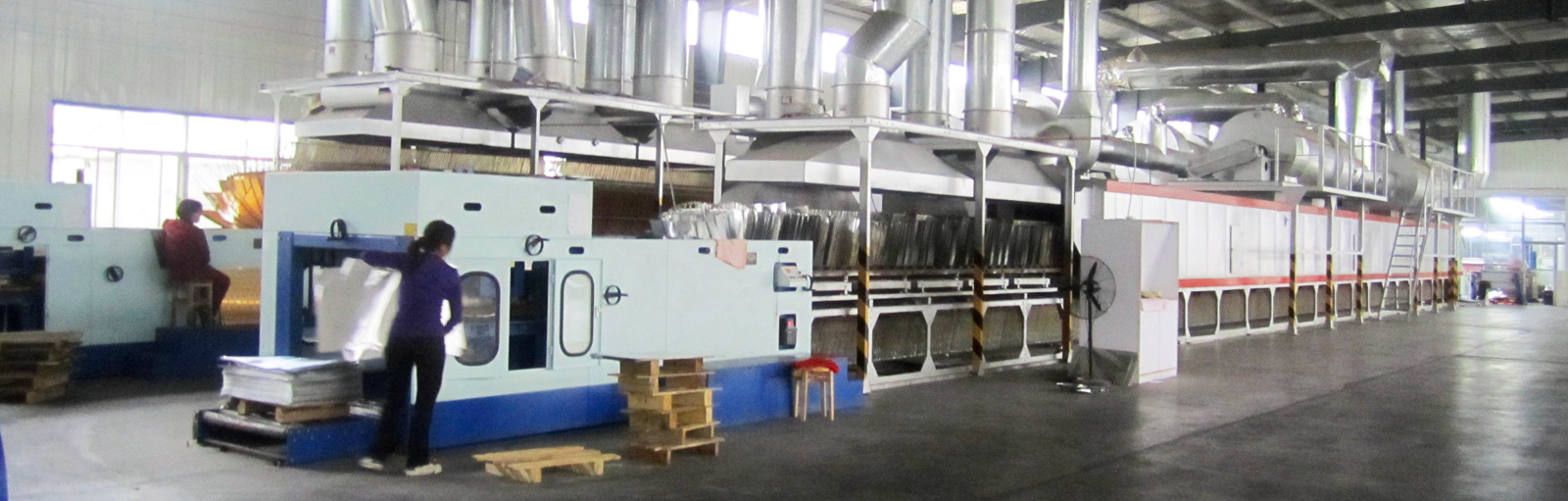
Producing smooth, oil-free aluminum sheet at 0.2 mm requires process control from casting through final slitting. We begin with qualified aluminum ingot and internal composition control. After melting, refining, and casting, the slab is homogenized to improve metallurgical uniformity before hot rolling.
The hot-rolled coil is then cold rolled in multiple passes to approach the required final gauge. Thickness control is continuously monitored because bottle cap material requires narrow gauge variation across the strip width and along the coil length. The rolling schedule is selected to support both thickness precision and a suitable grain structure for forming.
After cold rolling, annealing is used to adjust temper, relieve internal stress, and reduce residual rolling oil. Annealing parameters are controlled according to alloy, final temper, sheet thickness, and forming requirements. The coil is then trimmed and slit to the required width. Final inspection includes thickness, width, flatness, surface appearance, mechanical properties, coil geometry, and cleanliness checks.
| Production stage | Main control objective | Effect on bottle cap production |
|---|---|---|
| Melting and casting | Stable alloy chemistry and clean melt | Consistent material properties |
| Homogenization | Improved microstructural uniformity | Stable rolling and forming behavior |
| Hot rolling | Controlled initial gauge reduction | Reliable substrate quality |
| Cold rolling | Accurate 0.2 mm thickness and smooth surface | Stable blanking and cap forming |
| Annealing | Temper adjustment and oil removal | Improved ductility and coating compatibility |
| Slitting | Clean edges and accurate coil width | Reduced edge defects and setup losses |
| Final inspection | Verification of surface and dimensional quality | Consistent performance in cap lines |
Formability and Temper Selection
The required temper for aluminum bottle cap material depends on the cap design and forming severity. Softer tempers provide greater ductility for deeper drawing operations, while harder tempers offer increased stiffness and may be preferred for certain closure geometries. The optimum condition is determined by the relationship between alloy, thickness, blank diameter, skirt height, threading process, and tooling design.
For 0.2 mm aluminum closure sheet, our manufacturing team evaluates the intended application before confirming a temper. For example, a tall wine closure with detailed thread formation may require a different balance of strength and elongation than a short beverage cap. Mechanical properties should therefore be evaluated together with actual conversion trials rather than by hardness values alone.
Flatness also affects forming productivity. Coils with excessive edge wave, center buckle, or coil set may lead to unstable feeding and blanking variation. We control rolling tension, annealing conditions, and final coil winding to support stable downstream processing.
Coating, Printing, and Food-Contact Considerations
Most aluminum bottle caps receive protective and decorative layers after conversion or before cap forming, depending on the production method. The aluminum substrate must support consistent application of internal lacquer, external basecoat, color layers, printing inks, and top varnish.
The internal coating protects the aluminum from product contact and supports the performance of the complete closure system. Coating selection is the responsibility of the closure manufacturer and should be based on the filling product, sterilization conditions, storage environment, and applicable regulatory requirements. Our role as the aluminum sheet manufacturer is to provide a clean, uniform substrate that supports stable coating performance.
For decorative caps, smooth surface quality is equally important. Printed aluminum closure sheet can be used for branded wine caps, spirits closures, soft drink caps, and specialty packaging. Consistent surface energy and low residual oil contribute to more uniform coating coverage and sharper printed graphics.
Quality Verification Before Delivery
Each batch of bottle cap aluminum coil is verified against the agreed specification before shipment. Our inspection program is designed to identify issues that could affect cap conversion efficiency or finished closure appearance. Depending on the order requirements, quality verification may include:
Alloy composition confirmation.
Thickness measurement across strip width.
Width and edge condition inspection.
Temper and mechanical property testing.
Surface appearance inspection under controlled lighting.
Flatness and coil shape evaluation.
Residual oil and cleanliness assessment.
Coil weight, winding quality, and packaging inspection.
We also maintain production traceability from raw material through finished coil. This supports consistent quality management and enables technical review when customers require application-specific optimization.
Conclusion
A 0.2 mm thick smooth, oil-free aluminum sheet is a precision material for bottle cap manufacturing, not simply a thin aluminum product. Its value depends on controlled alloy composition, accurate gauge, suitable temper, clean surface condition, stable flatness, and reliable compatibility with coating and forming operations.
As an aluminum closure sheet manufacturer, we produce 3105 aluminum sheet and 8011 aluminum sheet for bottle cap applications with specifications adapted to cap type and processing requirements. By controlling the full manufacturing route from casting and rolling to annealing, slitting, and inspection, we provide aluminum bottle cap material designed to support efficient conversion and consistent finished closure quality.


Applications
Related Articles
- 8011 Printed Aluminum Closure Sheets for Bottle Cap Manufacturing
- Aluminum Anti-Theft Cap Raw Material Manufacturer
- 3105 H14 Aluminum Sheet for Vodka Bottle Caps
- 8011 3105 Epoxy Coated aluminum closure for cap
- AA8011 aluminum sheet for deep drawing caps
- 8011 H16 H14 aluminum strip suitable for vial closure
-
Advisory Message
Alloy Grade Thickness, Application, etc.
-
Quick Reply
Quick reply within 30 minutes
-
Getting Information
One-to-one design and customized production plan