- Address:Zhengzhou, Henan, China
- Mon-Fri (8am - 6pm)
- sales@alummc.com

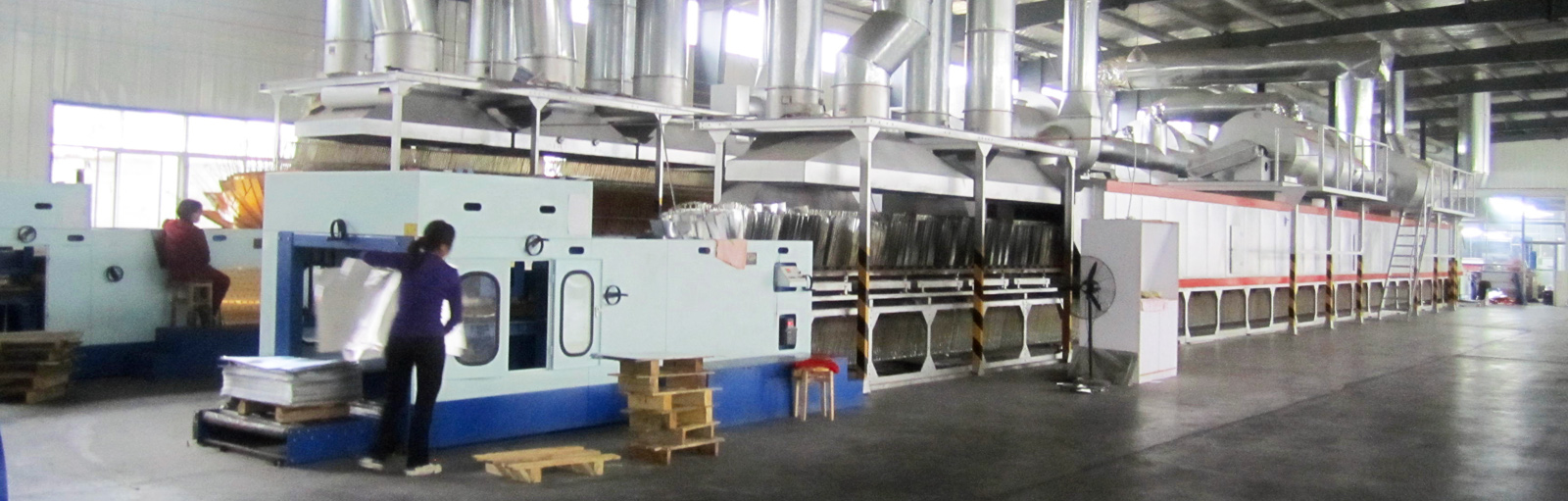
0.5 mm 8011 H14 Aluminum Sheet for Bottle Caps, Non-Toxic
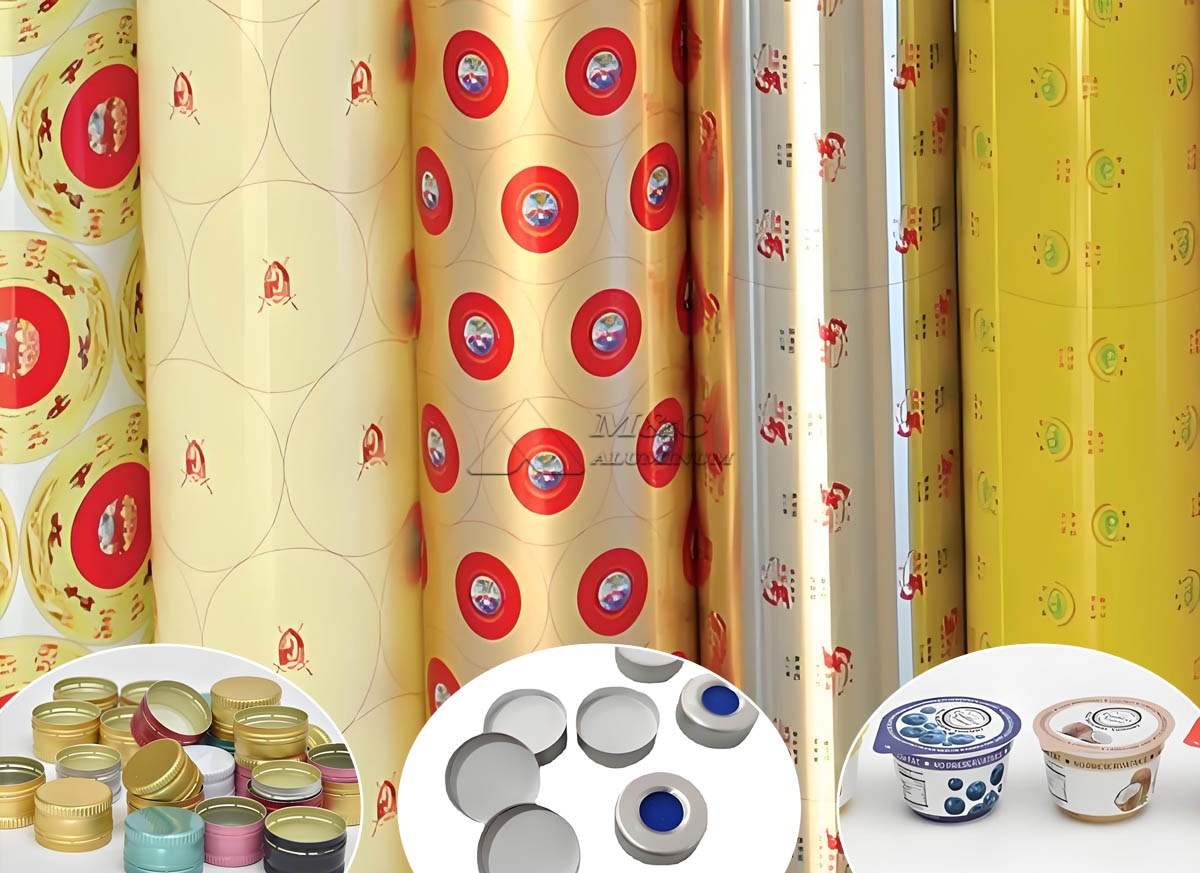
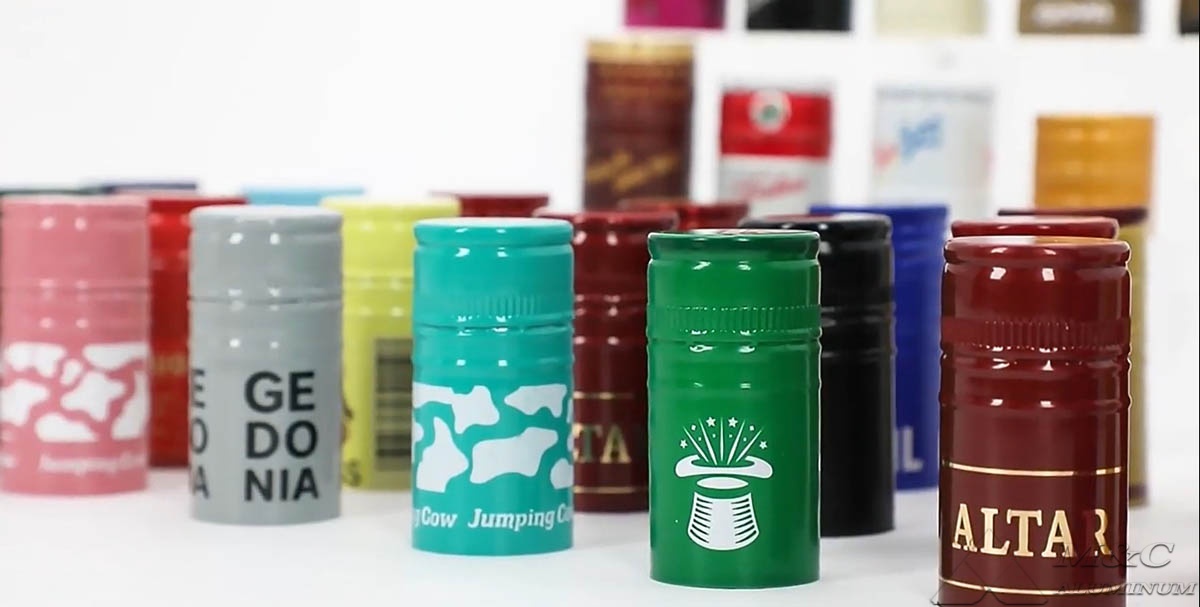
As a manufacturer of aluminum closure materials, we produce 0.5 mm 8011 H14 aluminum sheet for bottle caps requiring reliable deep drawing, controlled strength, clean surface quality, and consistent coil performance. This material is widely used for screw caps, ROPP closures, pilfer-proof caps, cosmetic caps, pharmaceutical outer closures, and selected food and beverage packaging applications.
8011 H14 aluminum closure sheet combines the processing advantages of the 8xxx aluminum alloy family with a half-hard temper suitable for cap shell production. At a thickness of 0.5 mm, the sheet provides sufficient rigidity for handling and shaping while retaining the ductility required for stamping, drawing, knurling, threading, and curl forming. Our manufacturing process focuses on composition control, rolling flatness, gauge consistency, surface cleanliness, and mechanical-property stability from coil to coil.
Why 8011 H14 Is Used for Bottle Cap Production
8011 is an aluminum alloy containing iron and silicon as its main alloying elements. It is commonly selected for closure stock because it offers a balanced combination of formability, strength, corrosion resistance, and surface finish. Compared with harder tempers, H14 material reduces the risk of cracking during multi-stage cap forming. Compared with softer material, it delivers improved dimensional stability after shaping.
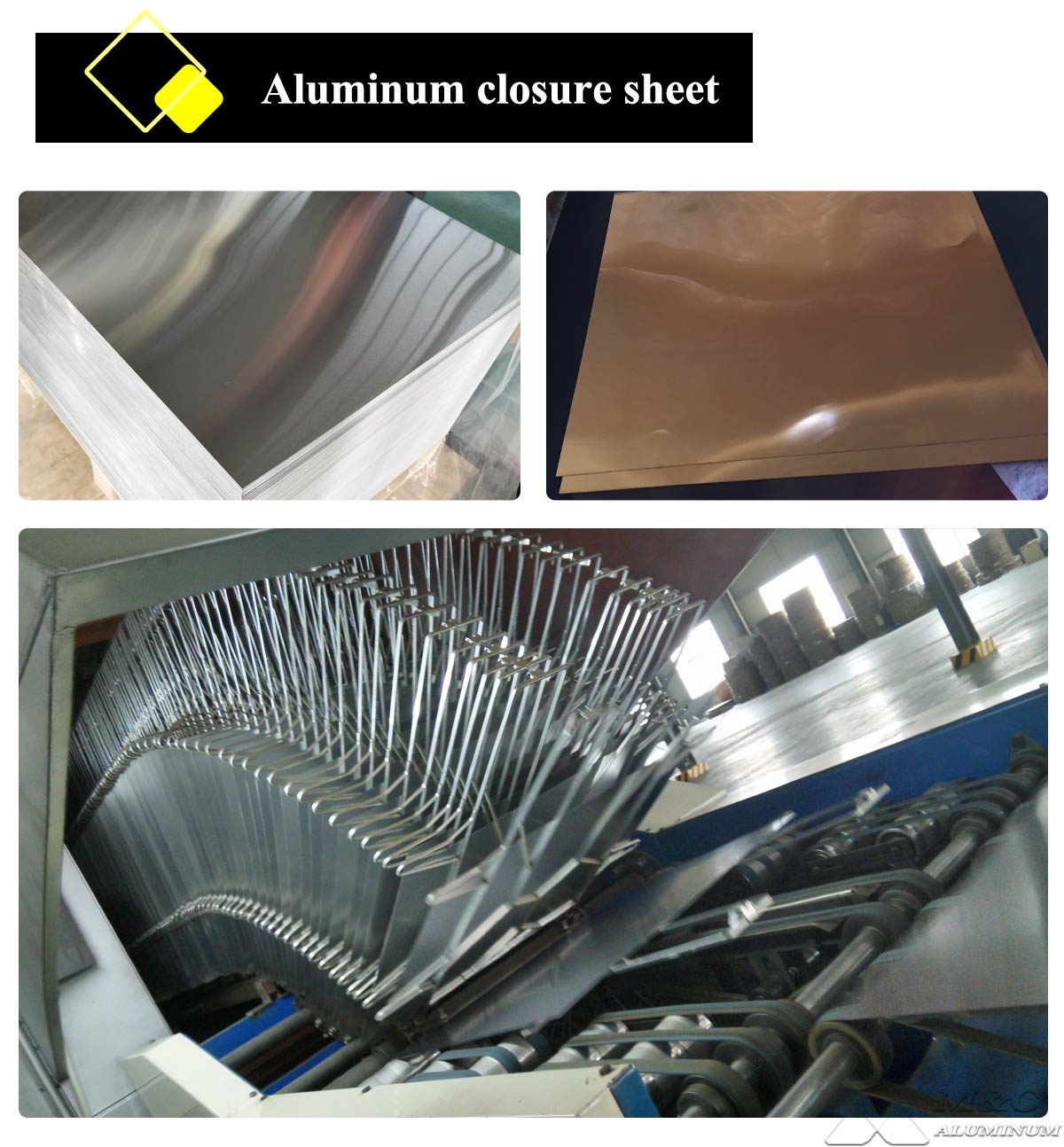
For a 0.5 mm 8011 H14 aluminum sheet, the H14 temper is particularly suitable where the cap design requires more body strength, a defined thread profile, or resistance to deformation during filling, capping, transport, and consumer handling. It can be supplied as plain mill finish aluminum sheet or as aluminum closure coil prepared for subsequent coating, printing, embossing, and lubricating operations.
In our production, the alloy and temper are controlled not only to meet nominal specifications, but also to support stable behavior on high-speed cap-making lines. The practical performance of bottle cap aluminum sheet depends on uniform properties across the width and throughout the coil length. Variations in thickness, hardness, or surface condition may affect draw depth, ear formation, decoration quality, and closure torque performance. Therefore, our process control is designed around the requirements of downstream closure conversion.
Key advantages of 8011 H14 aluminum sheet for bottle cap production
1. Good formability: Features moderate strength and good plasticity, making it suitable for stamping, embossing, and bottle cap forming processes.
2. Excellent corrosion resistance: Resists corrosion in common environments, helping to extend the service life of the bottle caps.
3. Good sealing performance: Suitable for manufacturing various types of aluminum bottle caps and meets sealing design requirements for different bottle openings.
4. Superior surface quality: Features a flat surface and uniform thickness, making it ideal for subsequent processing such as coating and printing.
5. High processing efficiency: Stable material properties facilitate continuous stamping production, reducing processing defects and material waste.
6. Lightweight and eco-friendly: Aluminum is lightweight and recyclable, helping to reduce packaging weight and meet green packaging requirements.
Typical Technical Parameters
The following table shows typical parameters for our 0.5 mm 8011 H14 aluminum sheet for bottle caps. Final values can be adjusted according to cap geometry, tooling conditions, coating requirements, and applicable customer specifications.
| Item | Typical Specification |
|---|---|
| Alloy | AA 8011 |
| Temper | H14 |
| Nominal thickness | 0.50 mm |
| Thickness tolerance | Typically controlled according to agreed standard and order requirement |
| Width range | 200 mm to 1,600 mm, subject to equipment capability |
| Supply form | Coil, slit coil, sheet, or cut-to-length blank |
| Inner coil diameter | 505 mm or 610 mm, customizable by agreement |
| Coil outer diameter | According to coil weight and customer handling equipment |
| Coil weight | Typically 2 to 8 metric tons for master coils, or customized slit-coil weight |
| Tensile strength | Typically 125 to 165 MPa |
| Yield strength | Typically 90 to 145 MPa |
| Elongation | Typically 2% to 8%, depending on test direction and specification |
| Surface finish | Mill finish, clean, smooth, free from harmful defects |
| Flatness | Controlled for stable feeding and cap blanking |
| Edge condition | Mill edge, slit edge, deburred where required |
| Oil status | Dry or lightly oiled according to conversion process |
| Applicable standards | EN, ASTM, or customer-specific technical requirements |
Mechanical properties are provided as typical references rather than universal fixed limits. Actual results depend on coil width, final gauge, rolling reduction, annealing route where applicable, and the agreed inspection standard.
Manufacturing Process for 8011 Aluminum Closure Sheet
Our manufacturing route begins with controlled alloy preparation. We use aluminum melt treatment and composition analysis to maintain stable 8011 chemistry. The molten metal is refined, filtered, cast into slabs, homogenized, and processed through hot rolling and cold rolling stages. Each stage contributes to the final formability and surface characteristics of the bottle cap aluminum sheet.
During hot rolling, we establish the initial thickness reduction and metallurgical structure. Cold rolling then brings the material to the required final gauge, including 0.5 mm. Rolling schedules are selected to maintain uniform thickness profile across the strip width and to achieve the H14 temper range required for closure applications. Our quality team monitors gauge, flatness, coil shape, surface condition, and mechanical properties throughout production.
For closure material, surface control is especially important. A cap shell may later receive base coating, color coating, printing ink, varnish, and lubricants. The aluminum surface must support consistent coating adhesion and decoration quality. We control rolling oil residue, surface cleanliness, scratches, roller marks, edge cracks, and other defects that could affect printing or cap forming.
Non-Toxic Material Control and Packaging Safety
The term non-toxic aluminum sheet should be understood in the context of material selection and the complete packaging system. Aluminum 8011 is a recognized material for packaging applications because the metal substrate does not introduce toxic substances under normal intended use. However, the final suitability of a bottle cap depends on the full closure structure, including coatings, inks, liners, sealing compounds, lubricants, and the product being packed.
As an aluminum sheet manufacturer, we control the metal substrate and provide material documentation according to agreed requirements. For food, beverage, pharmaceutical, or cosmetic closure projects, we can coordinate production requirements related to surface cleanliness, restricted-substance control, and traceability. Where a closure is intended for direct or indirect contact with a packaged product, compliance verification should consider the finished cap system and the destination market regulations.
Our 8011 H14 aluminum closure sheet is produced without intentional use of hazardous heavy-metal additives in the aluminum alloy. For specific regulatory programs, customers should define the required standard, such as applicable food-contact regulations, RoHS-related restrictions, REACH-related declarations, or customer-specific restricted substance lists. This approach ensures that substrate selection, coating chemistry, liner materials, and final-cap testing are evaluated as one controlled package.
Forming Performance in Bottle Cap Manufacturing
A 0.5 mm aluminum sheet for bottle caps must perform reliably during several forming stages. Depending on the closure design, these can include blanking, cupping, deep drawing, trimming, threading, knurling, skirt curling, embossing, and application of tamper-evident features. Material inconsistency can create defects such as split skirts, uneven threads, excessive springback, wrinkling, or variable cap dimensions.
8011 H14 aluminum sheet supports efficient conversion because its strength and elongation are balanced for common closure geometries. For larger caps or applications requiring higher shell rigidity, 0.5 mm material can be advantageous over thinner gauges. It may also be selected for premium beverage closures, certain oil bottle caps, cosmetic containers, and industrial packaging closures where durability and appearance are important.
The following features are evaluated in our internal and customer-oriented quality control process:
Thickness uniformity for consistent blank weight and forming behavior.
Tensile properties appropriate for drawing and thread formation.
Fine, uniform surface suitable for coating and lithographic printing.
Low edge burr and stable slit width for efficient feeding.
Controlled coil shape to reduce issues during decoiling and blanking.
Clean surface condition to support coating adhesion.
Traceable coil identification from production through dispatch.
Surface Options for Aluminum Closure Applications
We can supply 8011 aluminum closure sheet in mill finish for customers that operate their own coating and printing lines. For projects requiring further processing, the material may also be prepared for coated closure stock through qualified downstream processes. Typical decorative and functional treatments include base coating, colored coating, clear varnish, printing, embossing, and protective topcoat systems.
For bottle caps exposed to moisture, acidic beverages, oils, or alcoholic products, the internal lacquer and liner selection are critical. The aluminum sheet provides the structural shell, while the final barrier and contact performance depend on the applied coating and sealing components. We therefore recommend defining the intended filling product, storage condition, sterilization process, closure torque, and shelf-life target before finalizing the closure material specification.
Quality Inspection and Traceability
We apply inspection procedures throughout production rather than relying only on final inspection. Incoming raw materials, melt chemistry, cast slabs, rolling parameters, finished coils, and packaging conditions are all managed under documented controls. Typical finished-product checks include thickness measurement, width verification, surface inspection, mechanical-property testing, coil shape evaluation, and packaging confirmation.
Each coil can be identified with production information such as alloy, temper, dimensions, coil number, net weight, and manufacturing batch. This traceability supports efficient material management for cap manufacturers and helps maintain consistency during repeat production.
Before shipment, coils are protected with interleaving or suitable wrapping as required, then packed with moisture-resistant materials and secured on pallets or export-worthy supports. Proper packaging is necessary because closure stock must reach the conversion line with a clean, undamaged surface.
Selecting the Right 0.5 mm 8011 H14 Specification
The correct bottle cap aluminum sheet specification should be based on the actual closure design rather than thickness alone. Important inputs include cap diameter, shell height, thread profile, drawing ratio, decoration process, forming speed, product category, and packing environment. A cap manufacturer may require different width tolerances, hardness ranges, coil weights, or surface conditions for different production lines.
As a manufacturer, we work from these practical conversion requirements to define the appropriate 8011 H14 aluminum coil or sheet. For standard ROPP closures, the balance of tensile strength, elongation, surface quality, and thickness consistency is more important than any single parameter. The purpose is to ensure that the material performs predictably through the entire cap-making process.
Conclusion
0.5 mm 8011 H14 aluminum sheet is a dependable material for bottle cap production where formability, shell strength, surface quality, and controlled material safety are required. Its balanced half-hard temper supports common closure forming operations while providing stable handling and dimensional performance.
Through controlled alloy preparation, precision rolling, surface management, mechanical testing, and traceable packing, we manufacture 8011 aluminum closure sheet for the technical demands of modern bottle cap production. For food, beverage, cosmetic, and pharmaceutical packaging projects, final non-toxic and compliance performance should always be assessed with the complete closure system, including coatings, inks, liners, and intended product-contact conditions.


Applications
Related Articles
- Medicinal aluminum caps for vials
- 8011 heat-sealed aluminum foil for easy-peel milk powder can lid
- Aluminum alloy plate for beverage bottle caps
- 3105 H14 / H16 Aluminum Closure Sheet for Screw Caps
- Best supplier of painted 3105 bottle cap aluminum sheet
- 3105 H14 / H16 Aluminum Sheet, Strip, and Foil for Screw Cap Production
-
Advisory Message
Alloy Grade Thickness, Application, etc.
-
Quick Reply
Quick reply within 30 minutes
-
Getting Information
One-to-one design and customized production plan