- Address:Zhengzhou, Henan, China
- Mon-Fri (8am - 6pm)
- sales@alummc.com

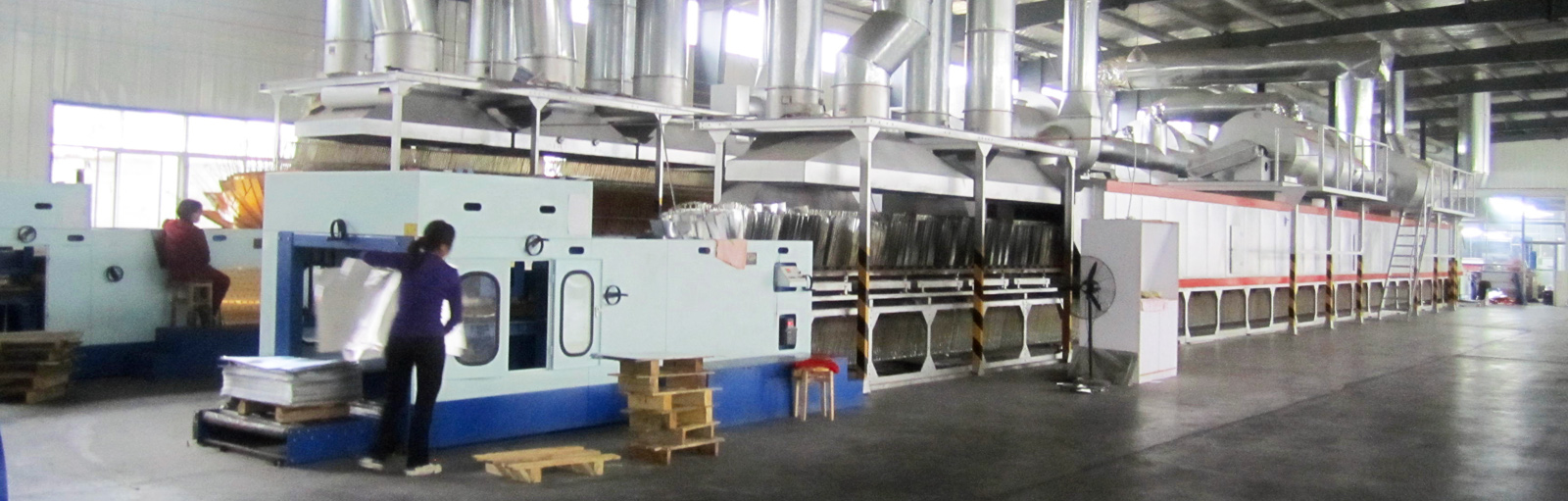
3105 H14 Aluminum Closure Sheet for Bottle Caps
As the guardian of the container, a bottle cap must meet multiple stringent performance requirements. First and foremost, it must ensure reliable sealing to prevent liquid leakage or gas loss. This is particularly critical for carbonated beverages, where the cap must withstand internal pressure generated by the contents.
In addition, bottle cap materials must exhibit excellent formability to accommodate high-speed automated manufacturing processes such as stamping and deep drawing, without cracking, tearing, or wrinkling during complex forming operations.
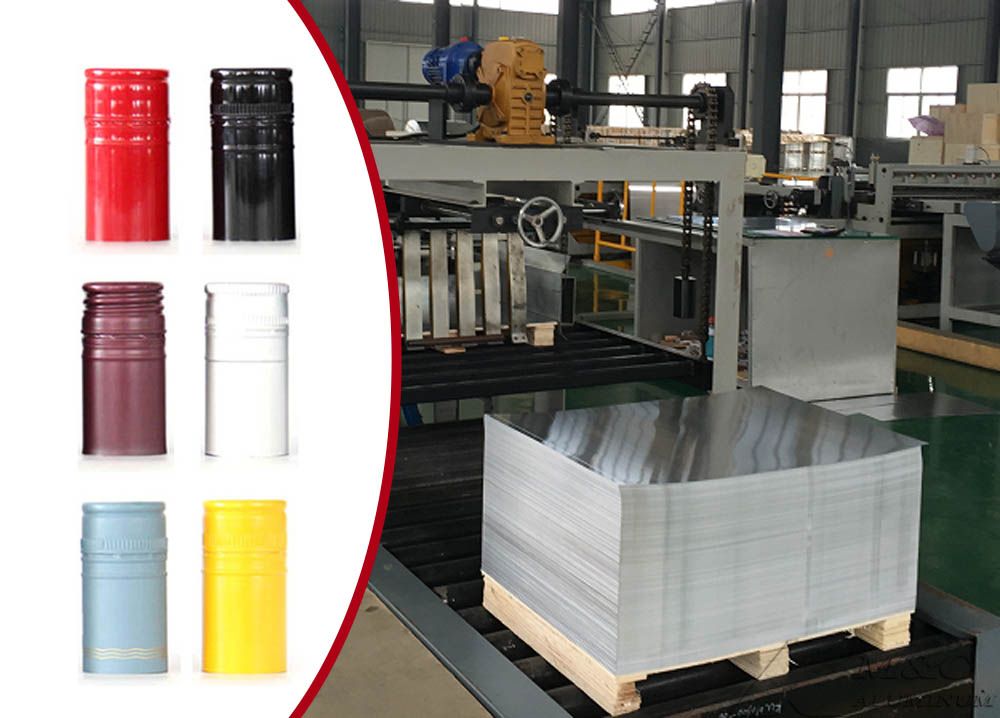
3105 H14 aluminum sheet, specifically designed for roll-on caps, screw caps, and pilfer-proof closures, meets the growing demand for stable, high-speed, and automated bottle cap production.
Understanding 3105 H14 Aluminum Alloy
3105 is a 3000 series aluminum alloy alloyed with manganese and magnesium. Compared with 3003 aluminum alloy, 3105 offers higher strength while retaining excellent plasticity and corrosion resistance, making it ideally suited to the complex forming requirements and long-term service conditions of bottle cap production.
From a compositional control perspective, 3105 aluminum alloy strictly limits impurity content to ensure material purity and food safety compliance. It meets relevant regulations for food-contact materials, preventing any negative impact on the quality of the packaged product.
H14 Temper Condition
The H14 temper represents a strain-hardened condition obtained through cold rolling followed by partial annealing, resulting in a half-hard state. This process preserves sufficient hardness to ensure structural stability after cap forming, while avoiding the insufficient ductility and cracking risks associated with fully hard tempers.
This balance between strength and ductility makes H14 temper particularly suitable for stamping, flanging, curling, and rolling processes in bottle cap manufacturing.
Compared with other tempers such as:O temper (fully annealed, very soft),H12 (softer than H14),H16 (harder than H14),
3105 H14 aluminum sheet is better aligned with large-scale bottle cap production requirements:
Moderate hardness reduces stamping die wear and lowers production costs
Adequate ductility minimizes defects such as wrinkles and cracks, improving yield rates
Excellent springback control ensures dimensional accuracy and tight bottle fit, guaranteeing sealing performance
Product Technical Parameters
| Alloy | 3105 |
| Temper | H16 |
| Thickness | 0.15 - 0.30 mm |
| Width | 100 - 1600 mm |
| Length | 100 - 6000 mm |
| Thickness Tolerance | ≤ ±0.01 mm |
| Width Tolerance | ≤ ±0.5 mm |
| Form | Sheet or coil |
| Surface Treatment | Printing, coating, embossing, etc. |
| Main Applications | ROPP caps, screw caps, beverage and wine bottle caps |
| MOQ | 1-3 tons |
Physical Properties
| Density | ~ 2.73 g/cm³ |
| Thermal Conductivity | ~ 192 W/m·K |
| Electrical Conductivity | ~ 40% IACS |
Mechanical Properties (Typical)
| Property | Value |
| Tensile Strength | 130 - 170 MPa |
| Yield Strength | ≥ 115 MPa |
| Elongation (A50) | ≥ 4% |
| Hardness | ~ 45 - 55 HB |
Core Advantages of 3105 H14 Aluminum Sheet for Bottle Caps
1. Excellent Formability for High-Speed Production
Bottle cap manufacturing relies heavily on stamping, drawing, and rolling processes. 3105 H14 aluminum closure sheet offers sufficient hardness to maintain shape while allowing smooth forming, reducing the risk of edge cracking, tearing, or deformation during mass production.
2. Reliable Sealing Performance
For screw caps, ROPP caps, and pilfer-proof closures, uniform material flow is essential. The controlled temper of 3105 H14 aluminum ensures precise thread formation and uniform skirt rolling, providing reliable sealing on both glass and PET bottles.
3. Excellent Decorative Performance
3105 H14 aluminum cap stock features high surface flatness and low roughness, free from obvious scratches or impurities. It supports various decorative processes such as coating, printing, hot stamping, and anodizing, enabling rich color options, brand logo printing, and enhanced visual appeal to support brand differentiation.
4. Corrosion Resistance
Thanks to manganese alloying, 3105 H14 aluminum forms a dense oxide film that effectively resists corrosion from water, alcohol, and carbonated media. This prevents oxidation, rusting, or impurity migration, protecting product purity and taste.
5. Lightweight and Cost-Effective
With a density of approximately 2.71 g/cm³, 3105 H14 aluminum cap stock can reduce cap weight by over 30% compared with stainless steel or steel materials. This lowers overall packaging weight and transportation costs while improving consumer handling and ease of opening.
Processing Flow of 3105 Aluminum Cap Stock
Raw material melting (strict control of alloy composition and impurity removal) → Casting and rolling (production of cast-rolled coils with uniform thickness) → Cold rolling (precise thickness control) → Partial annealing (achieving H14 temper and optimized mechanical properties) → Surface treatment (cleaning and passivation to improve flatness and coating adhesion) → Slitting (cutting into coils or sheets according to production requirements)
Surface Treatment Options
Mill finish aluminum strip
DOS oil-lubricated surface treatment
Chromate surface treatment
Single-side or double-side coating
Application Scenarios of 3105 Aluminum Closure Sheet
Alcoholic beverages: Caps for spirits, beer, wine, and rice wine
Food & beverage industry: Bottle caps for carbonated drinks, juices, tea beverages, dairy products, and canned foods
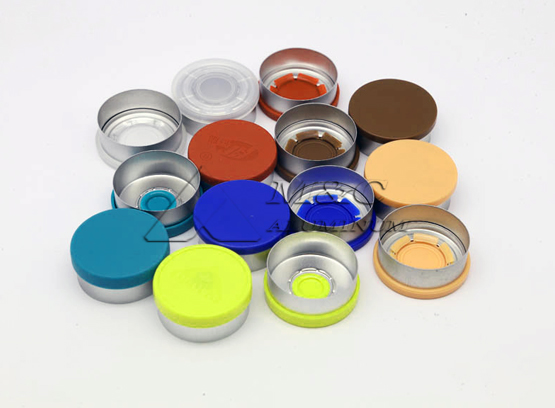
Pharmaceutical industry: Caps for oral liquids, infusion bottles, and health supplements
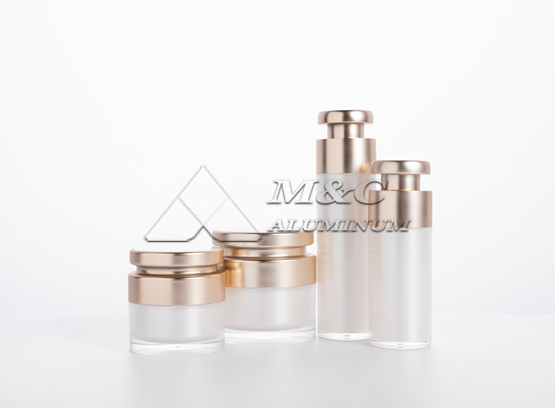
Personal care & household chemicals: Caps for shampoo, body wash, skincare products, disinfectants, and detergents
Comparison with Similar Materials
In the bottle cap material market, 3105 and 8011 are two commonly used aluminum alloys, each suited to different application requirements.
8011 aluminum alloy is also widely used for bottle caps and performs well in certain applications. However, 3105 aluminum offers higher strength, allowing it to better withstand internal gas pressure, giving it a clear advantage in pressure-bearing applications such as carbonated beverages.
From a processing perspective, both alloys meet basic bottle cap manufacturing requirements, but 3105 offers superior deep-drawing performance, making it more suitable for complex cap designs.
Additionally, 3105 aluminum provides higher electrical conductivity, reaching approximately 41% IACS, which may be a consideration in specific applications.
In practical selection, the optimal choice between 3105 and 8011 should be determined based on the specific application scenario, product characteristics, and cost considerations.


Applications

Related Articles
-
Advisory Message
Alloy Grade Thickness, Application, etc.
-
Quick Reply
Quick reply within 30 minutes
-
Getting Information
One-to-one design and customized production plan