- Address:Zhengzhou, Henan, China
- Mon-Fri (8am - 6pm)
- sales@alummc.com

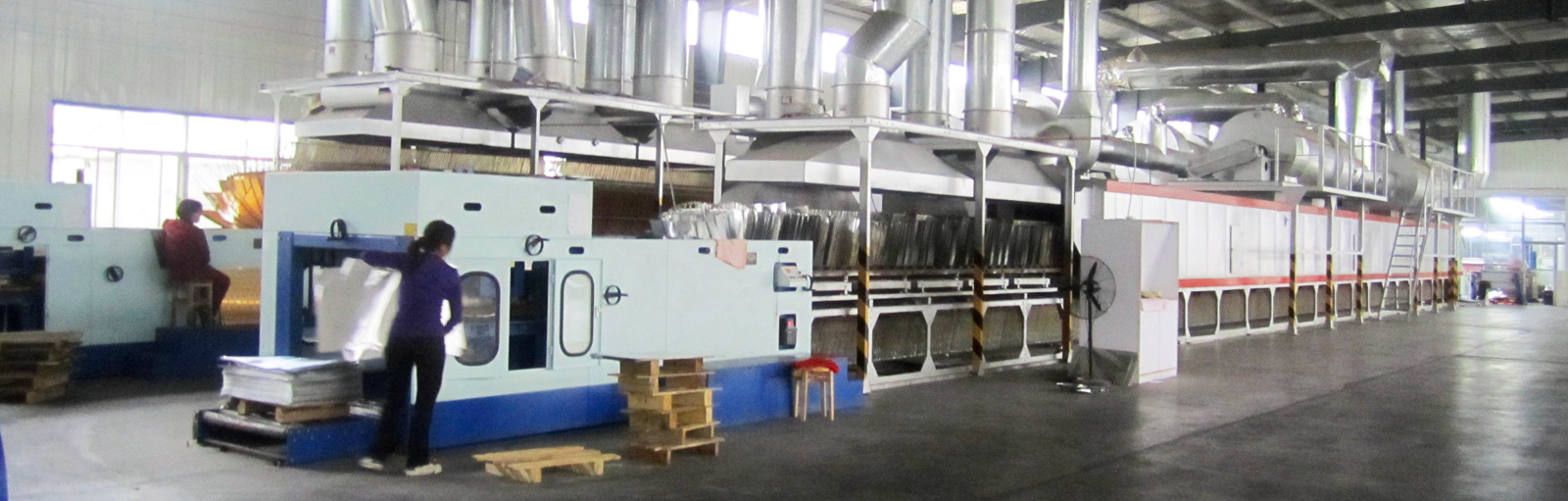
3105 H14 Coated Aluminum Sheet, Suitable for Food Cans
As a manufacturer of aluminum sheet for closures and packaging applications, we produce 3105 H14 coated aluminum sheet for food can components, can lids, easy-open ends, closure shells, and related formed packaging parts. The material combines the moderate strength of AA 3105 alloy with the stable workability of the H14 temper. When supplied with an appropriate food-contact coating system, it provides a practical substrate for food packaging applications requiring forming consistency, corrosion protection, and clean surface quality.
For food can production, material selection must consider more than nominal alloy composition. The aluminum sheet must maintain thickness uniformity, coating adhesion, surface cleanliness, lubrication compatibility, and stable mechanical behavior during blanking, drawing, curling, embossing, and seaming. Our production process is designed around these requirements, from alloy melting and hot rolling to cold rolling, coating, slitting, inspection, and export packing.
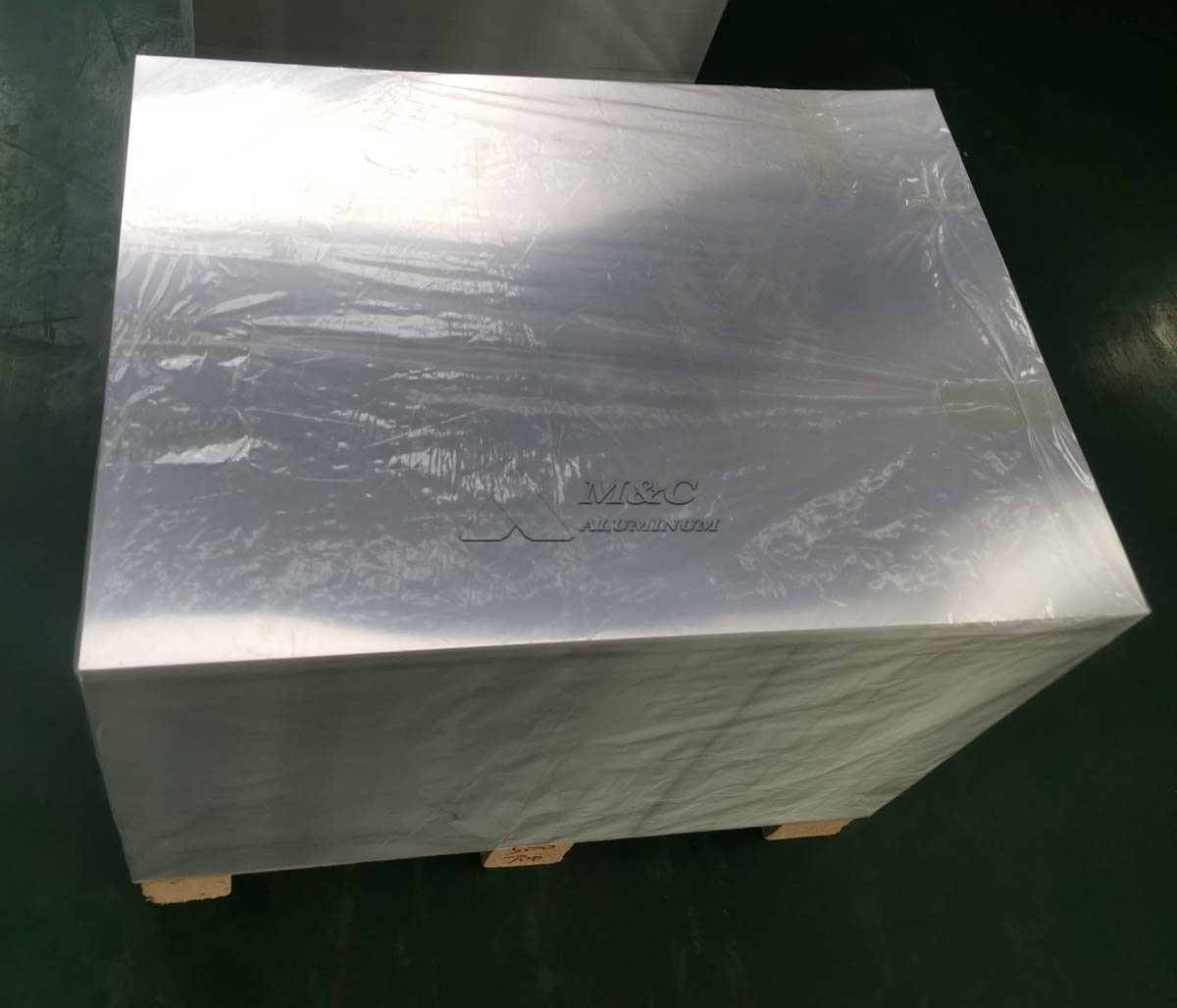
Why 3105 H14 Aluminum Is Used for Food Can Components
AA 3105 is an aluminum-manganese alloy containing a controlled magnesium addition. Compared with commercially pure aluminum, it offers improved strength while retaining the ductility needed for conventional forming operations. The H14 temper, generally corresponding to half-hard cold-worked condition, provides a balanced combination of shape retention and formability.
In food can applications, 3105 H14 coated aluminum sheet is particularly suitable where the material is processed into relatively shallow formed components. Typical examples include can lids, overcaps, closure shells, food container covers, dry-food can ends, and certain specialty packaging structures. It may also be used for decorative or protective outer shells where a coated aluminum surface is required.
The main advantages of 3105 H14 aluminum sheet include:
Good strength-to-weight ratio for lightweight packaging designs.
Stable response during blanking, stamping, and shallow drawing.
Good surface quality for coating, printing, and lacquer application.
Suitable corrosion resistance when combined with properly selected coatings.
Low density, helping reduce material weight in finished packaging.
Recyclability and compatibility with established aluminum recycling streams.
The final suitability of a food can aluminum sheet depends on the specific can geometry, food type, filling process, thermal treatment, coating system, and regulatory requirements of the destination market. For acidic, salty, oily, retorted, or otherwise aggressive food contents, the internal coating selection and validation are especially important.
Technical Parameters of 3105 H14 Coated Aluminum Sheet
We can manufacture 3105 H14 coated aluminum sheet to customer-defined dimensions and process conditions. The values below represent common supply ranges for food packaging and closure-related applications. Final specifications should be confirmed according to the forming process and coating requirement.
| Item | Typical Specification | Notes |
|---|---|---|
| Alloy | AA 3105 | Aluminum-manganese-magnesium alloy |
| Temper | H14 | Half-hard cold-worked temper |
| Thickness | 0.16 to 0.50 mm | Other thicknesses available by agreement |
| Width | 600 to 1,600 mm | Slit widths available for press feeding |
| Coil inner diameter | 505 mm or 610 mm | According to customer equipment |
| Coil outer diameter | Up to 1,850 mm | Subject to thickness and coil weight |
| Coil weight | 2 to 10 metric tons | Customized coil weights available |
| Tensile strength | 145 to 185 MPa | Typical range, subject to final gauge |
| Yield strength | 115 to 165 MPa | Typical range, subject to final gauge |
| Elongation | 4 to 12 percent | Depends on thickness and test direction |
| Surface finish | Mill finish, coated, lacquered, printed | Based on end-use requirements |
| Coating type | Epoxy, polyester, acrylic, BPA-NI or specified system | Selected for food-contact and processing conditions |
| Coating side | One-side or two-side coating | Internal and external functions may differ |
| Coating thickness | 3 to 12 microns per side | Determined by coating chemistry and application |
| Flatness | Controlled for stamping and feeding | Evaluated according to agreed standards |
| Edge condition | Mill edge or trimmed edge | Trimmed edge recommended for critical stamping |
Alloy Composition and Mechanical Stability
The performance of 3105 aluminum sheet begins with controlled chemistry. Manganese is the principal alloying element and contributes to strength through solid-solution and dispersion strengthening. Magnesium supports strength and assists in maintaining useful forming characteristics. Iron and silicon are controlled within the applicable alloy range to support rolling quality and surface consistency.
For can-making and closure production, a stable temper is essential. Excessively soft material may not retain formed geometry and can create difficulties in high-speed press operations. Excessively hard material can increase the risk of edge cracking, split flanges, or inconsistent curl formation. Our H14 rolling process is controlled to provide consistent mechanical properties across the coil length and width.
We monitor key factors including incoming slab quality, rolling reduction schedule, strip temperature, gauge profile, residual oil level, and final coil tension. These production controls help reduce variation that may affect die wear, blanking performance, coating quality, or finished part dimensions.
Coating Systems for Food Can Applications
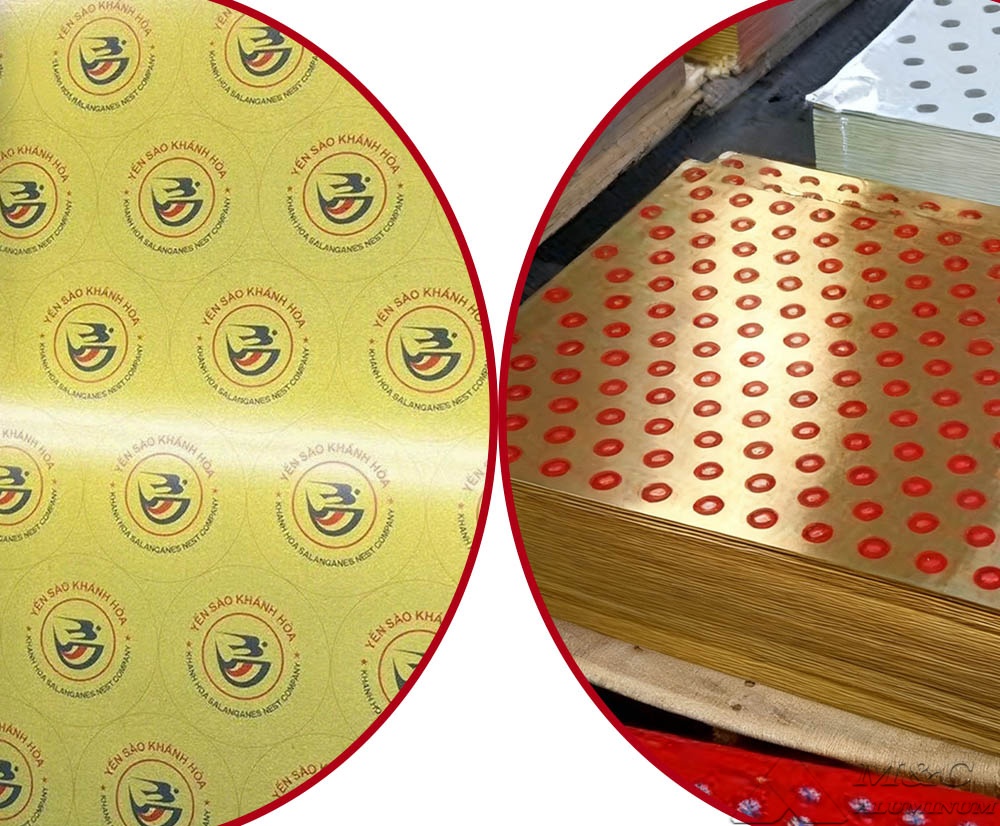
The coating applied to aluminum sheet is a functional layer, not only a decorative surface. In food packaging, the coating may isolate the aluminum substrate from the packed product, protect the external surface during handling, support printing, or improve resistance to humidity and processing media.
For 3105 H14 coated aluminum sheet, we can apply coating systems according to the intended application. Common options include epoxy-based, polyester, acrylic, and BPA-NI coating systems. The appropriate system depends on the food content, sterilization temperature, filling method, storage period, and contact conditions.
Internal coatings are typically selected for chemical resistance and food-contact suitability. External coatings may be selected for scratch resistance, printability, color appearance, or protection during transport. For certain can lids and closure applications, the coating must also withstand scoring, curling, rivet forming, or sealing operations without loss of adhesion.
Our coating process includes pretreatment, controlled coating application, thermal curing, and inspection. We verify coating weight or thickness, cure condition, adhesion, visual appearance, and continuity as required by the agreed specification. For critical food can applications, additional tests such as cross-hatch adhesion, solvent rub, flexibility, or porosity-related evaluation can be included.
Manufacturing Process From Aluminum Coil to Coated Sheet
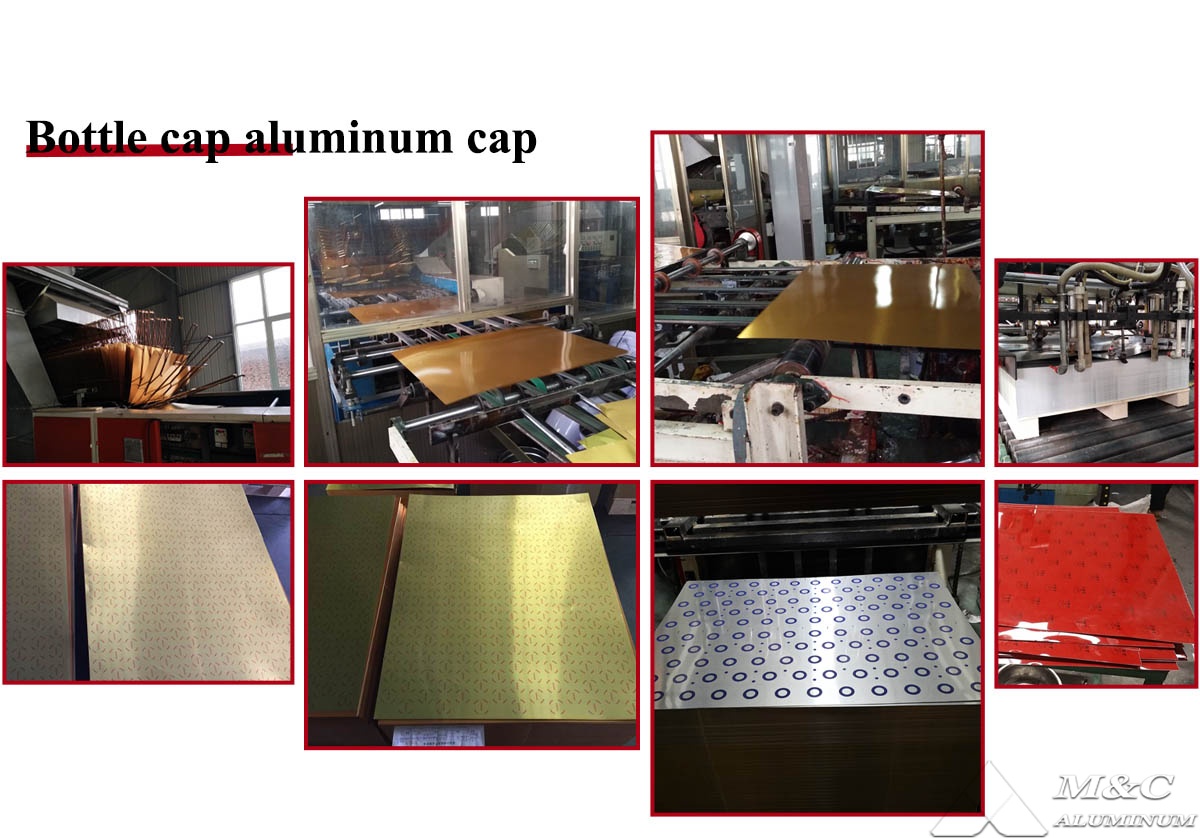
As a factory, we control the principal manufacturing stages rather than simply supplying finished stock. This enables us to align the aluminum substrate and coating process with the customer's forming and packaging requirements.
Our typical production route includes the following stages:
Alloy preparation and casting. Aluminum and alloying elements are melted and adjusted to meet the target AA 3105 chemical composition. The melt is refined and cast into rolling slabs.
Homogenization and hot rolling. Cast slabs are homogenized to improve structural uniformity and then hot rolled into intermediate coil. This stage establishes the basic metallurgical foundation for later cold rolling.
Cold rolling. The hot-rolled coil is reduced to the required final thickness. Gauge control, strip shape, and surface condition are monitored throughout the rolling process.
Temper control. The cold reduction route is adjusted to achieve H14 mechanical properties. Our objective is stable strength and elongation suitable for the specified stamping or forming operation.
Surface preparation. Before coating, the aluminum strip is cleaned and chemically pretreated. Proper pretreatment improves coating adhesion and helps support long-term corrosion resistance.
Coating and curing. Coatings are applied by controlled roll-coating methods and thermally cured. Coating parameters are managed to obtain uniform coverage and adequate cure response.
Slitting, inspection, and packing. Finished coils are slit to the required width, inspected, protected with suitable interleaving or wrapping materials, and packed for transport.
Forming Considerations for Food Can Production
The forming performance of coated aluminum for food cans depends on the relationship between material temper, tool design, lubrication, and coating flexibility. Although 3105 H14 provides useful stiffness, the forming process should be designed around the specified thickness and component geometry.
For blanking, sharp tooling and controlled clearance help produce clean edges. Burr control is important because excessive burrs may affect curling, seaming, or coating integrity. For shallow drawing and embossing, tool radii should be selected to avoid local strain concentration. Where the part includes a curl or flange, the coating must retain adhesion under bending and compression.
Lubricant compatibility should also be assessed. The lubricant used during stamping must not soften, stain, or interfere with the coating. After forming, cleaning or curing steps must be compatible with both the aluminum substrate and the food-contact coating system.
For applications involving retort processing, hot filling, or high-acid foods, customers should validate the complete package structure. This includes coating resistance, seam performance, migration compliance, and product-specific storage testing. Aluminum sheet quality is an important foundation, but final package performance should always be assessed at the finished can level.
Quality Control for Coated Aluminum Sheet
Our quality control system focuses on the characteristics that directly influence food can production. Incoming raw materials, in-process coils, and finished coated coils are inspected according to the agreed technical specification.
Typical inspection items include:
Chemical composition verification for AA 3105 alloy.
Thickness measurement across strip width and along coil length.
Width, edge quality, coil diameter, and coil weight checks.
Tensile strength, yield strength, and elongation testing.
Surface inspection for scratches, dents, oil marks, roll marks, and coating defects.
Coating thickness or coating weight measurement.
Coating adhesion, flexibility, cure response, and appearance assessment.
Flatness and strip shape inspection for stable press feeding.
Packing inspection to reduce moisture exposure and transit damage.
Traceability can be maintained by coil number, production batch, alloy designation, temper, dimensions, and inspection records. This is especially valuable for packaging converters operating controlled production systems.
Selecting the Right Specification
When specifying 3105 H14 coated aluminum sheet for food cans, the most useful starting point is the final forming requirement. We recommend defining the component type, thickness, width, coating side, coating chemistry, target coating weight, color or print requirement, and expected processing conditions.
For example, a lightly formed external cover may prioritize appearance and scratch resistance. A food-contact lid may require a specified internal coating with validated resistance to the packed product. A stamped closure shell may require tighter control of thickness, strip shape, and mechanical properties to support high-speed press operation.
As a manufacturer of aluminum closure sheet and coated packaging aluminum, we provide 3105 H14 material with production parameters matched to the intended use. By controlling alloy composition, rolling temper, surface preparation, coating application, and final inspection, we support stable processing performance for food can and food packaging manufacturers.


Applications
-
Advisory Message
Alloy Grade Thickness, Application, etc.
-
Quick Reply
Quick reply within 30 minutes
-
Getting Information
One-to-one design and customized production plan