- Address:Zhengzhou, Henan, China
- Mon-Fri (8am - 6pm)
- sales@alummc.com

8011 Aluminum Coil for ROPP Pilfer-Proof Caps - Low Earing, Food-Grade
As a manufacturer of bottle cap aluminum sheet and coil, we produce 8011 aluminum coil specifically for ROPP pilfer-proof cap applications. ROPP, or roll-on pilfer-proof, closures are widely used for wine, spirits, edible oil, pharmaceutical liquids, beverages, and other packaged products requiring reliable sealing and visible tamper evidence.
For closure manufacturers, aluminum coil quality directly affects blanking performance, deep drawing stability, skirt forming, thread rolling, printing, coating adhesion, and final cap appearance. Our 8011 aluminum coil is processed with controlled chemistry, rolling reduction, annealing, flatness management, and surface inspection to provide low earing performance and consistent conversion results.
Why 8011 Aluminum Coil Is Used for ROPP Caps
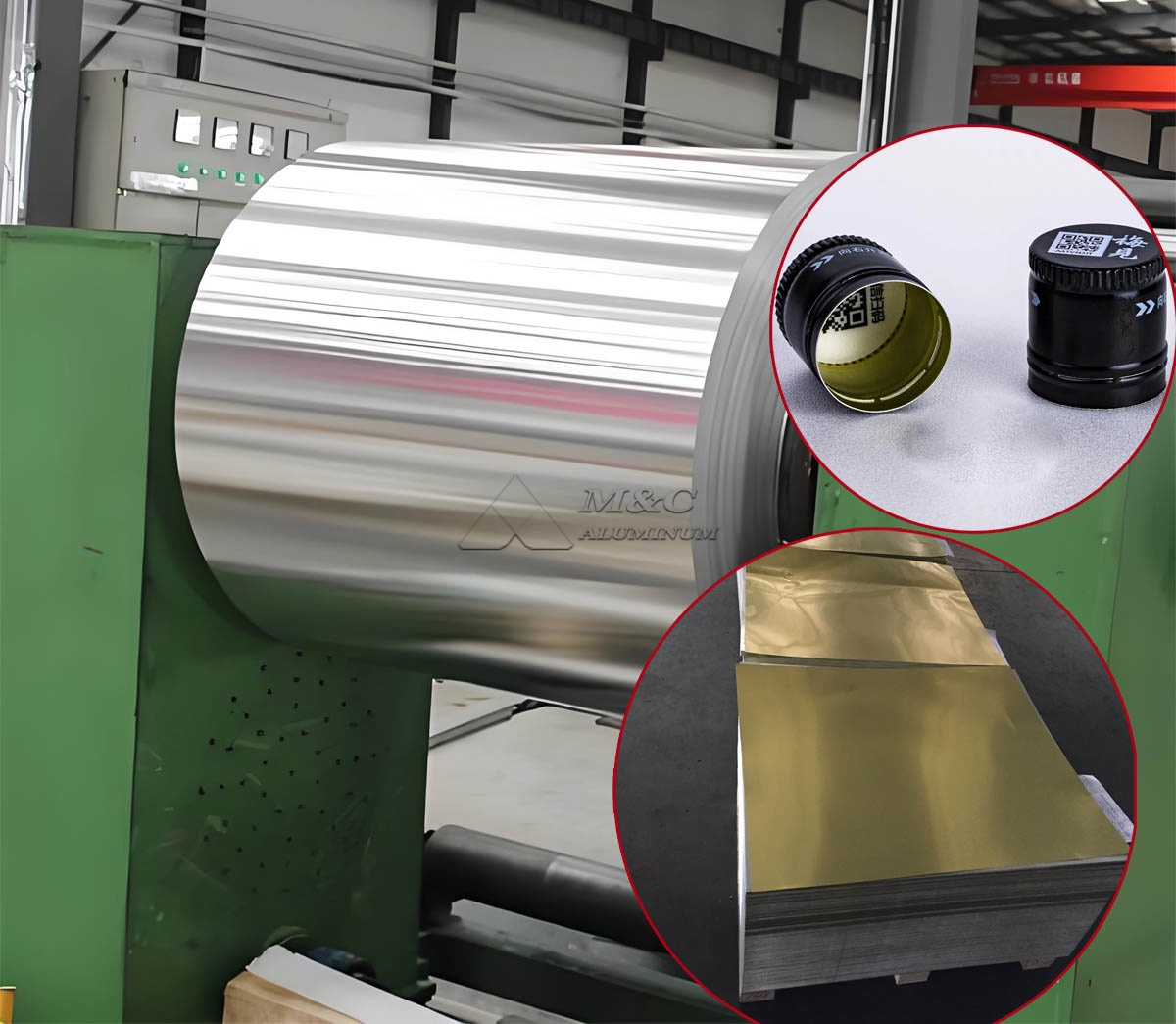
8011 aluminum alloy is a commonly selected material for aluminum closure sheet because it offers a practical balance of formability, strength, surface quality, and process stability. Compared with general-purpose aluminum sheet, 8011 aluminum coil for ROPP caps is produced with more stringent requirements for thickness tolerance, mechanical properties, oil control, edge condition, and coil shape.
During ROPP cap manufacturing, the aluminum strip is generally slit, lubricated when required, punched into blanks, deep drawn into shells, decorated, internally lacquered, and formed around the bottle finish during capping. The material must deform uniformly without excessive cracking, wrinkling, surface marking, or directional variation.
Our 8011 aluminum closure material is designed to support these forming stages. The alloy can be supplied in suitable tempers for different cap heights, diameters, skirt designs, and processing routes. For standard wine and spirits closures, the combination of controlled tensile strength and elongation helps manufacturers maintain stable drawing and thread formation.
Low Earing Performance for Efficient Cap Forming
Earing is the formation of uneven peaks around the edge of a drawn aluminum cup or shell. It is mainly associated with planar anisotropy in the rolled aluminum sheet. In ROPP cap production, excessive earing can increase trim loss, affect shell height consistency, create problems in subsequent processing, and reduce overall production efficiency.
Low earing aluminum coil is therefore an important requirement for pilfer-proof cap stock. We control earing through alloy composition management, rolling texture optimization, intermediate annealing, final gauge reduction, and final temper control. Our production team monitors these variables during each production stage to maintain consistent forming behavior from coil to coil.
The benefits of controlled low earing include:
More uniform cap shell height after drawing.
Lower trimming scrap and improved material utilization.
Stable feeding in high-speed closure conversion lines.
More consistent thread and bridge forming during capping.
Improved visual quality for printed and decorated closures.
Reduced need for process adjustments between coils.
For converters producing premium wine closures or high-volume beverage caps, stable low earing behavior contributes directly to reliable throughput and predictable yield.
Technical Parameters of 8011 Aluminum Coil for ROPP Caps
The following table shows typical technical ranges for our 8011 aluminum coil used in ROPP pilfer-proof caps. Final specifications can be adjusted according to cap design, tooling conditions, coating requirements, and customer processing parameters.
| Item | Typical Specification | Notes |
|---|---|---|
| Alloy | 8011 | Aluminum alloy for closure applications |
| Temper | H14, H16, H18, or customized | Selected according to drawing depth and cap design |
| Thickness | 0.16 to 0.30 mm | Common ROPP cap gauges include 0.20 to 0.23 mm |
| Width | 200 to 1,500 mm | Slitting widths available based on production needs |
| Coil inner diameter | 150 mm, 300 mm, 505 mm | Subject to equipment compatibility |
| Coil outer diameter | Up to 1,800 mm | Determined by coil weight and handling requirements |
| Coil weight | 2 to 9 metric tons | Customized coil weight available |
| Tensile strength | Approx. 110 to 170 MPa | Depends on thickness and temper |
| Elongation | Approx. 2 to 10 percent | Controlled for forming performance |
| Surface | Mill finish, one-side bright, or treated | Suitable for coating, printing, and lacquering |
| Flatness | Controlled | Important for punching and feeding stability |
| Edge condition | Trimmed edge | Burr control supports clean slitting and blanking |
| Earing performance | Low and stable | Evaluated according to forming requirements |
Food-Grade Material Control for Closure Applications
Food-grade aluminum coil is not defined only by the base alloy. It also depends on traceability, cleanliness, surface condition, lubricant management, coating compatibility, and the specific food-contact regulations applicable in the destination market.
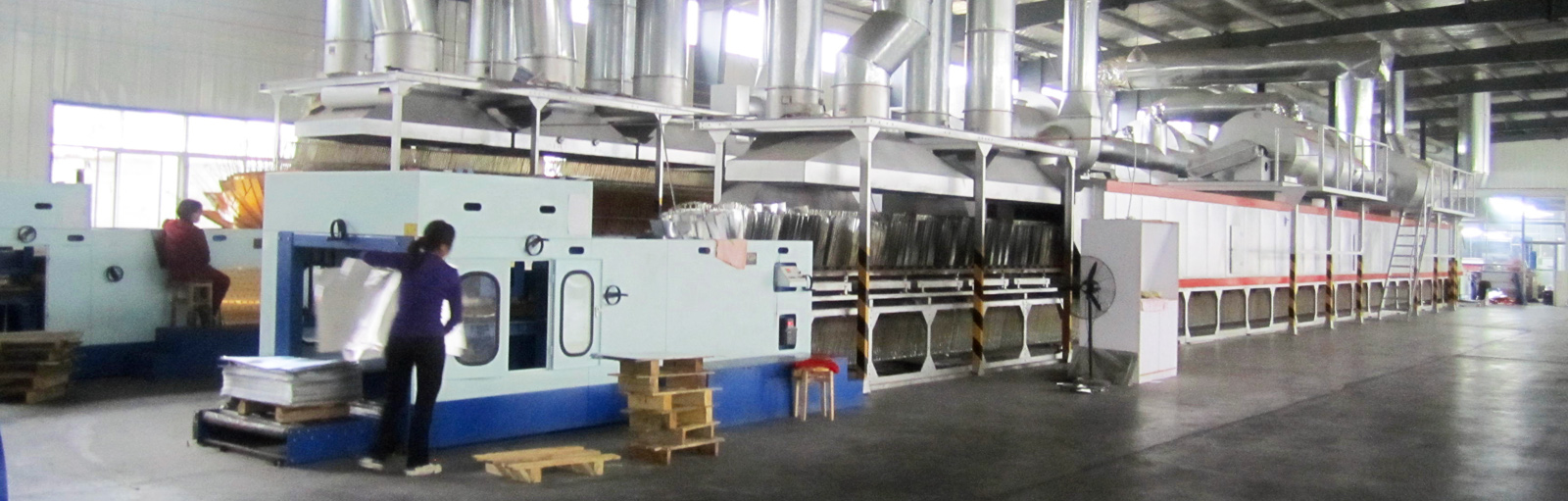
As an aluminum coil manufacturer, we maintain production controls suitable for food packaging and bottle closure applications. Raw materials are selected and managed under documented procedures. During rolling and finishing, we control surface oil, particulate contamination, coil protection, and storage conditions. Finished 8011 aluminum coil is inspected before packing to help ensure that the material is suitable for subsequent coating, printing, and closure conversion.
For direct or indirect food-contact applications, the finished closure system must also be evaluated with the internal lacquer, external coating, ink, liner, and sealing compound used by the cap manufacturer. We can provide material documentation and cooperate with customers on specification confirmation for their relevant market requirements.
Manufacturing Process for 8011 Aluminum Closure Coil
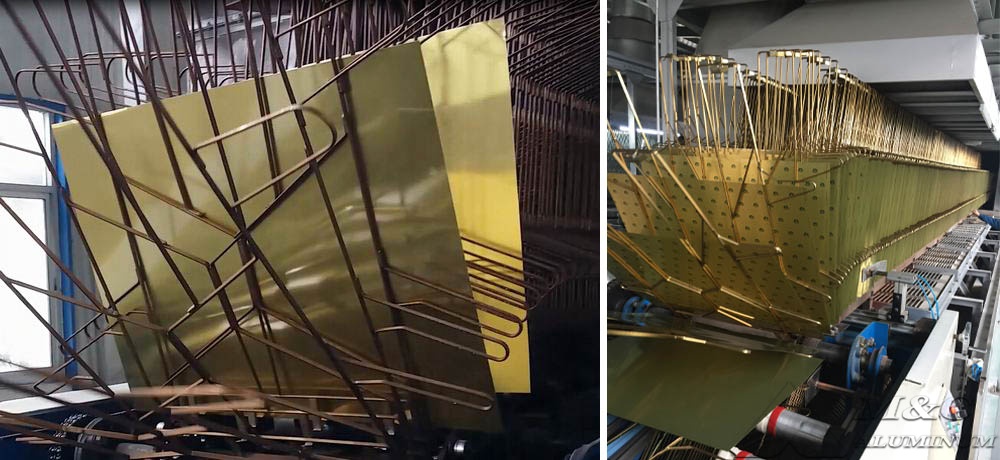
Our manufacturing process for bottle cap aluminum sheet begins with controlled alloy preparation and continues through hot rolling, cold rolling, annealing, finishing, slitting, inspection, and packing. Each stage has a direct influence on final ROPP cap performance.
1. Alloy Melting and Composition Control
We control the composition of 8011 alloy to maintain consistent processing behavior. Iron and silicon are important elements in this alloy system, and their balance affects strength, grain structure, and formability. Stable chemistry helps reduce variation between production batches.
2. Hot Rolling and Cold Rolling
After casting and homogenization, the material undergoes hot rolling and cold rolling to reach the required thickness. Rolling reduction schedules are controlled to achieve the desired sheet structure and mechanical properties. Thickness consistency is particularly important because small gauge deviations can influence cap weight, drawing behavior, and closure dimensions.
3. Annealing and Temper Adjustment
Annealing is used to develop the required balance between strength and ductility. For ROPP pilfer-proof caps, the material must be strong enough to retain shape after forming while remaining sufficiently ductile for drawing and thread rolling. We select the appropriate final temper according to the customer's cap geometry and conversion process.
4. Surface Finishing and Inspection
The coil surface is checked for scratches, roll marks, edge cracks, oil stains, pinholes, inclusions, and other defects that may affect coating or decoration. Surface consistency is essential for high-quality lithographic printing, varnishing, embossing, and final visual appearance.
5. Slitting and Protective Packing
The finished master coil can be slit into narrower coils to match blanking equipment and production line requirements. We protect coils with suitable packaging materials to reduce the risk of moisture exposure, transit damage, and edge deformation during storage and transportation.
Surface Quality for Printing, Coating, and Lacquering
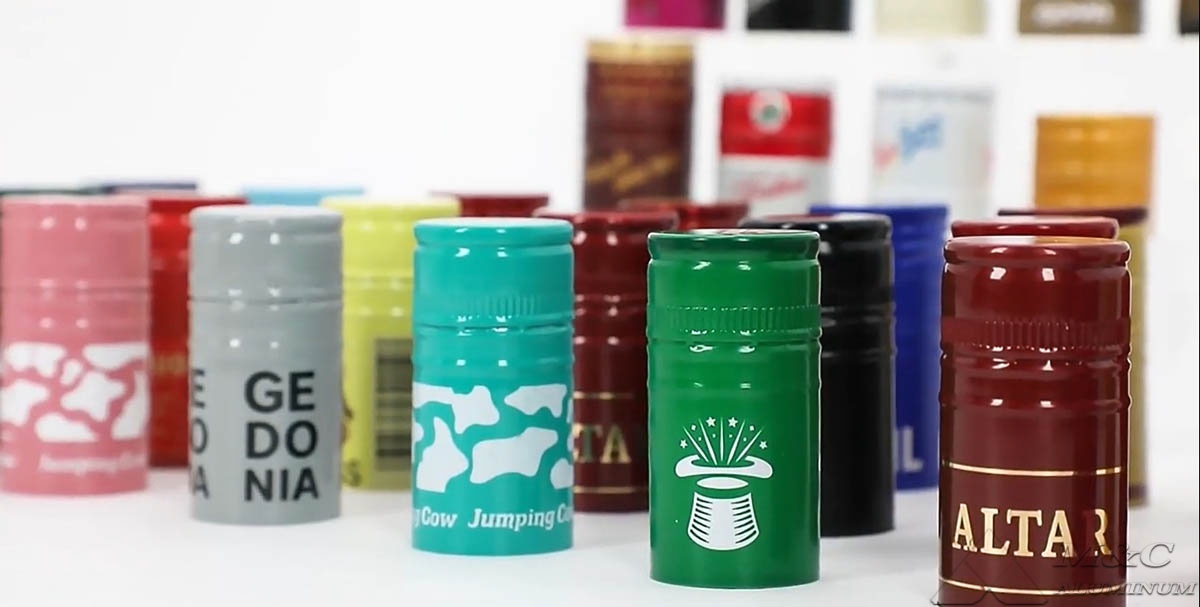
ROPP closures often carry brand graphics, color coatings, embossed logos, and protective varnishes. The aluminum substrate must provide a clean, uniform surface to support coating adhesion and consistent printed appearance.
Our 8011 aluminum coil can be supplied with surface conditions appropriate for pre-treatment, coating, and printing operations. Surface oil levels are managed so that customers can obtain reliable wetting and adhesion after their standard cleaning or pre-treatment process. We also pay close attention to coil flatness and tension stability, which support smooth passage through coating and printing lines.
For closures requiring internal lacquer, such as wine bottle caps and edible oil caps, the substrate should be compatible with the customer's selected coating system. We recommend confirming coating type, curing conditions, cap forming method, and end-use environment during technical specification review.
Typical Applications
Our 8011 aluminum coil for ROPP pilfer-proof caps is used in a broad range of packaging closure applications, including:
Wine bottle ROPP closures.
Spirits and liquor bottle caps.
Olive oil and edible oil closures.
Vinegar and condiment bottle caps.
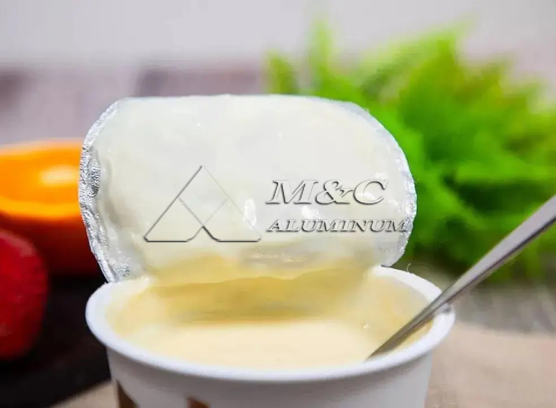
Non-carbonated beverage closures.
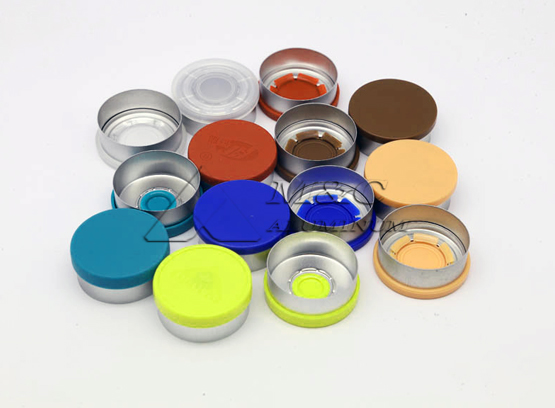
Pharmaceutical liquid bottle closures.
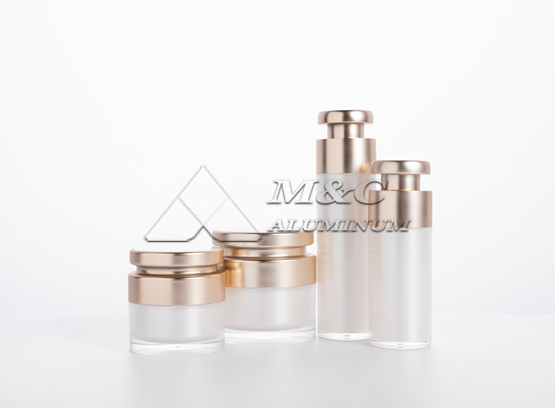
Cosmetic and personal care container closures.
Specialty aluminum screw caps with tamper-evident bands.
Quality Assurance at Our Factory
We understand that closure converters require more than nominal alloy compliance. They need stable aluminum coil that performs consistently across high-speed production runs. Our quality control process focuses on the properties that matter in bottle cap manufacturing: chemical composition, thickness tolerance, width tolerance, mechanical performance, surface quality, flatness, edge condition, coil winding, and packaging integrity.
Before shipment, each coil is inspected against the agreed specification. Material identification and production records are maintained to support traceability. When customers have specific requirements for low earing, coating performance, cap drawing depth, or blanking yield, we can align testing and acceptance criteria with their processing needs.
Selecting the Right 8011 Coil Specification
The correct 8011 aluminum coil specification depends on the final closure design and manufacturing process. When evaluating ROPP cap stock, the most important factors usually include thickness, temper, cap diameter, cap height, shell drawing depth, thread profile, tamper-band design, decoration process, and line speed.
A thinner gauge may reduce material consumption, but it must still provide sufficient strength and forming stability. A softer temper may support deeper drawing, while a harder temper may be appropriate for shallower caps or designs requiring improved rigidity. We work from the actual conversion conditions to recommend a practical specification rather than relying only on a general material grade.
Conclusion
8011 aluminum coil is a reliable material choice for ROPP pilfer-proof caps when it is produced with controlled low earing, stable mechanical properties, clean surface quality, and food-contact-oriented process management. For cap manufacturers, these characteristics help support efficient blanking, drawing, rolling, coating, printing, and final closure performance.
As a dedicated manufacturer of bottle cap aluminum sheet, we supply 8011 aluminum closure coil in customized thicknesses, widths, tempers, and coil configurations for wine, spirits, edible oil, beverage, pharmaceutical, and specialty packaging closures. Our production approach is focused on consistent forming behavior, surface reliability, and traceable quality control for demanding ROPP cap applications.


Applications
-
Advisory Message
Alloy Grade Thickness, Application, etc.
-
Quick Reply
Quick reply within 30 minutes
-
Getting Information
One-to-one design and customized production plan