- Address:Zhengzhou, Henan, China
- Mon-Fri (8am - 6pm)
- sales@alummc.com

Do You Know the Function of Aluminum Foil Lids for Cup Yogurt Packaging?
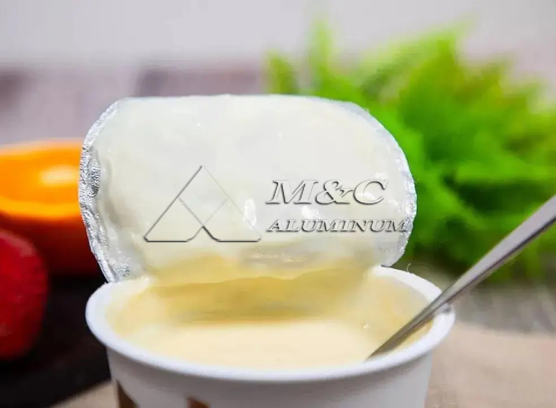
When we peel back the lid of a cup of yogurt and enjoy that tempting creamy layer on top, have you ever noticed the thin, metallic-looking sealing lid in your hand? Its role goes far beyond simple "sealing." It is a critical protective barrier that ensures yogurt maintains optimal quality from the production line to the consumer.
What Is an Aluminum Foil Sealing Lid?
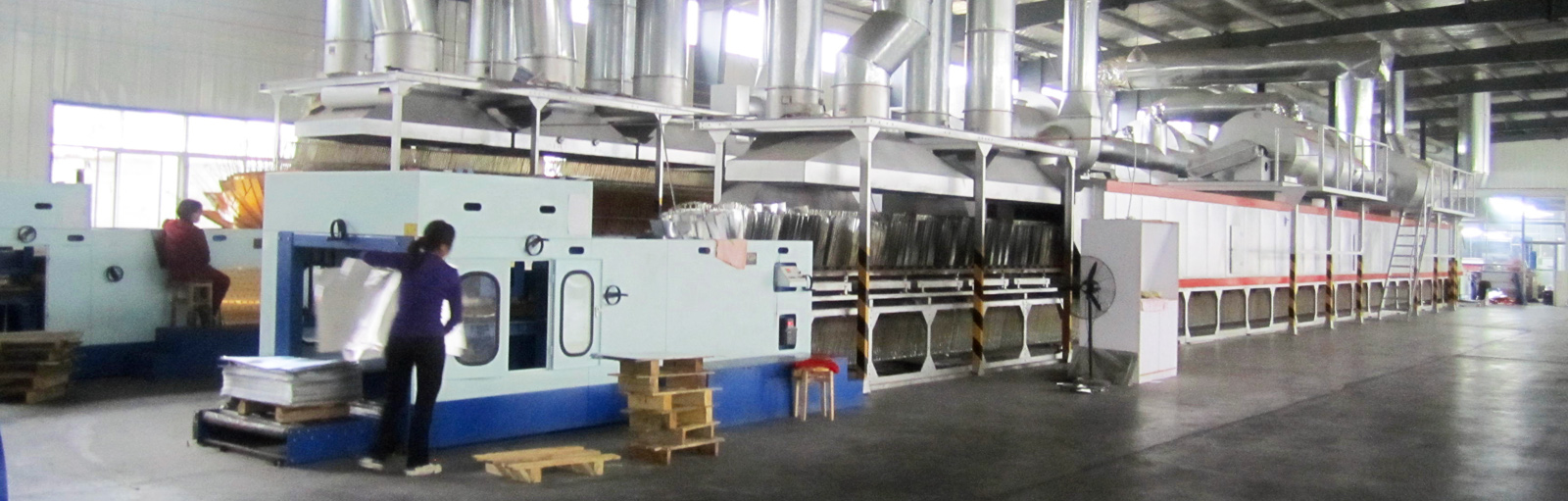
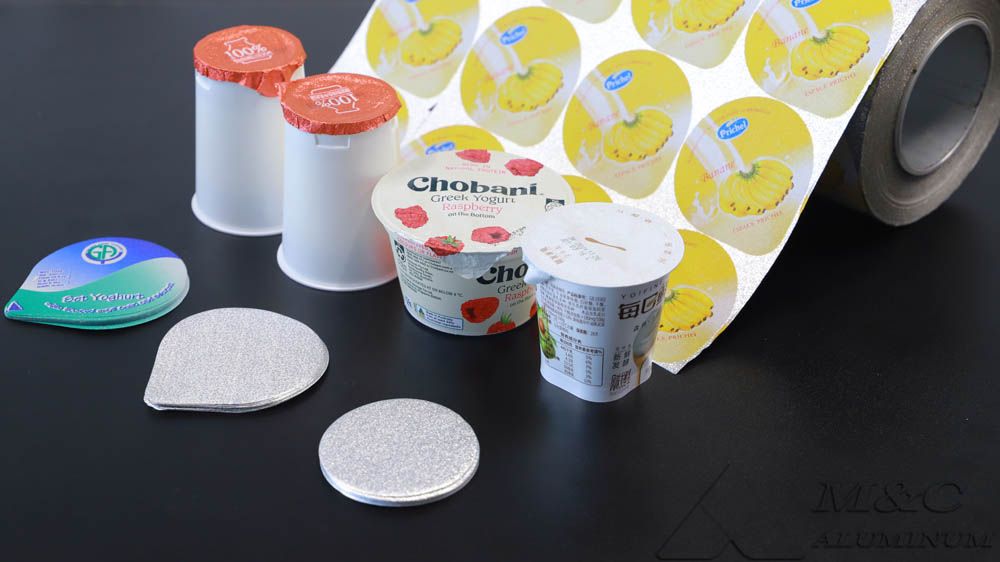
An aluminum foil sealing lid is a packaging material made from food-grade 8011/8079 aluminum foil laminated with a heat-sealable coating or functional film. It is primarily used for sealing cup yogurt, dairy beverages, jelly, pudding, and similar products.
Through heat sealing or induction sealing, the aluminum foil lid bonds firmly to the rim of plastic cups, providing stable and reliable protection without affecting product flavor.
Basic Structure
Aluminum foil substrate:
Typically 30-50 μm thick 8011 O or 8079 O aluminum foil, offering excellent barrier properties and good stiffness.Heat-seal coating (or laminated film):
Compatible with PP, PS, PET, and other cup materials, ensuring stable seal strength without cracking or false sealing.Printing layer (optional):
Used for branding, product information, and anti-counterfeiting features; supports single-color or multicolor printing.

Core Functions of Aluminum Foil Lids in Yogurt Sealing
1. Excellent Sealing Performance
Yogurt is rich in probiotics and proteins. Aluminum foil lids provide near-total barriers against oxygen, moisture, light, and odors, preventing spoilage and extending shelf life by 15-31 days.
2. Tamper Evidence
Most aluminum foil lids are designed for one-time peel-off use. Once opened, they cannot be restored, clearly indicating that the product has been opened. This effectively prevents tampering and counterfeit products, enhancing consumer confidence.
3. Resistance to High and Low Temperatures
Aluminum foil lids can withstand temperature ranges from -20°C to +100°C, making them suitable for frozen, refrigerated, and ambient storage-an essential advantage for modern cold-chain logistics.
4. Mechanical Strength and Damage Resistance
Aluminum foil combines high tensile strength with flexibility. During transportation and storage, it effectively resists impact, compression, and tearing, maintaining package integrity.
5. Food Safety and Hygiene
Aluminum foil complies with food-grade standards, is clean, non-toxic, odorless, and can withstand high-temperature sterilization processes.
6. Environmentally Friendly and Recyclable
Aluminum is 100% recyclable, aligning with sustainability requirements in modern food packaging.
Key Technical Parameters of Aluminum Foil Sealing Lids
| Oxygen Transmission Rate (OTR) | < 0.5 cm³/m²·day |
| Water Vapor Transmission Rate (WVTR) | < 0.1 g/m²·day |
| Heat Seal Strength | 8-15 N/15 mm |
| Peel Cleanliness | Yogurt residue < 0.5% |
| Printing Adhesion | Passes 3M tape test |
Comparison with Other Sealing Materials
| Sealing Material | Advantages | Disadvantages | Typical Applications |
| Aluminum foil lid | High barrier, light-proof, antimicrobial protection, wide temperature resistance | Slightly higher cost; multilayer structures may require separation for recycling | Yogurt, yogurt drinks, juices |
| Plastic lid | Low cost, easy processing | Poor barrier; vulnerable to moisture and oxygen | Short-shelf-life beverages |
| Paperboard lid | Eco-friendly, biodegradable | High permeability; unsuitable for products requiring airtight sealing | Tea drinks, coffee |


Applications

-
Advisory Message
Alloy Grade Thickness, Application, etc.
-
Quick Reply
Quick reply within 30 minutes
-
Getting Information
One-to-one design and customized production plan