- Address:Zhengzhou, Henan, China
- Mon-Fri (8am - 6pm)
- sales@alummc.com

Should One Choose 8011 Or 5052 Aluminum Sheet For Bottle Caps?
As an aluminum rolling manufacturer, we are often asked a practical question by cap producers, beverage plants, wineries, and packaging engineers: should bottle caps use 8011 aluminum sheet or 5052 aluminum sheet? Both alloys can be used in closure applications, but they are not interchangeable in every production line. The correct selection depends on the cap structure, forming depth, required strength, sealing method, corrosion environment, coating system, and cost target.
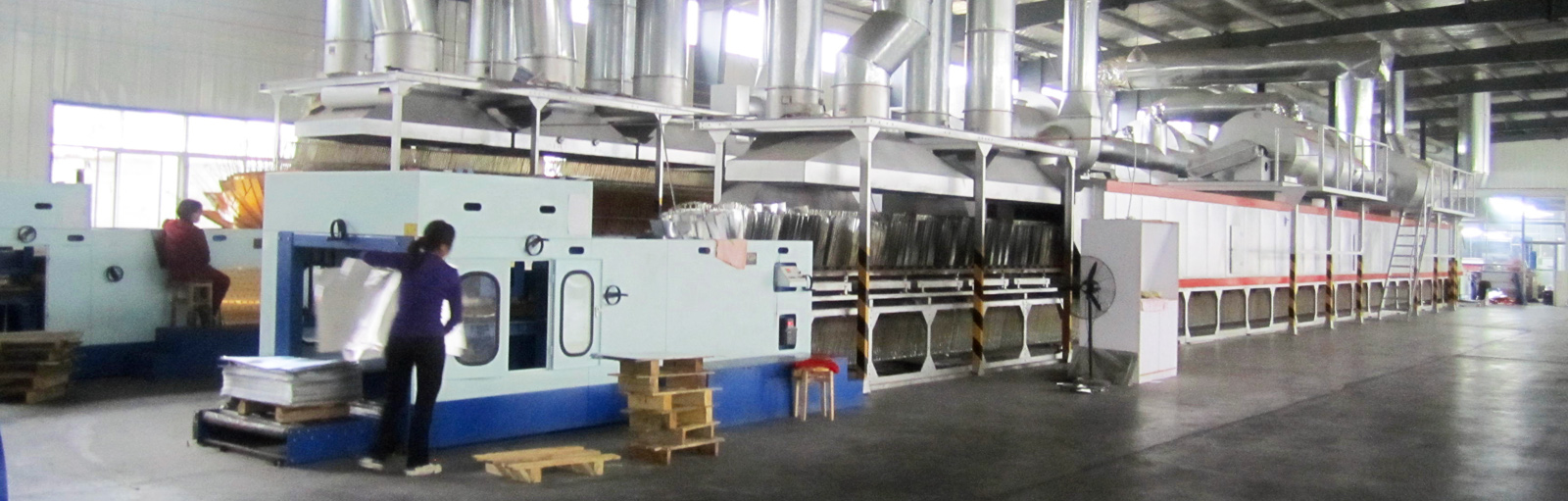
In our factory practice, 8011 aluminum sheet for bottle caps is widely used for common roll-on pilfer-proof caps, beverage caps, pharmaceutical closures, and easy-forming closure components. 5052 aluminum sheet for bottle caps is selected when higher mechanical strength, better corrosion resistance, or improved rigidity is required. A stable cap product is not determined by alloy grade alone. It is the result of controlled chemical composition, rolling reduction, annealing curve, surface cleaning, flatness, lubrication compatibility, and final temper accuracy.
Understanding the Functional Requirements of Bottle Cap Aluminum Sheet
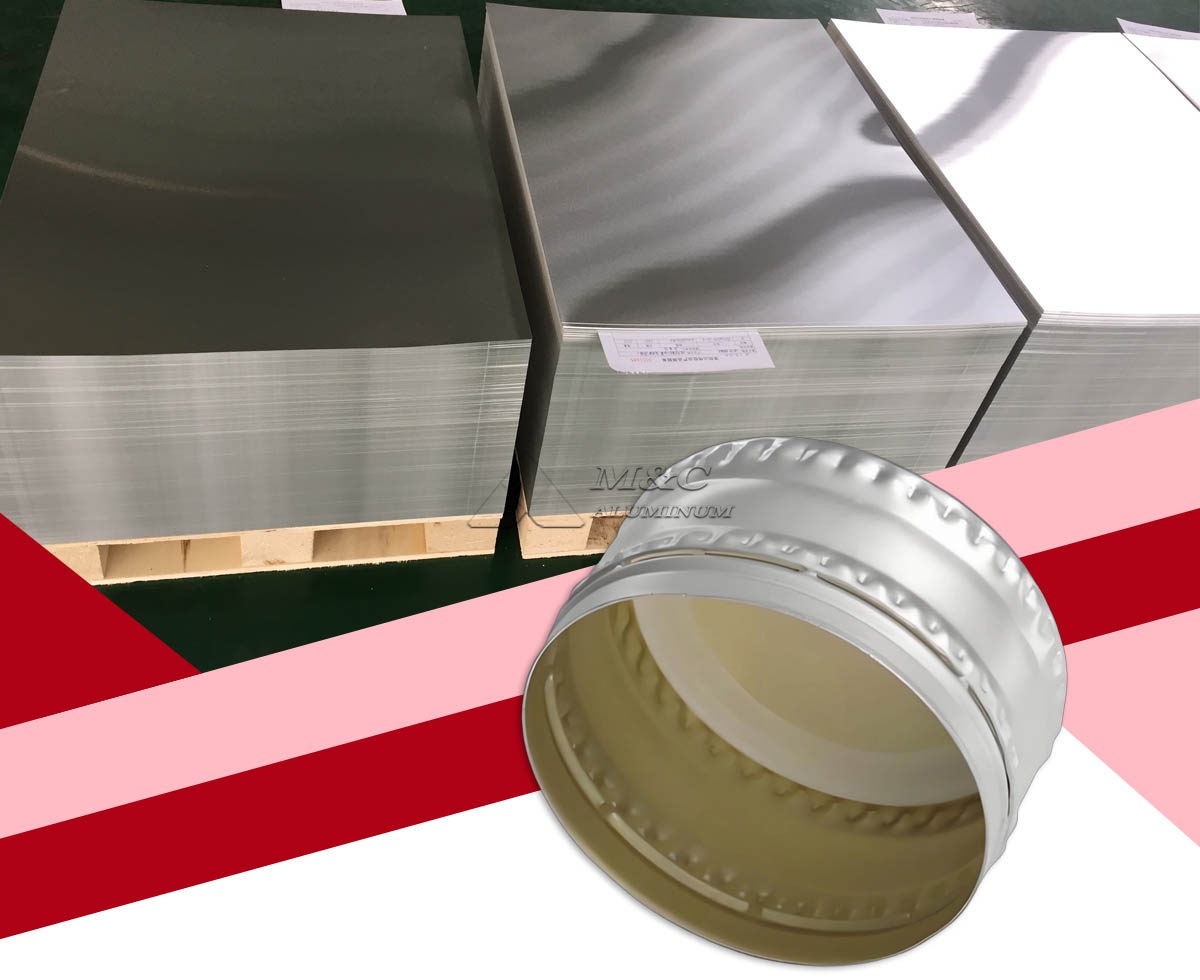
Bottle cap aluminum sheet is a precision packaging material. During cap production, the sheet or strip may go through printing, coating, slitting, punching, deep drawing, knurling, threading, bridge forming, gasket insertion, sterilization, and final capping. The material must perform consistently through each step.
Important requirements include:
Good formability without earing, cracking, or orange peel.
Stable tensile strength and elongation for high-speed stamping.
Clean surface suitable for lacquer, printing, and sealing compound.
Accurate thickness tolerance for cap weight control and sealing performance.
Proper hardness to balance drawing performance and cap rigidity.
Corrosion resistance against beverage, alcohol, pharmaceutical, or cosmetic contents.
Low pinhole, inclusion, and surface defect levels.
From a manufacturing perspective, alloy selection should begin with the cap design drawing and line parameters, not only with the alloy name. For example, a shallow beverage cap and a tall anti-counterfeit spirit cap may both be called bottle caps, but they impose very different demands on aluminum closure sheet.
Overview of 8011 Aluminum Sheet for Bottle Caps
8011 is an Al-Fe-Si series alloy. It is one of the most established materials for aluminum closure sheet because it offers reliable forming behavior, good surface quality after rolling, and economical production efficiency. In cap applications, 8011 is commonly supplied in H14, H16, H18, or annealed conditions depending on the drawing depth and cap structure.
The main advantage of 8011 aluminum sheet is its processing balance. It has enough strength for conventional caps while maintaining good ductility. For caps that require drawing, skirt forming, and thread rolling, 8011 can reduce cracking risk when the temper is correctly selected. It also supports common coating systems, including epoxy, polyester, organosol, and food-contact lacquers.
Typical applications include:
ROPP caps for wine, spirits, and beverages.
Pharmaceutical bottle caps and vial seals.
Water bottle caps and beverage closures.
Cosmetic and personal care packaging caps.
Aluminum sealing caps requiring good stamping performance.
In our rolling process, 8011 closure sheet is produced with controlled iron and silicon content, stable intermediate annealing, and final temper adjustment. The goal is to obtain uniform mechanical properties across the coil width and length. This is important for customers using multi-cavity high-speed cap presses, where small property fluctuations can lead to uneven forming or inconsistent bridge breaking force.
Overview of 5052 Aluminum Sheet for Bottle Caps
5052 is an Al-Mg alloy, known for higher strength and better corrosion resistance than 8011. It is commonly used in applications where the cap must resist deformation, provide stronger anti-theft performance, or withstand more aggressive environments. The magnesium content contributes to work hardening capacity and improved resistance to many corrosive media.
Compared with 8011, 5052 aluminum sheet has higher tensile strength in similar hardened conditions. This makes it suitable for certain premium closures, liquor caps, high-rigidity cap shells, decorative caps, and packaging components exposed to humidity or mildly corrosive environments. However, higher strength also means higher forming load and greater springback. If the cap die was originally designed for 8011, direct substitution with 5052 may require tooling adjustment.
Typical applications include:
High-strength pilfer-proof caps.
Premium wine and spirits closures.
Cosmetic caps requiring improved rigidity.
Caps exposed to humid storage or transport conditions.
Special closure structures requiring higher corrosion resistance.
For 5052 cap material, we pay particular attention to grain structure, surface cleanliness, and temper control. Excessive hardness may cause cracking in deep drawing or bridge forming, while insufficient hardness may reduce cap strength. Therefore, the recommended temper must be matched to actual cap height, wall thickness, and forming route.
Technical Comparison: 8011 vs 5052 Aluminum Sheet
The following table lists general reference parameters. Actual values should be confirmed according to customer standards, coating condition, cap design, and delivery temper.
| Item | 8011 Aluminum Sheet for Bottle Caps | 5052 Aluminum Sheet for Bottle Caps |
|---|---|---|
| Alloy system | Al-Fe-Si | Al-Mg |
| Typical tempers | O, H14, H16, H18 | O, H32, H34, H36 |
| Typical thickness range | 0.15-0.50 mm | 0.20-0.60 mm |
| Typical width range | 200-1600 mm | 200-1600 mm |
| Tensile strength, reference | 105-185 MPa, temper dependent | 170-260 MPa, temper dependent |
| Elongation, reference | Moderate to high, temper dependent | Moderate, temper dependent |
| Formability | Excellent for common cap drawing | Good, but higher forming force required |
| Springback tendency | Lower | Higher |
| Corrosion resistance | Good for standard packaging | Better, especially in humid conditions |
| Surface requirement | Degreased, clean, coating-ready | Degreased, clean, coating-ready |
| Main advantage | Balanced formability and cost efficiency | Higher strength and corrosion resistance |
| Typical cap use | Beverage, pharmaceutical, ROPP, general closures | Premium, high-strength, corrosion-resistant closures |
Formability and Stamping Performance
For many cap factories, the first concern is whether the aluminum sheet can pass high-speed stamping without cracking. In this respect, 8011 usually has an advantage for conventional caps. Its lower forming resistance allows smoother drawing and easier thread forming, especially when the cap has a relatively high skirt or when the production line operates at high speed.
5052 can also be formed successfully, but it requires more attention to lubrication, die clearance, punch radius, and temper. Because of its higher strength, the forming load is higher. If the stamping die has sharp corners or insufficient clearance, 5052 may show edge cracking or excessive thinning. For this reason, we normally recommend trial production before switching from 8011 to 5052.
Earing control is also important. We manage rolling texture through reduction ratio and annealing treatment to reduce uneven cup height after drawing. For cap producers, stable earing behavior reduces trimming waste and improves dimensional consistency.
Strength, Sealing, and Anti-Theft Performance
A cap must maintain sealing force during transportation, storage, and opening. If the aluminum is too soft, the cap may deform during capping or lose torque stability. If it is too hard, it may crack during forming or fail to create a reliable thread profile.
8011 is suitable for standard sealing requirements. It provides a practical balance between cap shape retention and forming flexibility. For common beverage caps and pharmaceutical seals, 8011 remains one of the most efficient choices.
5052 is preferred when higher rigidity is necessary. Premium spirits caps, anti-counterfeit closures, or caps requiring a strong bridge structure may benefit from 5052. Its higher strength can improve deformation resistance and provide a more solid appearance. However, cap opening torque and bridge breaking force must be verified during customer trials.
Corrosion Resistance and Product Compatibility
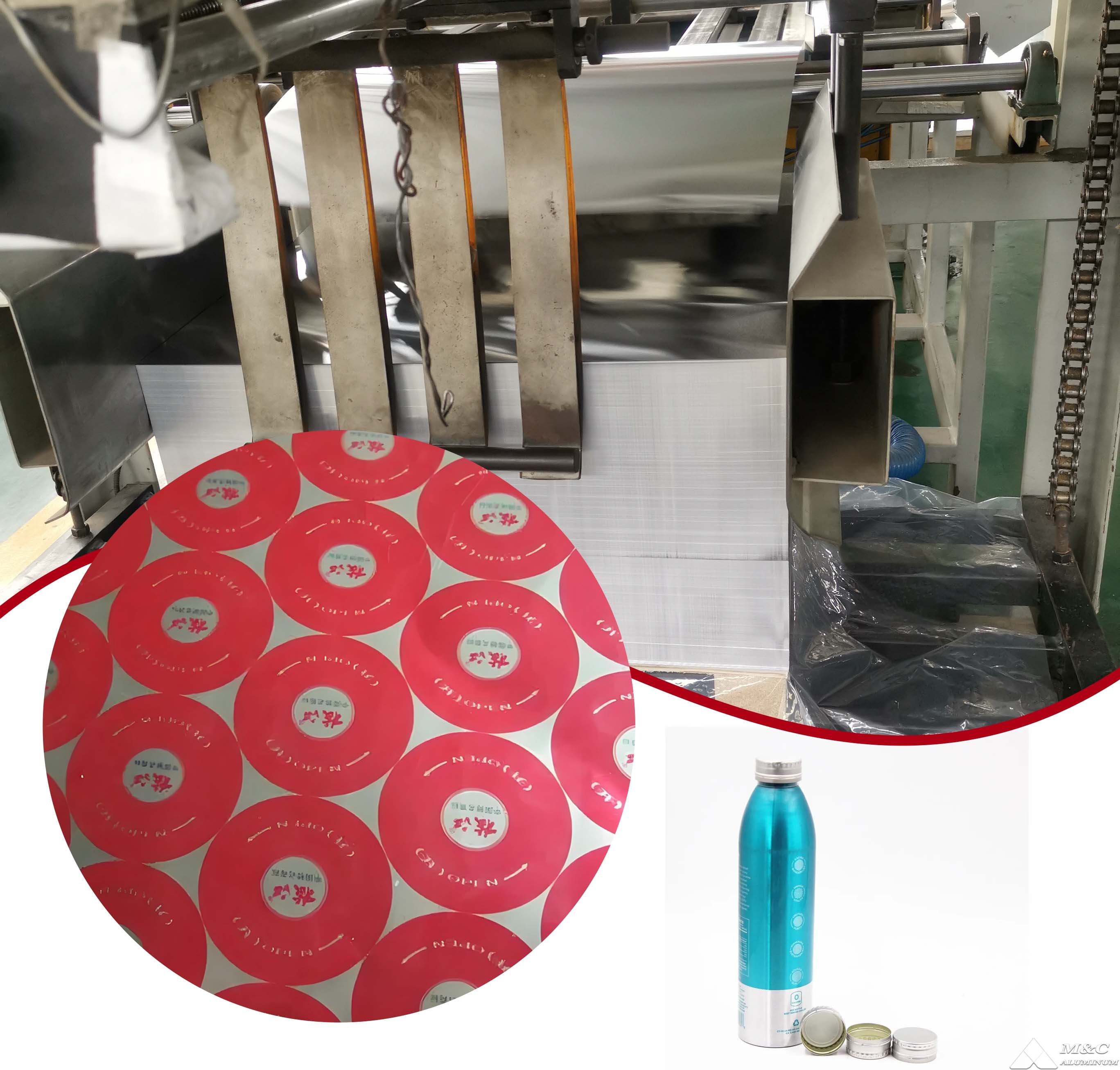
The corrosion environment of a cap depends on the packaged product and storage conditions. Water, carbonated drinks, alcohol, pharmaceuticals, and cosmetics all have different chemical characteristics. In many cases, the inner coating provides the primary barrier, while the aluminum substrate provides mechanical support.
8011 offers adequate corrosion resistance for most standard closures when combined with proper coating. It is widely used in food and beverage packaging because it can be processed into clean, coating-ready surfaces.
5052 provides stronger inherent corrosion resistance because of its magnesium content. It is often considered for products stored in humid regions, high-end alcoholic beverages, or packaging that needs enhanced durability. Still, coating compatibility remains essential. Even with 5052, improper pretreatment or lacquer curing can cause adhesion problems or corrosion under the coating.
As a manufacturer, we recommend confirming the full packaging system, including liner, coating, sterilization temperature, filling liquid, and storage environment, before final alloy selection.
Surface Quality, Coating, and Printing Requirements
Bottle cap aluminum sheet must have a uniform surface. Rolling marks, oil stains, scratches, black spots, or inclusions can reduce printing quality and coating adhesion. For decorative caps, surface consistency is especially important because small defects may become visible after printing or embossing.
Our production control includes melt purification, filtration, hot rolling, cold rolling, annealing, tension leveling, degreasing, and surface inspection. For closure sheet, we focus on:
Low residual rolling oil.
Uniform roughness suitable for coating.
Stable flatness for printing and slitting.
Clean edges after slitting.
Controlled coil tension to avoid telescoping or loose winding.
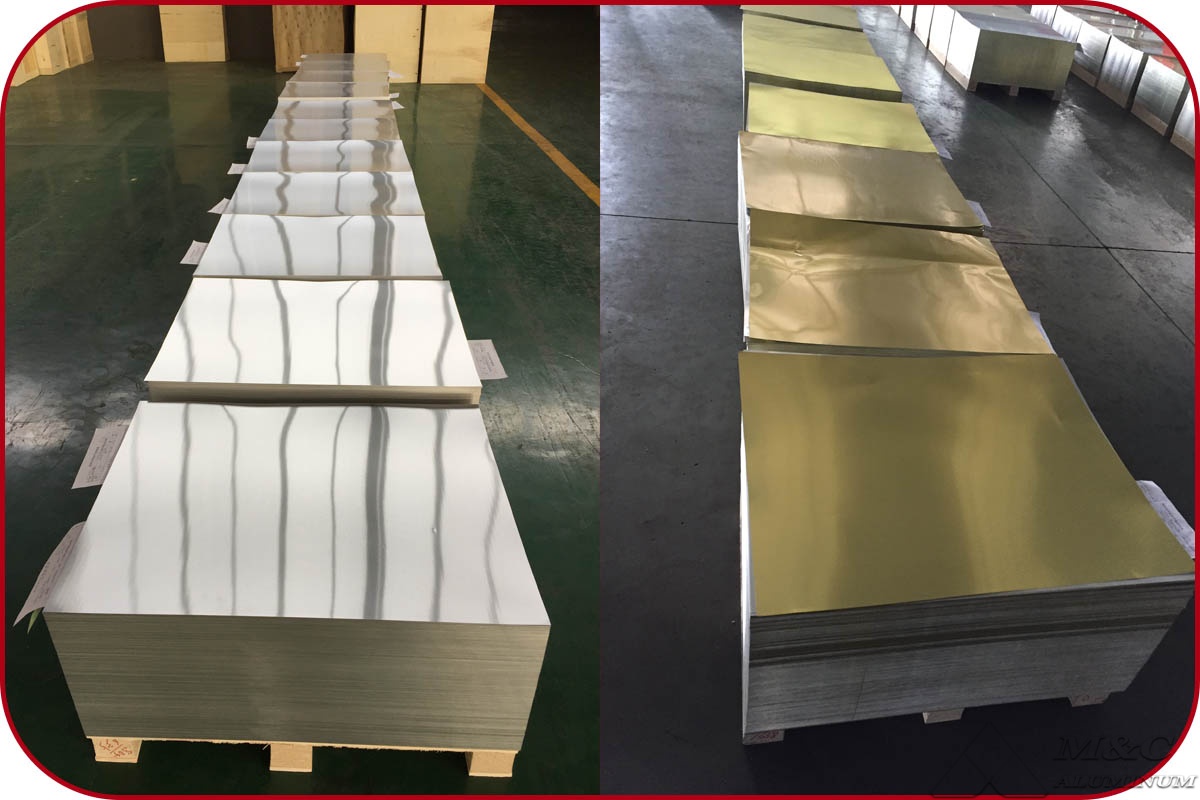
Both 8011 and 5052 can be supplied as mill finish, degreased material, or material prepared for coating and printing. The final surface condition should be specified clearly in the purchase standard.
Cost and Production Efficiency
Cost is not only the price per ton. It also includes yield, stamping speed, die wear, coating performance, rejection rate, and cap line stability. In many standard cap applications, 8011 provides better total manufacturing economy because it is easier to form and widely proven in closure production.
5052 usually has a higher alloy cost and may require more forming force. It can also increase die wear if the tooling is not optimized. However, for applications where strength and corrosion resistance reduce field failure or improve product positioning, 5052 can be the more suitable engineering choice.
Therefore, the right decision should be based on total application value rather than alloy price alone.
How We Recommend Choosing Between 8011 and 5052
Based on our manufacturing and customer trial experience, the following selection logic is practical:
Choose 8011 aluminum sheet if:
The cap is a standard beverage, wine, pharmaceutical, or cosmetic closure.
Deep drawing and stable high-speed stamping are priorities.
The current die design favors softer and more formable material.
The product requires good coating performance with competitive cost.
The cap does not require unusually high strength.
Choose 5052 aluminum sheet if:
The cap requires higher rigidity or anti-theft strength.
Better corrosion resistance is required by the product environment.
The cap design can tolerate higher forming force and springback.
The production line has been tested and adjusted for 5052 behavior.
The packaging is positioned as a premium or demanding closure solution.
In some projects, 3105 or 5182 aluminum closure sheet may also be considered. These alloys can provide intermediate or specialized performance. However, for the specific comparison between 8011 and 5052, 8011 is generally the preferred material for broad cap production, while 5052 is selected for higher-strength and more corrosion-resistant closure applications.
Manufacturing Control Points in Our Factory
For bottle cap aluminum sheet, alloy selection is only the first step. We control the following production points to ensure consistent customer processing:
Melt composition control to keep alloy elements within the required range.
Inclusion removal and filtration to improve surface and forming reliability.
Hot rolling temperature control to obtain stable slab and coil structure.
Cold rolling reduction control for accurate thickness and mechanical properties.
Intermediate and final annealing to adjust ductility and temper.
Tension leveling to improve flatness for printing and stamping.
Surface degreasing and inspection for coating compatibility.
Slitting and packaging to protect edges and prevent moisture damage.
For engineering orders, we can provide trial coils and compare stamping results, including cup height, cracking rate, earing, torque performance, and coating adhesion. This data is often more useful than a general alloy recommendation.
Conclusion
There is no single answer that applies to every bottle cap. 8011 aluminum sheet is usually the first choice for standard bottle caps because it offers excellent formability, stable production performance, and favorable cost efficiency. It is especially suitable for high-volume beverage caps, pharmaceutical closures, and general ROPP caps.
5052 aluminum sheet should be considered when the cap requires higher strength, better corrosion resistance, and improved rigidity. It is suitable for premium closures and demanding packaging environments, but it may require die adjustment, forming verification, and more careful temper selection.
As a bottle cap aluminum sheet manufacturer, our recommendation is to evaluate the cap drawing, forming process, coating system, and final sealing requirement together. When the alloy, temper, thickness, and surface condition are correctly matched, both 8011 and 5052 can deliver reliable closure performance in their appropriate applications.


Applications
Related Articles
-
Advisory Message
Alloy Grade Thickness, Application, etc.
-
Quick Reply
Quick reply within 30 minutes
-
Getting Information
One-to-one design and customized production plan