- Address:Zhengzhou, Henan, China
- Mon-Fri (8am - 6pm)
- sales@alummc.com

3105 Aluminum Closure Sheet Surface Treatment Options
As a manufacturer focused on bottle cap aluminum sheet production, we see surface treatment not as an accessory step, but as a core part of closure performance. For 3105 aluminum closure sheet, surface condition directly affects forming stability, lacquer adhesion, corrosion resistance, print quality, and line efficiency at the cap maker.
This article summarizes the most common 3105 aluminum closure sheet surface treatment options used for ROPP caps, pilfer-proof closures, beverage closures, and similar applications. The emphasis is on process choices that can be industrialized at scale, controlled by measurable parameters, and qualified through standard tests.
Product Introduction
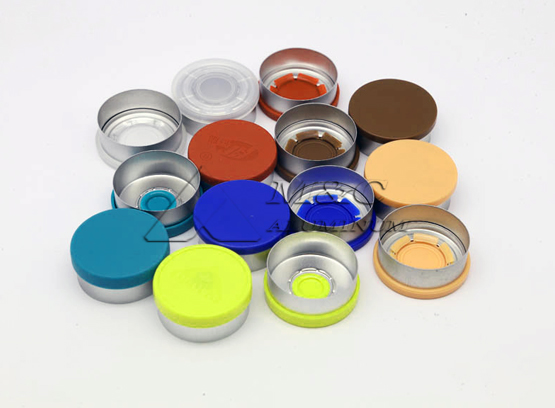
3105 aluminum alloy is the material of choice for the bottle cap manufacturing industry. As a typical Al-Mn (aluminum-manganese) rust-resistant alloy, it adds an appropriate amount of magnesium to the 3003 alloy, giving it higher strength than the 1000 series while maintaining excellent deep-drawing performance and processability. Our 3105 aluminum closure sheets are specifically designed for ROPP caps, anti-counterfeiting bottle caps, pharmaceutical caps, and food packaging, meeting the most demanding machining and printing requirements.
Why surface treatment matters for 3105 closure stock
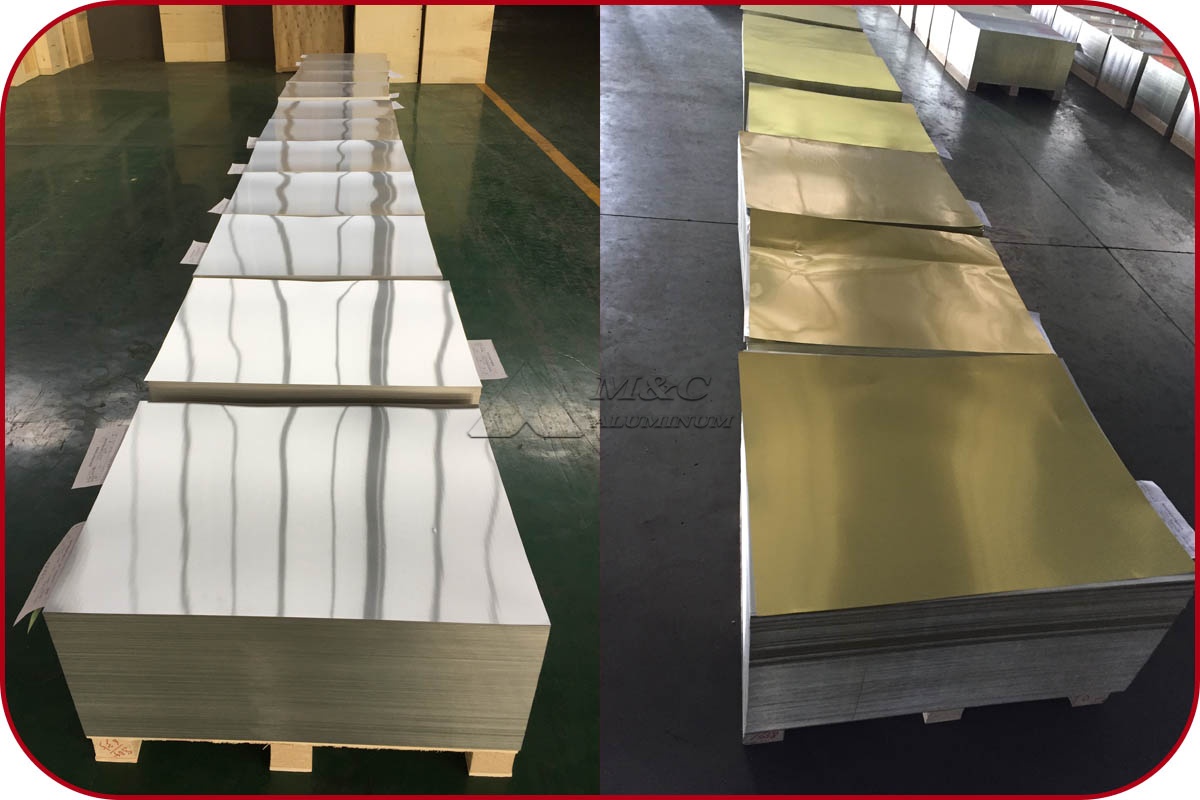
Alloy 3105 is an Al-Mn-Mg alloy widely used for closure sheet because it balances strength, drawability, and cost. However, like all rolled aluminum, it leaves our rolling and slitting operations with a surface that may carry:
Residual rolling oil films with variable polarity and thickness
Oxide layers and fine metallic debris from rolling and handling
Localized surface energy variation affecting wetting
Minor scratches that can become initiation points for coating defects
Surface treatment aligns the sheet surface with downstream requirements:
Formability consistency: stable friction coefficient in stamping and forming
Coating adhesion: robust bonding of epoxy, polyester, organosol, or BPA-NI systems
Corrosion resistance: barrier plus passivation against product-side exposure
Printability: uniform ink wetting and curing response
Storage stability: reduced risk of staining, fingerprinting, and coil-to-coil variation
Common surface treatment routes we supply
In closure-sheet manufacturing, surface treatment is typically selected around the customer coating line design and the closure end-use (beverage, spirits, edible oils, etc.). In practice, we group options into five routes.
Option 1: Mill finish with controlled rolling oil (untreated)
For some customers with robust in-house cleaning and coating lines, we supply mill finish 3105 aluminum sheet with tightly controlled rolling oil type and loading.
Where it fits
Customers with high-capacity alkaline cleaning and conversion coating lines
Applications where coating will be applied immediately after cleaning
Key controls from our side
Rolling oil selection compatible with customer cleaners
Oil loading window control to avoid under-lubrication (scratches) or over-lubrication (adhesion issues)
Coil packaging to minimize moisture condensation and staining
Limitations
Higher dependency on the customer pretreatment line
Greater risk of wetting non-uniformity if oil removal is inconsistent
Option 2: Degreased and passivated (pretreated bare sheet)
For customers seeking improved surface stability, we provide degreasing and passivation. This route can reduce variability in coating adhesion and improve temporary corrosion resistance during storage and transit.
Typical process sequence
Alkaline or neutral degreasing
Rinsing
Acid deoxidation, when required by oxide condition
Passivation, commonly chromium-free
Final rinse and drying
Benefits
More stable surface energy and wetting
Lower risk of storage staining
Improved consistency across coils
Considerations
Pretreated bare sheet still requires coating for long-term corrosion protection
Passivation chemistry must be matched to the intended lacquer system
Option 3: Chemical conversion coating (chromium-free)
Chemical conversion coating is a widely adopted pretreatment for closure stock because it provides an adhesion-promoting layer and corrosion resistance without adding significant thickness.
Common systems
Titanium-based or zirconium-based conversion coatings
Silane-enhanced systems for improved lacquer anchoring
Performance objectives
High lacquer adhesion after forming and sterilization
Consistent surface tension for coating uniformity
Controlled coefficient of friction when paired with lubricants
Notes from manufacturing practice
Bath control is critical, including pH, conductivity, metal ion loading, and temperature
Rinse quality and drying influence residue and water-spot risk
Option 4: Coil coating with exterior lacquer and print primer
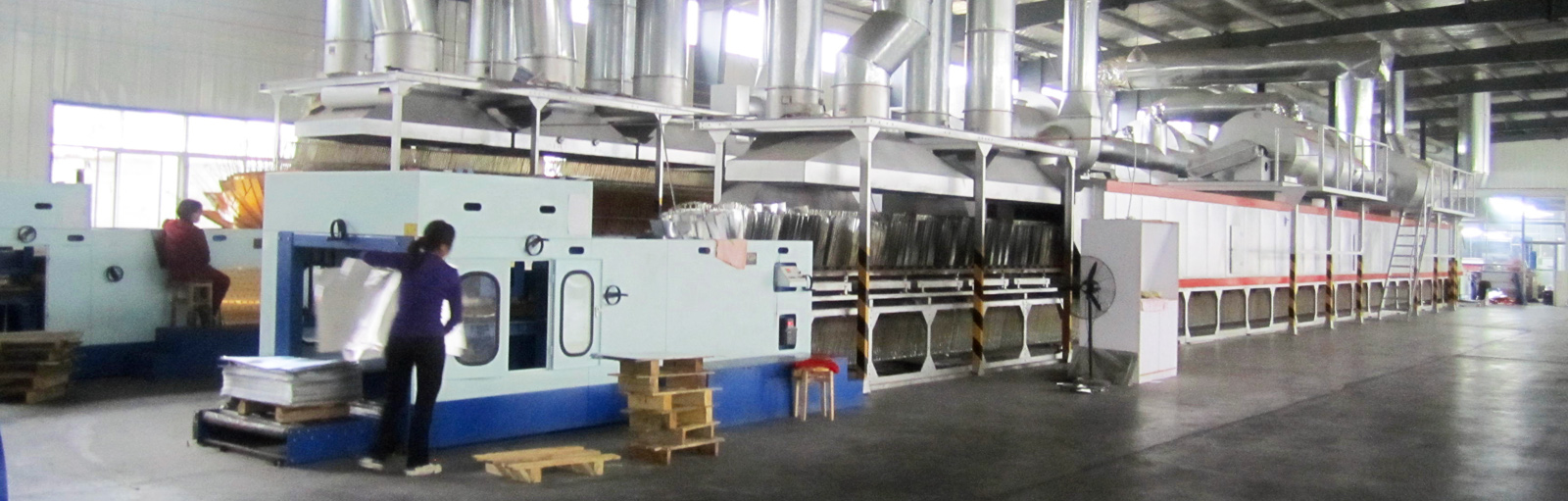
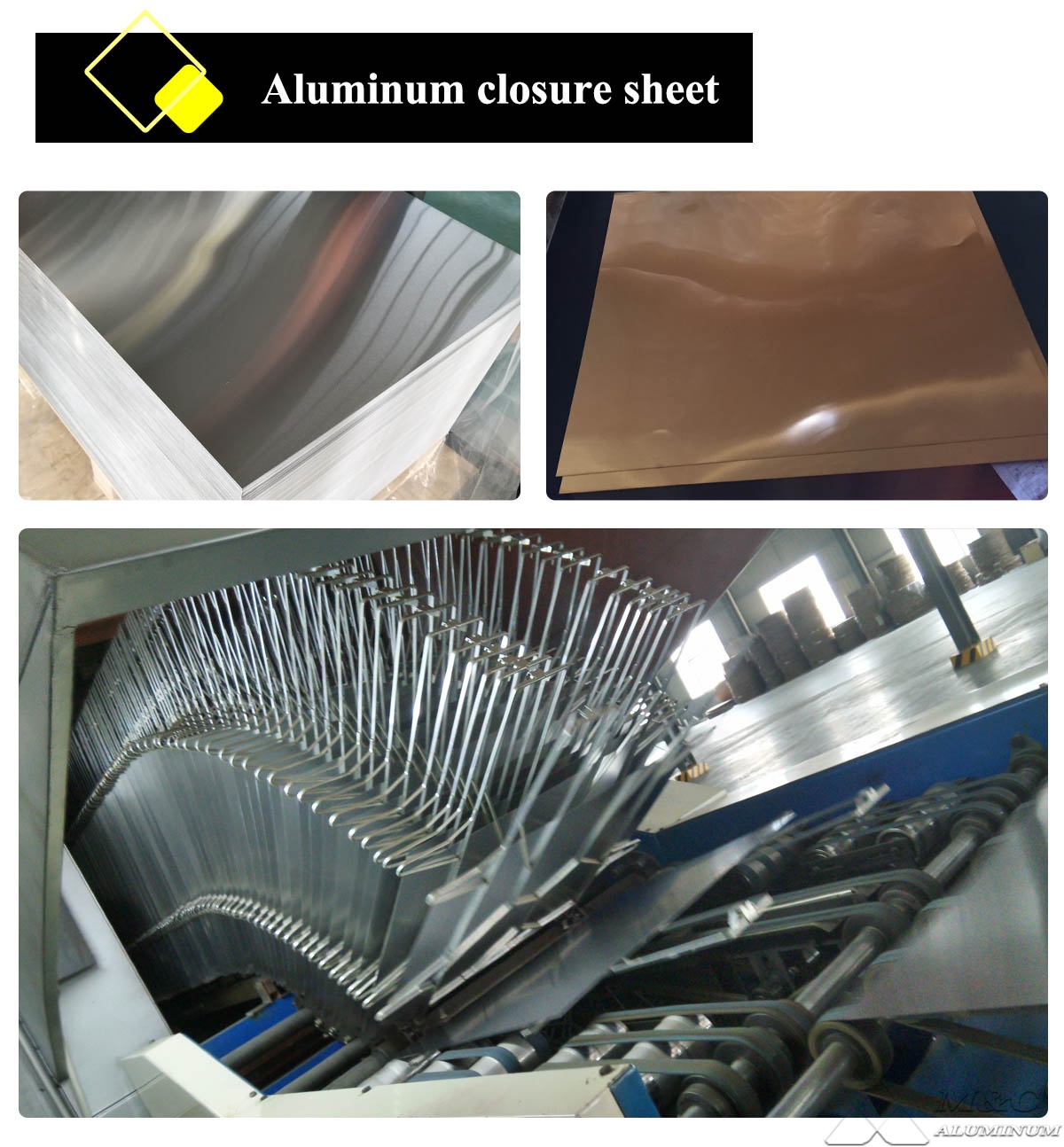
Many closure applications use pre-lacquered aluminum closure sheet, where we apply an exterior basecoat, primer, and topcoat (or print base) in a continuous coil coating line. This improves cap maker throughput and print consistency.
Typical exterior coating stack
Pretreatment (conversion coating)
Primer (for adhesion and leveling)
Color basecoat or print base
Overprint varnish as required
Advantages
Uniform coating thickness and appearance
Higher line speed at the cap plant
Reduced VOC handling and coating complexity for the customer
Selection factors
Desired gloss, color, and print method
Abrasion resistance during forming and conveying
Compatibility with closure forming lubricants
Option 5: Coil coating with interior lacquer for product contact
For closures where the inside surface may face product vapors, splashes, or aggressive environments, interior lacquer is selected for corrosion protection and sensory neutrality.
Common interior coating types
Epoxy or epoxy-phenolic systems
Polyester systems for specific compliance frameworks
BPA-NI systems depending on market requirements
Critical requirements
Chemical resistance appropriate to product type
Low odor and low extractables
Adhesion retention after forming, pasteurization, or hot fill
Technical parameters and typical control windows
The actual specification is always negotiated per closure design, coating chemistry, and forming process. The table below summarizes typical control items we use when producing 3105 bottle cap aluminum sheet with surface treatments.
| Item | Typical Range or Target | Notes and Test Methods |
|---|---|---|
| Alloy | AA3105 | Closure sheet grade for forming |
| Temper | H14, H16, H18 (common) | Selected by cap design and pilfer band requirements |
| Thickness | 0.18 to 0.30 mm | Common closure stock range; tolerances by agreement |
| Surface roughness Ra | 0.20 to 0.60 um | Controlled by work roll finish; affects coating appearance |
| Residual oil (mill finish) | 0.2 to 1.5 mg/dm2 | Controlled for cleanability and stamping stability |
| Surface tension after pretreatment | 34 to 42 mN/m | Dyne test guidance; depends on coating system |
| Conversion coating weight | 5 to 30 mg/m2 | Varies by chemistry and line; measured by XRF or titration correlation |
| Exterior lacquer thickness (dry) | 3 to 8 um | Primer plus topcoat; depends on color and print |
| Interior lacquer thickness (dry) | 4 to 10 um | Product-side protection; depends on corrosion requirement |
| Cure condition | Per coating supplier spec | Peak metal temperature control is essential |
| Adhesion | 0 to 1 (cross-hatch) | ISO 2409 or ASTM D3359, before and after forming |
| Corrosion resistance | Per application | Salt spray or cyclic tests for external; pack test for internal |
| Coefficient of friction (COF) | 0.20 to 0.40 | Target depends on tooling and forming speed |
Core Product Advantages
1. Superior Deep Drawing Performance: Excellent elongation and anisotropy control (low earing rate) ensure no cracking or wrinkling during high-speed stamping, suitable for long-necked bottle cap processing.
2. Food-Grade Safety: The surface can be coated with a food-grade coating that meets FDA or EU standards, resistant to acids, alcohols, and high-temperature sterilization, ensuring the pure flavor of the contents.
3. Excellent Paint Adhesion: After precise degreasing and chemical pretreatment, the surface is extremely clean, ensuring clear printed graphics, no paint peeling, and scratch resistance.
4. High Dimensional Accuracy: Utilizing advanced cold rolling mills and tension straightening technology, it ensures excellent sheet flatness, with thickness tolerance strictly controlled within ±0.005mm.
Main Application Scenarios
Alcohol Packaging: Bottle caps for baijiu (Chinese liquor), screw caps for wine, anti-counterfeiting caps for high-end spirits.
Beverages and Food: Aluminum caps for carbonated drinks, caps for oral liquids, easy-open caps.
Pharmaceutical Industry: Aluminum-plastic combination caps for infusion bottles, caps for antibiotic bottles.
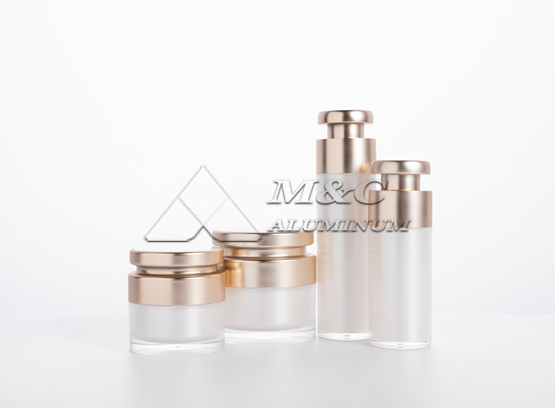
Cosmetics: Bottle caps for skincare products and high-end metal containers.
How to choose the right surface treatment option
From a manufacturing perspective, the best choice is the one that delivers stable forming and coating performance with the lowest overall process risk. We typically recommend evaluating the following.
1) Closure design and forming severity
ROPP closures and pilfer-proof caps impose different strain paths. Deep embossing, knurling, and pilfer band formation can crack brittle coatings or expose weak pretreatment. If the forming severity is high, we favor:
Conversion coating with proven lacquer compatibility
Coating systems with good elongation and adhesion after deformation
2) Product-side exposure and corrosion risk
For internal surfaces, the product type matters:
Alcoholic beverages and spirits: solvent resistance and odor neutrality
Carbonated beverages: moisture and CO2 environment, pasteurization cycles
Edible oils: stain resistance and long-term stability
The internal lacquer choice should be supported by pack testing, not only generic corrosion tests.
3) Customer line configuration
If a customer already has cleaning, pretreatment, and coating capacity, mill finish or passivated sheet may be optimal. If they prioritize line simplicity and appearance uniformity, pre-lacquered coil can reduce variability.
4) Regulatory and sustainability considerations
The market trend is toward:
Chromium-free conversion coatings
Lower VOC coating systems
BPA-NI internal lacquers in certain regions
Improved recycling compatibility through thinner, higher-performance coatings
We align our surface treatment route with the target market compliance framework and provide traceable process records.
Conclusion
Selecting among 3105 aluminum closure sheet surface treatment options is ultimately a performance engineering decision. Mill finish can work well with strong customer pretreatment, while degreased or passivated sheet improves storage stability. Chromium-free conversion coatings remain the standard adhesion platform, and pre-lacquered coil coating is often the most consistent route for high-volume, high-appearance closures.
As a aluminum bottle cap material manufacturer, we support selection through measurable surface parameters, controlled pretreatment and coating processes, and application-specific validation testing aligned to the closure forming and end-use environment.


Applications

-
Advisory Message
Alloy Grade Thickness, Application, etc.
-
Quick Reply
Quick reply within 30 minutes
-
Getting Information
One-to-one design and customized production plan