- Address:Zhengzhou, Henan, China
- Mon-Fri (8am - 6pm)
- sales@alummc.com

3105 Aluminum Closure Sheet for Screw Caps
As a manufacturer of bottle cap aluminum sheet, we produce 3105 aluminum closure sheet for screw caps for customers who require stable forming performance, consistent surface quality, and reliable downstream processing. In screw cap production, the closure material must perform well not only during rolling and coating, but also during punching, drawing, liner insertion, threading, and sealing. For this reason, alloy selection and process control are both critical.
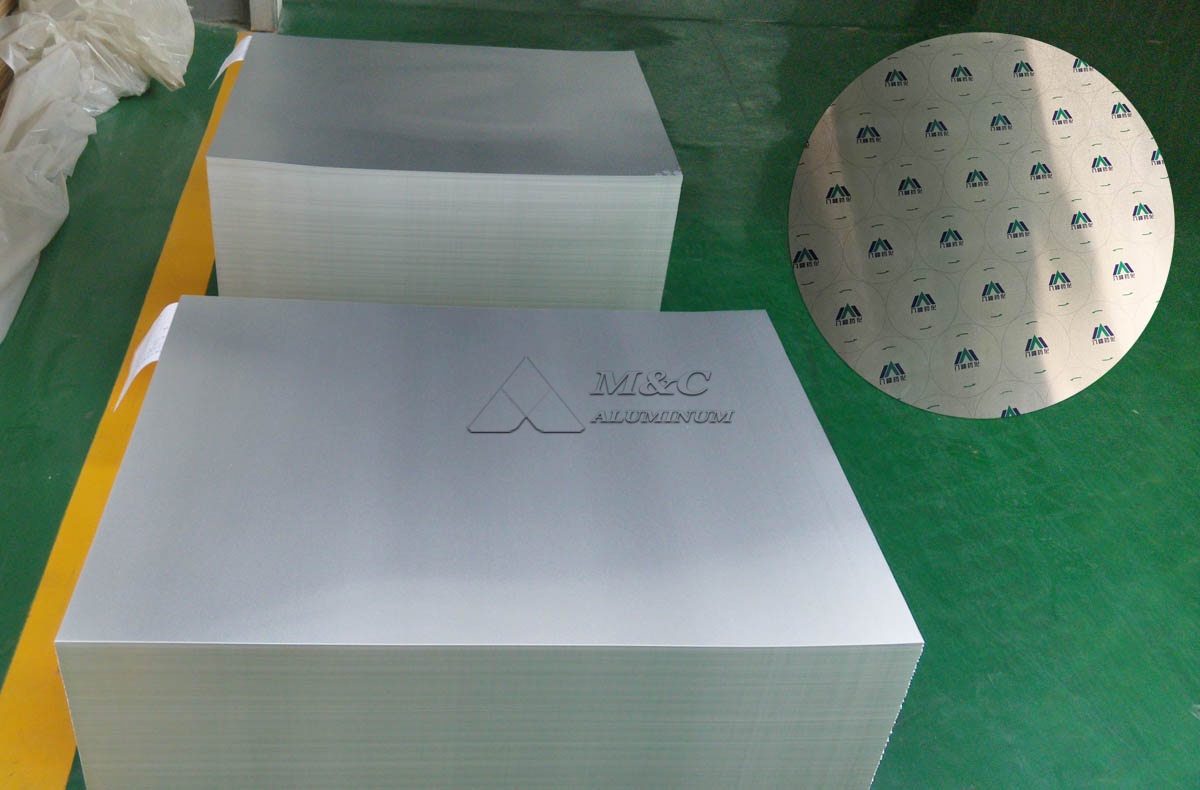
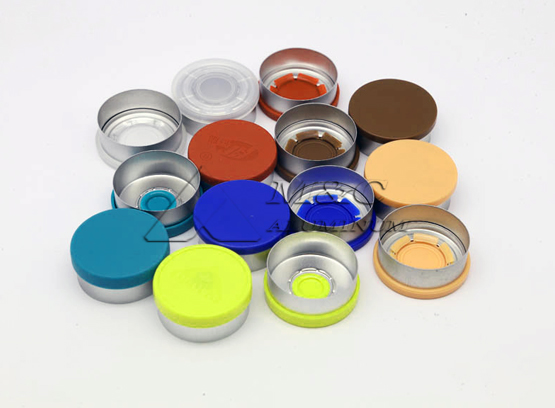
Among commonly used closure alloys, 3105 aluminum sheet for screw caps is widely applied in wine caps, spirits caps, beverage caps, pharmaceutical closures, and cosmetic packaging. Its balanced combination of strength, ductility, corrosion resistance, and coating adaptability makes it a practical choice for large-scale cap manufacturing.
Why 3105 Alloy Is Used for Screw Caps
3105 is an Al-Mn series alloy with a moderate magnesium content. In closure applications, this composition provides a useful balance between mechanical strength and processing flexibility. Compared with softer aluminum grades, 3105 offers better strength retention after subsequent coating and forming steps. Compared with higher-strength alloys, it remains easier to draw and shape into cap shells without excessive risk of cracking.
From a manufacturing perspective, 3105 aluminum closure sheet is suitable for high-speed cap lines because it supports:
Stable blanking and shell forming
Good resistance to earing during drawing
Consistent behavior in rolling thread formation
Good adhesion for paint and printing systems
Reliable performance in sterilization, storage, and transport environments
For screw caps, especially ROPP caps and similar threaded closures, the material must withstand deformation during forming while maintaining enough strength to preserve dimensional accuracy. This is one of the key reasons why 3105 remains a standard bottle cap aluminum sheet alloy in the closure industry.
Typical Applications of 3105 Aluminum Closure Sheet
We supply 3105 aluminum sheet for screw caps for a wide range of closure systems. Depending on thickness, temper, lubrication, and coating route, the same alloy can serve multiple end uses.
Typical applications include:
Wine bottle screw caps
Spirits and liquor caps
Non-carbonated beverage closures
Pharmaceutical bottle closures
Cosmetic and personal care caps
Pilfer-proof aluminum caps
ROPP closure stock
In these applications, the closure sheet must meet strict requirements for gauge tolerance, flatness, surface cleanliness, and coil consistency. Since cap forming is a high-speed stamping process, even small variations in sheet quality can affect shell geometry, scrap rate, or decoration quality.
Main Properties of 3105 Bottle Cap Aluminum Sheet
As a factory, we focus on the properties that directly affect cap production efficiency and end-use reliability. The key technical characteristics of 3105 aluminum closure stock include the following.
1. Good Formability
Closure shells and threads require multi-step deformation. 3105 alloy can maintain good ductility after rolling and annealing, which supports smooth stamping and drawing.
2. Suitable Strength Level
Screw caps need enough strength to retain their shape after knurling, threading, and capping. 3105 offers better strength than very soft alloys while still remaining processable.
3. Excellent Surface for Coating and Printing
Decorative quality is essential in beverage and spirits packaging. We control surface cleanliness, roughness, and flatness to support interior coating, exterior painting, and high-quality printing.
4. Corrosion Resistance
Closure material may be exposed to humidity, storage fluctuations, acidic vapors, and contact with different packaging systems. The corrosion resistance of 3105 contributes to stable long-term performance.
5. Consistent Coil Performance
For cap makers, the real value of a closure sheet is not only alloy chemistry, but also coil-to-coil consistency. Uniform mechanical properties and dimensional control help maintain production stability.
Typical Technical Parameters
The exact specification of 3105 aluminum closure sheet for screw caps depends on cap design, tooling conditions, and coating route. Below is a typical parameter range used in industrial production.
| Item | Typical Range / Condition |
|---|---|
| Alloy | 3105 |
| Temper | H14, H16, H24, customized upon application |
| Thickness | 0.15 mm - 0.30 mm |
| Width | 200 mm - 1500 mm |
| Coil inner diameter | 405 mm, 505 mm, or as required |
| Surface finish | Mill finish, degreased, coated base stock |
| Tensile strength | Approx. 150 - 210 MPa |
| Yield strength | Approx. 130 - 180 MPa |
| Elongation | Approx. 2% - 8%, depending on temper and gauge |
| Earing control | Suitable for cap shell drawing applications |
| Lubrication condition | Dry or lightly lubricated as required |
| Coating compatibility | Suitable for interior protective coatings and exterior decorative coatings |
| Typical application | ROPP caps, wine caps, spirits caps, pharmaceutical screw caps |
| Supply form | Coil, slit coil, sheet |
The data above are representative industrial values rather than a single fixed standard. In actual production, we match temper and thickness to customer tooling, shell depth, and line speed requirements.
Manufacturing Control for Closure Stock
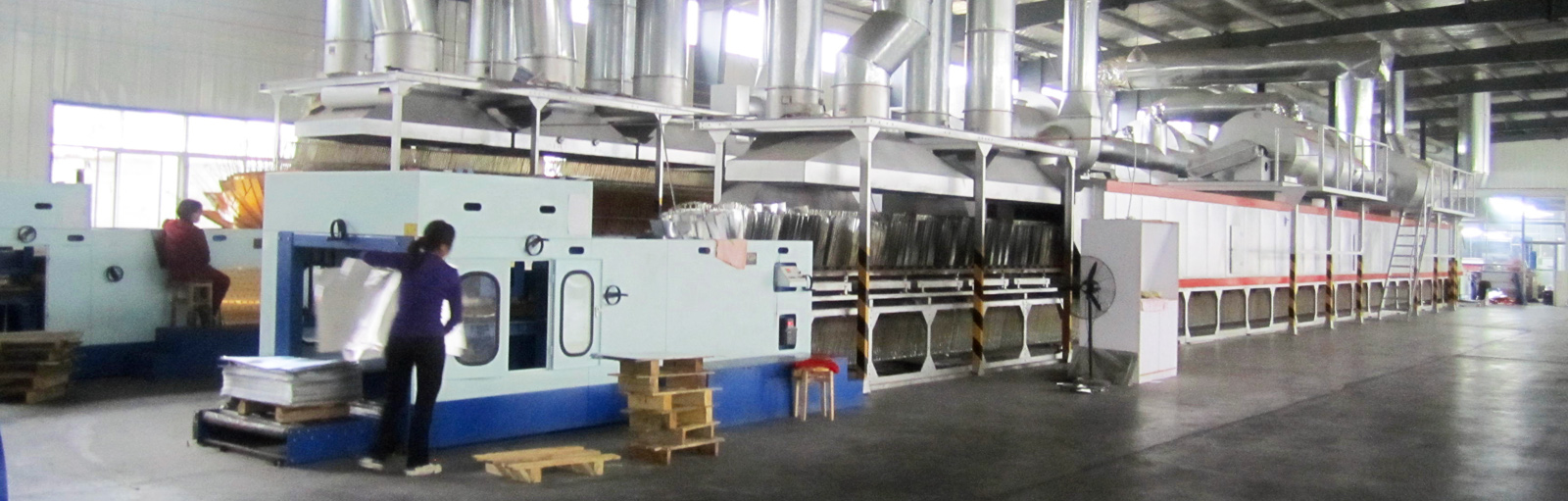
The performance of 3105 bottle cap aluminum sheet depends heavily on process control. As a producer, we do not treat closure stock as a general-purpose sheet product. It is manufactured with specific attention to cap forming requirements.
Alloy Melting and Composition Control
The first step is stable chemical composition. Tight control of manganese, magnesium, iron, and silicon is necessary to maintain both strength and formability. Excessive variation in minor elements can affect grain structure, coating response, and forming behavior.
Hot Rolling and Cold Rolling
Rolling schedule design directly influences thickness accuracy, flatness, and internal structure. During hot rolling and subsequent cold rolling, we control reduction ratio, rolling tension, and surface condition to produce closure stock with stable geometry and clean surface characteristics.
Intermediate Annealing and Final Temper Control
For 3105 aluminum sheet for screw caps, temper must align with end-use forming conditions. If the material is too hard, cracking or poor thread formation may occur. If it is too soft, dimensional stability and cap integrity may be affected. Final temper control is therefore one of the most important parts of production.
Surface Preparation
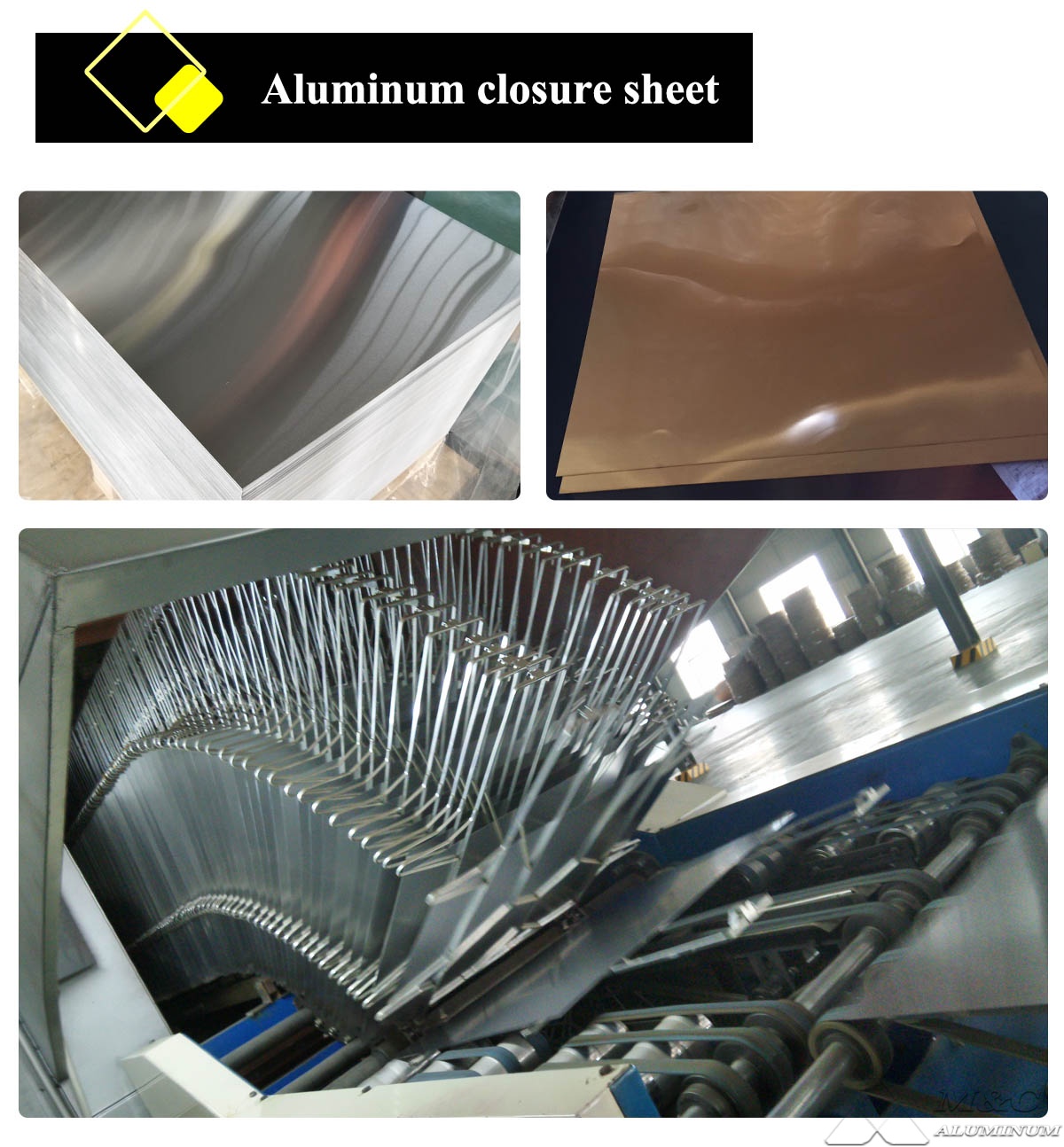
A closure sheet intended for painting or printing must have a suitable substrate surface. We control rolling oil residue, surface defects, waviness, and edge quality so that the material enters the coating line in a stable condition.
Key Quality Requirements for Screw Cap Production
Customers who process 3105 aluminum closure sheet usually focus on a set of practical quality indicators. From our production experience, the following points are the most critical.
Gauge Tolerance
High-speed blanking and shell forming require tight thickness consistency. Variation in gauge can cause unstable shell height, inconsistent thread performance, or excessive die wear.
Flatness
Poor flatness affects feeding stability and shell geometry. Closure stock must remain flat enough for precise punching and transfer through automatic cap forming equipment.
Surface Quality
The sheet surface must be free from scratches, roll marks, oil stains, inclusions, and other defects that can appear after coating or printing. For premium spirits and wine caps, decorative quality is especially important.
Mechanical Uniformity
Uneven hardness across the coil width or along the coil length can create production instability. Uniform mechanical properties reduce scrap and improve line efficiency.
Edge Quality
Clean slit edges help avoid feeding problems and reduce the risk of damage during unwinding and stamping.
3105 vs Other Aluminum Alloys for Closures
In practice, cap manufacturers may compare 3105 with alloys such as 8011, 1060, or 5052 depending on closure type and performance target. As a general observation:
3105 aluminum closure sheet offers a balanced combination of strength and formability.
8011 is also widely used in closure applications and may be selected where process habits or local standards favor it.
1060 provides high ductility but lower strength, which may limit use in some threaded cap designs.
5052 has higher strength and corrosion resistance, but may not be necessary for standard screw cap structures and can be less economical for some cap lines.
For many wine and spirits closures, 3105 remains a practical alloy when the objective is stable high-speed forming, good coating performance, and reliable finished cap strength.
How We Match Material to Customer Cap Lines
As a closure sheet manufacturer, we understand that the same nominal alloy may behave differently in different production environments. Tooling design, shell dimensions, draw ratio, coating bake cycle, and capping requirements all influence the final material selection.
For this reason, we typically confirm:
Cap type and dimensions
Required temper range
Sheet thickness and width
Coating or printing route
Lubrication preference
Mechanical property target
Coil weight and line compatibility
This approach allows us to supply 3105 aluminum sheet for screw caps that is aligned with actual factory conditions rather than only nominal specification values.
Industry Trends in Aluminum Closure Sheet
The market for aluminum closure stock continues to develop in several clear directions.
First, cap manufacturers increasingly require tighter coil consistency to support faster and more automated production lines. Second, premium packaging has raised expectations for surface appearance and print quality. Third, sustainability targets are driving broader use of aluminum packaging materials because aluminum is highly recyclable and well established in circular material systems.
At the same time, closure producers are paying more attention to lightweighting. This creates a need for thinner gauges without compromising formability or cap performance. In response, manufacturers of 3105 bottle cap aluminum sheet must improve metallurgical control, rolling precision, and temper stability.
Conclusion
3105 aluminum closure sheet for screw caps is an established material for wine caps, spirits caps, pharmaceutical closures, and other threaded aluminum packaging applications. Its value lies in a practical balance of formability, strength, corrosion resistance, and coating compatibility. For cap manufacturers, stable production depends not only on the alloy designation, but also on the consistency of rolling, annealing, surface preparation, and dimensional control.
As a manufacturer of bottle cap aluminum sheet, we produce 3105 closure stock with attention to the actual requirements of downstream cap forming. By combining alloy control, rolling precision, and application-based temper adjustment, we aim to deliver material that performs reliably in high-speed screw cap production.


Applications
-
Advisory Message
Alloy Grade Thickness, Application, etc.
-
Quick Reply
Quick reply within 30 minutes
-
Getting Information
One-to-one design and customized production plan