- Address:Zhengzhou, Henan, China
- Mon-Fri (8am - 6pm)
- sales@alummc.com

8011 Double-Sided Painted Aluminum Foil Coil for Flip-Off Tear Caps
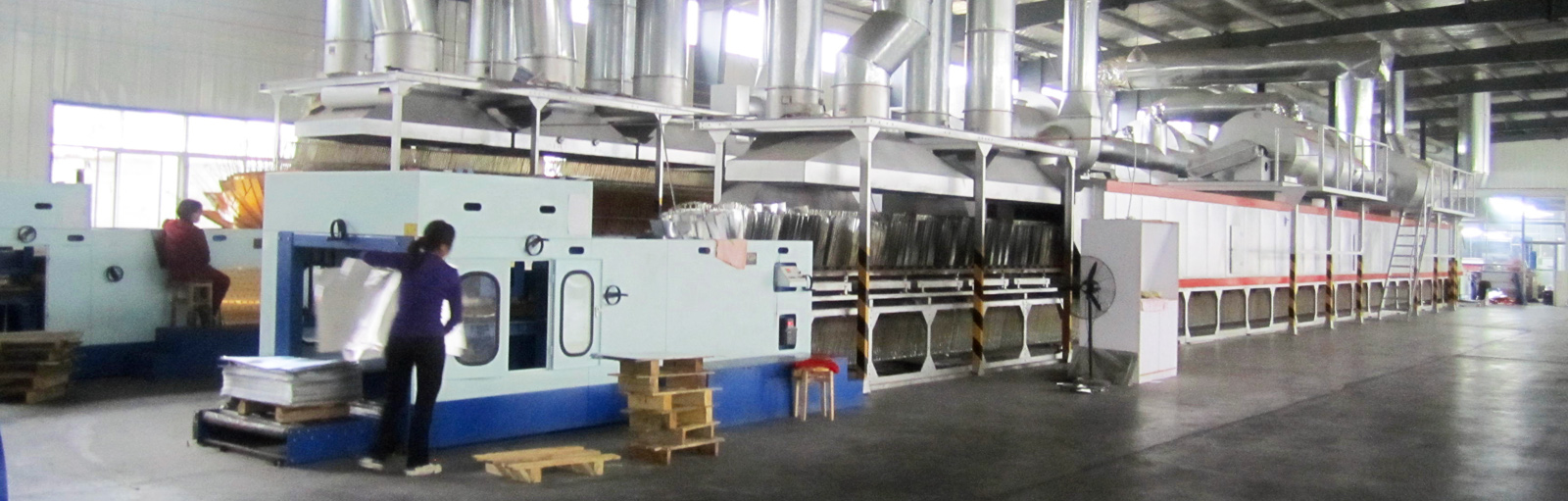
As an aluminum rolling and coating manufacturer, we produce 8011 double-sided painted aluminum foil coil for flip-off tear caps used in pharmaceutical, medical, and healthcare packaging. This material is not a general decorative foil. It is a precision cap stock that must combine stable mechanical strength, controlled tear performance, uniform paint adhesion, clean surfaces, and reliable forming behavior during high-speed cap production.
Flip-off tear caps usually include an aluminum tear-off component combined with a plastic button or other closure structure. During application, the aluminum part must be deep drawn or formed, scored, riveted, assembled, sterilized, and finally opened by the end user without generating unsafe burrs or uncontrolled tearing. For this reason, the base alloy, rolling quality, temper, coating structure, and slitting accuracy all directly influence the performance of the finished cap.
Why 8011 Alloy Is Used for Flip-Off Tear Caps
8011 aluminum alloy is widely selected for pharmaceutical cap aluminum foil because it provides a good balance between strength, formability, corrosion resistance, and surface processability. Compared with soft packaging foil grades, 8011 for caps is usually supplied in a controlled hard or semi-hard temper, such as H14 or H16, depending on the drawing depth and tear requirements of the cap design.
The Fe and Si content in 8011 helps improve strength and processing stability. Through controlled casting, homogenization, cold rolling, and final annealing, we obtain a fine and uniform structure suitable for coating and cap forming. For flip-off tear caps, excessive softness may cause deformation during assembly, while excessive hardness may lead to cracking at the skirt or tear line. Therefore, the temper must be matched with the customer's tooling and cap geometry.
As a factory, we pay particular attention to batch consistency. Pharmaceutical closure production lines often operate at high speed, and even small fluctuations in tensile strength, elongation, thickness, or coating friction can cause feeding instability, punching defects, or inconsistent tear behavior. Our production control is designed to keep these parameters within a practical working window.
Double-Sided Painted Structure
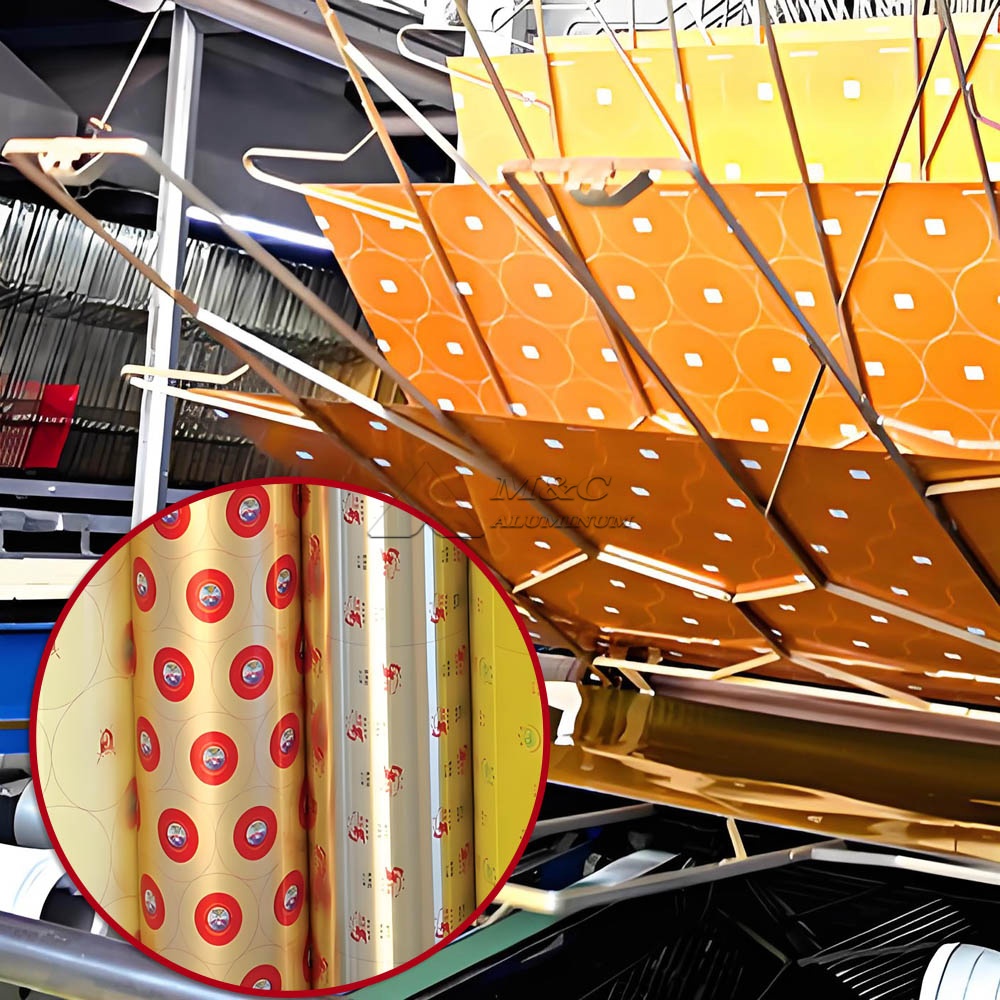
The term double-sided painted aluminum foil coil refers to an aluminum foil or thin strip coated on both sides. For flip-off tear caps, the outer surface generally carries the visible color required for product identification, branding, or dosage differentiation. The inner surface may use a protective clear lacquer, colored lacquer, or functional coating according to the cap design and compatibility requirements.
A typical structure includes:
Outer topcoat for color, gloss, and abrasion resistance.
Primer or bonding layer to improve adhesion to the aluminum substrate.
Aluminum 8011 base foil with controlled temper and thickness.
Inner protective coating to prevent corrosion and improve processing stability.
The coating system must withstand forming, sterilization conditions, transportation friction, and contact with other cap components. Good paint flexibility is essential because the aluminum is deformed during stamping and cap forming. If the coating is too brittle or the curing condition is unsuitable, cracks, flaking, or whitening may occur after forming.
Main Technical Parameters
The following table shows common technical ranges for 8011 double-sided painted aluminum foil coil used for flip-off tear caps. Final specifications should be confirmed according to the cap size, forming depth, scoring design, sterilization method, and customer standard.
| Item | Typical Specification |
|---|---|
| Alloy | 8011 |
| Temper | H14, H16, or customized temper |
| Thickness | 0.15 mm to 0.25 mm, commonly 0.18 mm to 0.22 mm |
| Width | Slit coil according to cap production line, commonly 100 mm to 1000 mm |
| Coating type | Double-sided polyester, epoxy, or modified protective lacquer |
| Outer color | White, red, blue, green, gold, silver, or customized color |
| Inner coating | Clear, white, or functional protective lacquer |
| Coating thickness | 3 um to 8 um per side, depending on system |
| Tensile strength | Typically 125 MPa to 170 MPa, depending on temper |
| Elongation | Generally 2% to 8%, depending on thickness and temper |
| Surface quality | Clean, smooth, free from oil stains, pinholes, bubbles, peeling, and severe scratches |
| Coil ID | 76 mm, 150 mm, 300 mm, or according to line requirements |
| Coil OD | Customized according to packing and handling requirements |
| Application | Flip-off tear caps, pharmaceutical vial caps, medical bottle caps |
| MOQ | 1-3 tons |
These figures are reference ranges based on our manufacturing experience. For regulated pharmaceutical packaging, additional requirements such as extractables, heavy metal limits, migration performance, sterilization resistance, and customer-specific testing can be evaluated with the coating system supplier and closure manufacturer.
Manufacturing Process in Our Plant
Our production of 8011 painted aluminum foil coil begins with qualified aluminum melt preparation and casting. The chemical composition is controlled to meet the target 8011 alloy range. After casting, the material passes through hot rolling or cast-rolling routes, followed by cold rolling to the required gauge. Intermediate annealing and final temper control are arranged according to the mechanical property target.
Before painting, the aluminum surface must be properly cleaned and pretreated. Residual rolling oil, aluminum powder, or surface contamination will reduce coating adhesion and may cause defects during later forming. We use controlled degreasing, surface activation, coating application, curing, and inspection steps to ensure stable paint performance.
After coating, the coil is slit to the required width. Slitting quality is particularly important for aluminum foil coil for caps because burrs, edge waves, or telescoping may interfere with automatic cap production. We monitor edge condition, winding tension, coil alignment, and surface protection throughout the slitting and packaging process.
Requirements for Cap Forming and Tearing Performance
Flip-off tear caps have stricter functional requirements than many ordinary aluminum closures. The cap must be strong enough to protect the vial or bottle seal, but it must also tear predictably when opened. The aluminum part may contain bridges, tear lines, embossed zones, or weakened areas depending on the cap design.
The base metal affects this performance in several ways. A stable thickness helps ensure uniform tearing force. Proper temper reduces the risk of cracking during deep drawing while maintaining enough rigidity after forming. Uniform grain structure improves deformation consistency across the coil width and length. Surface coating also plays a role because it changes friction during stamping and can influence the appearance of the torn edge.
When customers develop a new flip-off tear cap, we recommend trial verification with the actual mold, lubricant, line speed, sterilization process, and assembly equipment. Laboratory tensile data are necessary, but they cannot fully replace production-line forming tests. Our technical team can adjust thickness, temper, coating type, color, and surface finish according to test feedback.
Coating Quality and Color Control
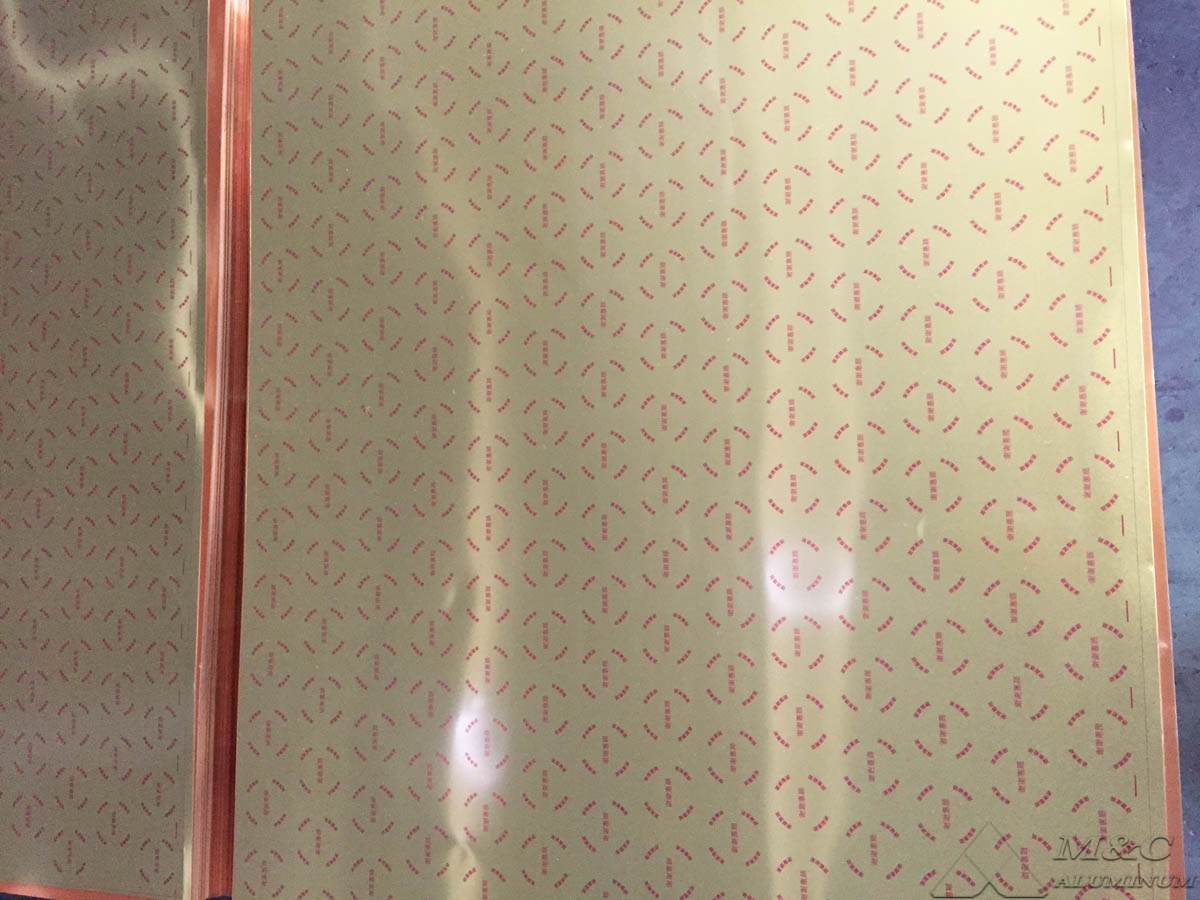
For double-sided painted aluminum foil, coating uniformity is one of the key quality points. The coating must have suitable adhesion before and after forming. We perform cross-hatch adhesion checks, solvent resistance evaluation, rubbing resistance tests, and visual inspection according to the agreed standard.
Color stability is also important in pharmaceutical packaging. Different cap colors may identify different products, dosages, or markets. We control color by approved color samples and color difference limits. For metallic colors or high-gloss surfaces, gloss and appearance consistency are checked carefully because minor surface variations may be more visible after cap forming.
The inner coating is usually less visible, but it is equally important. It helps protect the aluminum from corrosion and supports clean forming. Depending on the application, the inner coating may need to resist steam sterilization, dry heat, alcohol wiping, or contact with rubber stoppers and other packaging components.
Surface Cleanliness and Defect Control
Cleanliness is a core requirement for pharmaceutical cap aluminum foil. Surface defects that may be acceptable in some industrial applications are not suitable for medical closure production. During manufacturing, we focus on preventing oil marks, black spots, loose coating particles, pinholes, bubbles, roll marks, and severe scratches.
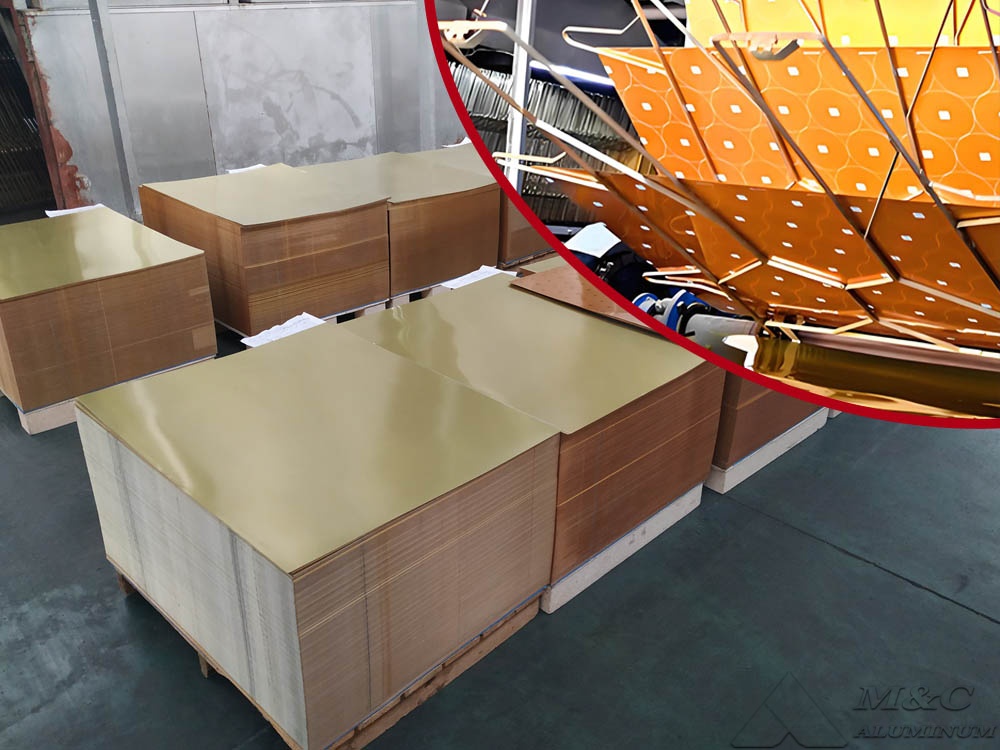
Coil handling is also controlled to prevent secondary damage. Painted aluminum is more sensitive to friction than bare aluminum. Improper winding tension can create pressure marks or blocking between layers. Excessive looseness may cause coil shifting during transport. We use appropriate interleaving, moisture-proof packaging, and controlled coil stacking to protect the painted surface.
For export orders, packaging is designed for long-distance sea or land transportation. Moisture protection, wooden pallet strength, edge guards, and clear coil identification are included as standard factory control items.
Comparison with Other Closure Aluminum Materials
8011 is not the only alloy used in closure production. Alloys such as 3105 and 5182 are also used for different bottle cap applications. However, for flip-off tear caps requiring thin gauge, stable forming, and controlled tear behavior, 8011 painted aluminum foil coil remains a practical and widely accepted choice.
3105 aluminum closure sheet is often used for beverage caps, wine caps, and some pilfer-proof closures where higher thickness and specific forming performance are required. 8011 is more commonly selected when the product design needs thinner cap stock and good paintability. The final choice should be based on cap structure, production equipment, opening force, sterilization conditions, and regulatory requirements.
Quality Inspection Before Shipment
As a manufacturer, we inspect both the aluminum substrate and the coated finished coil. The inspection plan generally includes chemical composition, thickness tolerance, width tolerance, tensile strength, elongation, surface appearance, coating adhesion, color difference, gloss, coating thickness, and winding condition.
For customers with pharmaceutical packaging standards, additional documentation can be prepared according to the order agreement, such as material certificate, coating declaration, inspection report, and packing list. Traceability is maintained from raw material batch to finished coil batch, which supports customer audits and quality investigation if needed.
Development Trends in Painted Aluminum Foil for Caps
The flip-off tear cap market is developing toward more stable processing, better visual identification, and stricter safety requirements. In our factory, we see increasing demand for low-defect painted surfaces, tighter color difference control, more reliable coating adhesion after sterilization, and customized slit widths for high-speed automated lines.
Another trend is the use of more environmentally responsible coating systems. Customers are paying greater attention to solvent control, low odor, food and pharmaceutical contact compliance, and production sustainability. Aluminum remains attractive because it is lightweight, recyclable, and suitable for precise forming. With improved rolling and coating technology, 8011 aluminum foil coil can continue to meet the functional and quality requirements of modern medical closures.
Conclusion
8011 double-sided painted aluminum foil coil for flip-off tear caps is a specialized material that requires coordinated control of alloy composition, rolling temper, coating adhesion, color uniformity, surface cleanliness, and slitting accuracy. As an aluminum processing manufacturer, we produce this material with a focus on stable forming performance, predictable tear behavior, and reliable appearance for pharmaceutical and medical cap applications.
For successful cap production, material selection should be based not only on alloy name, but also on the complete technical package, including thickness, temper, coating system, mechanical properties, surface quality, and compatibility with the customer's tooling and sterilization process. A well-controlled 8011 painted aluminum foil coil helps closure manufacturers improve production stability and deliver safe, consistent flip-off tear caps.


Applications
-
Advisory Message
Alloy Grade Thickness, Application, etc.
-
Quick Reply
Quick reply within 30 minutes
-
Getting Information
One-to-one design and customized production plan