- Address:Zhengzhou, Henan, China
- Mon-Fri (8am - 6pm)
- sales@alummc.com

Premium 3105-H16 Aluminum Sheet, Ideal for Bottle Cap Stamping Blanks
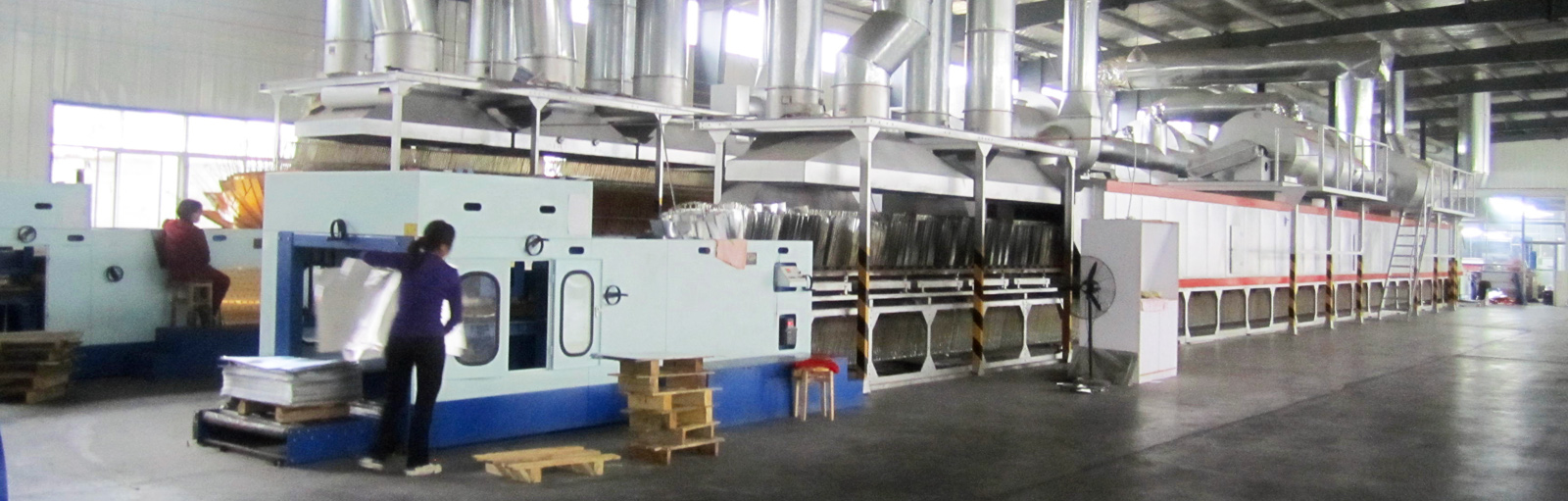
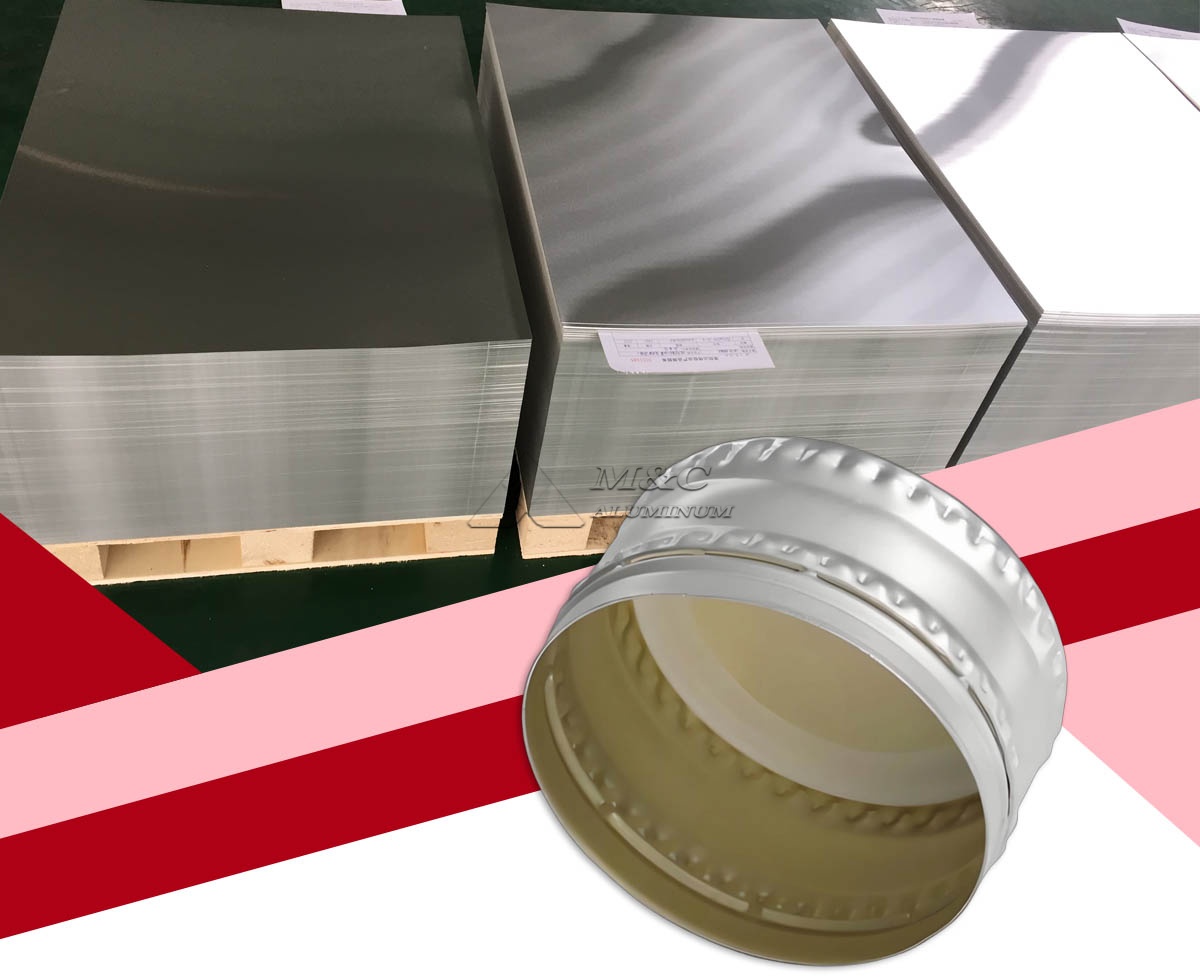
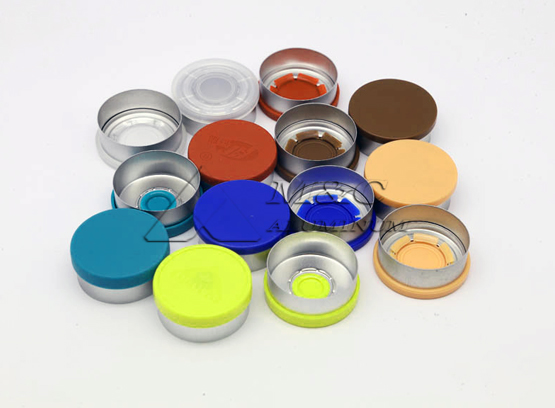
As a manufacturer of bottle cap aluminum sheet, we produce 3105-H16 aluminum sheet for closure converters requiring consistent stamping performance, clean surface quality, and reliable post-processing behavior. This alloy and temper combination is widely used for bottle cap stamping blanks, including ROPP caps, screw caps, wine closures, spirits closures, pharmaceutical vial seals, and selected beverage closure components.
Our 3105-H16 aluminum closure sheet is manufactured through controlled casting, hot rolling, cold rolling, intermediate annealing, tension leveling, slitting, and inspection processes. The objective is not simply to supply aluminum coil or sheet. It is to provide a stable stamping substrate that performs predictably through blanking, deep drawing, knurling, threading, printing, coating, and liner application.
Why 3105-H16 Is Suitable for Bottle Cap Stamping
Alloy 3105 is an aluminum-manganese alloy with a controlled magnesium addition. Compared with commercially pure aluminum grades, it offers improved strength while retaining the formability needed for closure shell production. In the H16 temper, the material has a balanced degree of work hardening that supports dimensional stability during high-speed stamping without becoming excessively rigid during forming.
For bottle cap manufacturers, this balance is important. Closure shells must maintain a smooth skirt, well-defined top profile, clean thread formation, and adequate resistance to handling damage. At the same time, the material must avoid excessive earing, cracking, orange peel, or wrinkling during multi-stage forming operations.
Our 3105-H16 aluminum sheet is designed to support the following performance requirements:
Stable blanking and stamping behavior on automatic closure presses.
Sufficient strength for cap shell rigidity and transportation handling.
Good drawability for skirts, shoulders, and rolled edges.
Uniform surface quality for printing, lacquer coating, and decorative finishing.
Consistent thickness and flatness for dependable die performance.
Good corrosion resistance in typical closure processing and storage conditions.
Compatibility with food-contact coating systems when processed with suitable approved coatings.
Technical Parameters of 3105-H16 Aluminum Closure Sheet
The following table presents typical production parameters for our 3105-H16 aluminum sheet for bottle caps. Final values can be controlled according to the closure design, stamping equipment, coating route, and agreed technical specification.
| Item | Typical Specification | Notes |
|---|---|---|
| Alloy | AA 3105 | Aluminum-manganese-magnesium alloy |
| Temper | H16 | Strain-hardened temper, commonly used for closure applications |
| Thickness | 0.18-0.30 mm | Common closure thickness range; other gauges available by agreement |
| Width | 200-1,300 mm | Slit coil widths supplied according to stamping blank layout |
| Coil Inner Diameter | 405 mm or 505 mm | Selected to match customer decoiling equipment |
| Coil Outer Diameter | Up to 2,000 mm | Subject to width, thickness, and coil weight requirements |
| Coil Weight | 2-8 metric tons | Adjustable for press line handling capacity |
| Tensile Strength | 145-185 MPa | Controlled according to final temper and application |
| Yield Strength | 125-165 MPa | Typical range for closure-grade H16 material |
| Elongation | 3-8 percent | Evaluated according to applicable testing method and gauge |
| Surface | Mill finish, chemically treated, or pre-coated | Available for different printing and coating routes |
| Flatness | Controlled tension-leveled condition | Important for feeding, printing, and stamping stability |
| Edge Condition | Trimmed or slit edge | Burr level controlled for downstream blanking |
| Standard References | EN, ASTM, JIS, or customer specification | Material supplied against agreed inspection requirements |
Chemical Composition and Alloy Characteristics
The composition of 3105 aluminum is controlled to provide strength, corrosion resistance, and stable processing characteristics. Manganese is the principal strengthening element, while magnesium contributes to mechanical performance. Iron and silicon are controlled to maintain suitable surface and forming behavior.
| Element | Typical 3105 Alloy Limit, Percent by Weight |
|---|---|
| Silicon, Si | 0.60 max |
| Iron, Fe | 0.70 max |
| Copper, Cu | 0.30 max |
| Manganese, Mn | 0.30-0.80 |
| Magnesium, Mg | 0.20-0.80 |
| Zinc, Zn | 0.40 max |
| Other Elements | 0.05 each, 0.15 total max |
| Aluminum, Al | Balance |
From a manufacturing perspective, alloy composition alone does not determine closure performance. Casting quality, homogenization, rolling reduction schedule, annealing practice, lubrication control, and final leveling all influence the behavior of bottle cap stamping blanks. We therefore maintain process controls from molten metal preparation through final coil packing.
Manufacturing Process for Bottle Cap Aluminum Sheet
Our production route for 3105 aluminum closure sheet is developed around the requirements of closure stamping operations. Each stage contributes to material consistency and surface reliability.
1. Melt Preparation and Casting
We begin with controlled alloying and melt treatment to achieve the required 3105 composition. Refining and filtration help reduce inclusions that could affect rolling quality, surface appearance, or coating continuity. The cast slab is inspected before entering the rolling process.
2. Hot Rolling and Cold Rolling
After homogenization, the slab is hot rolled to an intermediate gauge and then cold rolled through a controlled reduction sequence. Rolling parameters are managed to achieve stable thickness, suitable grain structure, and a uniform surface. For bottle cap aluminum sheet, thickness consistency is especially important because variation can influence blank weight, draw depth, thread definition, and tooling wear.
3. Annealing and Temper Control
The H16 temper is produced through controlled cold-work reduction after annealing. Our process engineers adjust the rolling route according to the required mechanical properties and forming characteristics. The goal is to deliver a 3105-H16 aluminum sheet that has sufficient hardness for cap rigidity while maintaining practical stamping and drawing performance.
4. Surface Treatment and Finishing
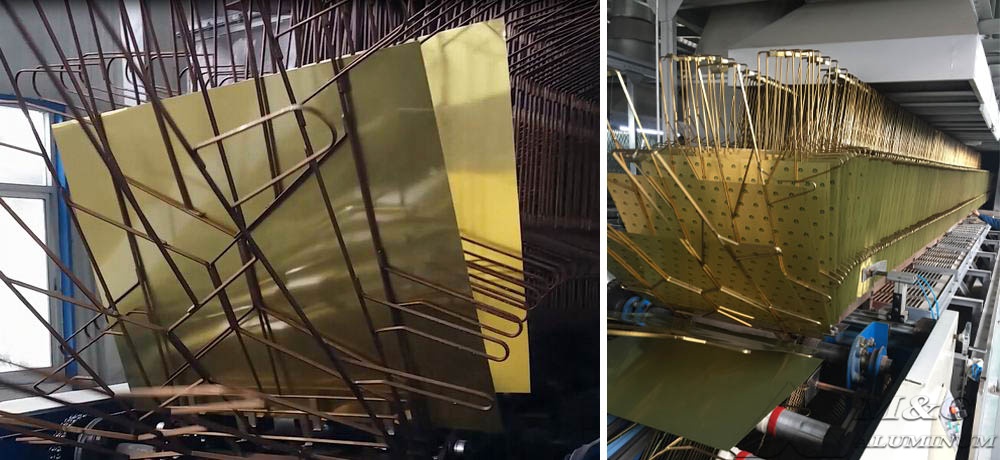
Depending on the intended decoration process, the aluminum closure sheet may be supplied in mill finish, with chemical pretreatment, or with a prepared surface for coating. Surface cleanliness and uniform wetting behavior are important for lacquer adhesion, ink transfer, and visual consistency after printing.
5. Slitting, Inspection, and Packaging
Coils are slit to the required width with attention to edge quality and coil winding condition. We inspect thickness, width, mechanical properties, surface condition, coil geometry, and packaging integrity. Export packing is selected to protect the material from moisture, contamination, and handling damage during transportation and storage.
Surface Quality for Printing and Coating
The appearance of a closure is part of the final product value, particularly for wine, spirits, beverage, and premium food packaging. For this reason, our aluminum sheet for bottle caps is produced with close attention to surface uniformity.
A suitable closure surface should support consistent base coating, color coating, varnishing, lithographic printing, embossing, and logo application. Common surface concerns include roll marks, oil streaks, scratches, pits, black spots, edge damage, and uneven gloss after coating. Our quality control process focuses on reducing such defects through rolling cleanliness, roll management, lubrication control, tension leveling, and visual inspection.
For pre-coated aluminum closure sheet, coating selection should be matched to the customer process. This includes curing temperature, printing method, forming severity, intended product contact conditions, and resistance requirements for pasteurization or refrigerated storage where applicable.
Performance in Closure Manufacturing
3105-H16 aluminum sheet is particularly suitable for stamping blank applications where converters require a material that can move efficiently through a standard closure manufacturing sequence. In a typical process, the coil is decoiled, lubricated where needed, blanked into discs, drawn into shell form, trimmed, decorated, threaded or knurled, lined, and inspected.
During these stages, material consistency helps reduce production interruption. Stable mechanical properties support more predictable press settings, while good flatness assists coil feeding and blank positioning. Controlled surface quality also supports printing yield and coating adhesion.
For ROPP cap material, the relationship between strength and formability is critical. The cap must be formed into a shell with enough stiffness to protect the package and maintain shape, yet the skirt must remain formable enough to produce clean pilfer-proof bands and thread profiles during capping. Our 3105-H16 aluminum closure sheet can be specified according to the particular cap diameter, skirt height, and tooling design.
Quality Control and Traceability
As a factory, we integrate quality control into the production process rather than limiting inspection to the finished coil. Our control plan may include chemical analysis, thickness measurement, width verification, tensile testing, elongation testing, surface inspection, flatness evaluation, and coil appearance checks.
Material identification and batch traceability are maintained throughout production and shipment. This allows key production data to be linked with the finished bottle cap aluminum sheet, supporting consistent procurement and technical review for repeat orders.
We also recognize that closure stamping performance depends on the interaction between the material and the customer's equipment. When required, we can align specifications for gauge tolerance, coil width, hardness range, surface condition, and packaging configuration with the customer's press line and cap design.
Selecting the Right 3105-H16 Specification
The most suitable 3105-H16 aluminum sheet specification depends on more than alloy and temper. Before production, the following factors should be considered:
Cap type, including ROPP, screw cap, beverage closure, or pharmaceutical seal.
Cap diameter, shell height, and skirt geometry.
Required blank diameter and nesting layout.
Stamping press speed and die design.
Decoration route, including offset printing, dry offset printing, coating, or embossing.
Need for internal lacquer, external coating, or special surface pretreatment.
Coil dimensions accepted by the customer's decoiling and feeding equipment.
Mechanical property targets based on forming severity.
By defining these requirements at the start, we can manufacture bottle cap stamping blanks with a more appropriate balance of strength, forming performance, surface quality, and processing efficiency.
Conclusion
Premium 3105-H16 aluminum sheet is a practical and established material choice for bottle cap stamping blanks. Its combination of moderate strength, controlled formability, corrosion resistance, and coating compatibility makes it suitable for a wide range of aluminum closure applications.
With more than a decade of aluminum processing experience, we manufacture 3105 aluminum closure sheet through controlled rolling and finishing processes focused on the requirements of cap converters. From alloy composition and temper control to surface inspection and coil packaging, our production approach is designed to provide dependable material for efficient bottle cap manufacturing.


Applications

Related Articles
- Aluminum Bottle Caps Sheet: Common Alloys and Applications
- 8011 O Temper Aluminum Foil for Sealing PET/PE Yogurt Cups
- Heat-Sealable Aluminum Foil for Yogurt Cups
- Bottle Cap Aluminum Sheet With Excellent Stamping Performance
- 1060 H24 stamped aluminum sheet for aluminum anti-theft bottle cap
- 8011/1060 aluminum stripfor medicinal injection bottle caps
-
Advisory Message
Alloy Grade Thickness, Application, etc.
-
Quick Reply
Quick reply within 30 minutes
-
Getting Information
One-to-one design and customized production plan