- Address:Zhengzhou, Henan, China
- Mon-Fri (8am - 6pm)
- sales@alummc.com

Deep Drawing Aluminum Sheet for Crown Caps
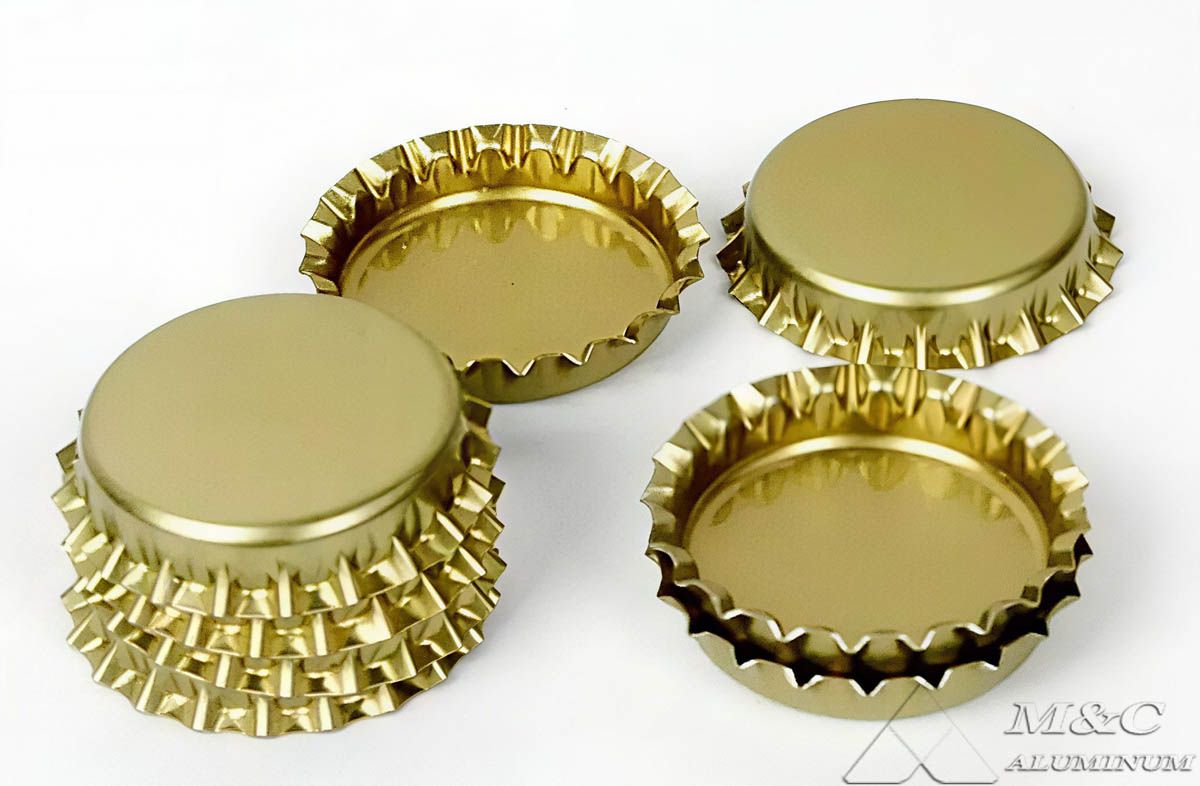
Crown caps remain a widely used closure format for beer, carbonated beverages, mineral water, juice, and selected food products. Their performance depends not only on cap design and lining compound, but also on the consistency of the metal used during stamping, drawing, corrugating, coating, and printing. As a manufacturer of bottle cap aluminum sheet, we produce deep drawing aluminum sheet for crown caps with controlled chemical composition, temper, thickness tolerance, surface condition, and coil geometry.
For crown cap converters, the material must combine sufficient strength with reliable formability. During high-speed press operations, the aluminum sheet is blanked into discs, drawn into shells, and formed with corrugations around the skirt. Any instability in mechanical properties, lubrication condition, or surface quality can lead to tearing, wrinkling, uneven corrugations, coating defects, or excessive tooling wear. Our production process is designed to reduce these risks before the coil reaches the cap-making line.
What Is Deep Drawing Aluminum Sheet for Crown Caps?
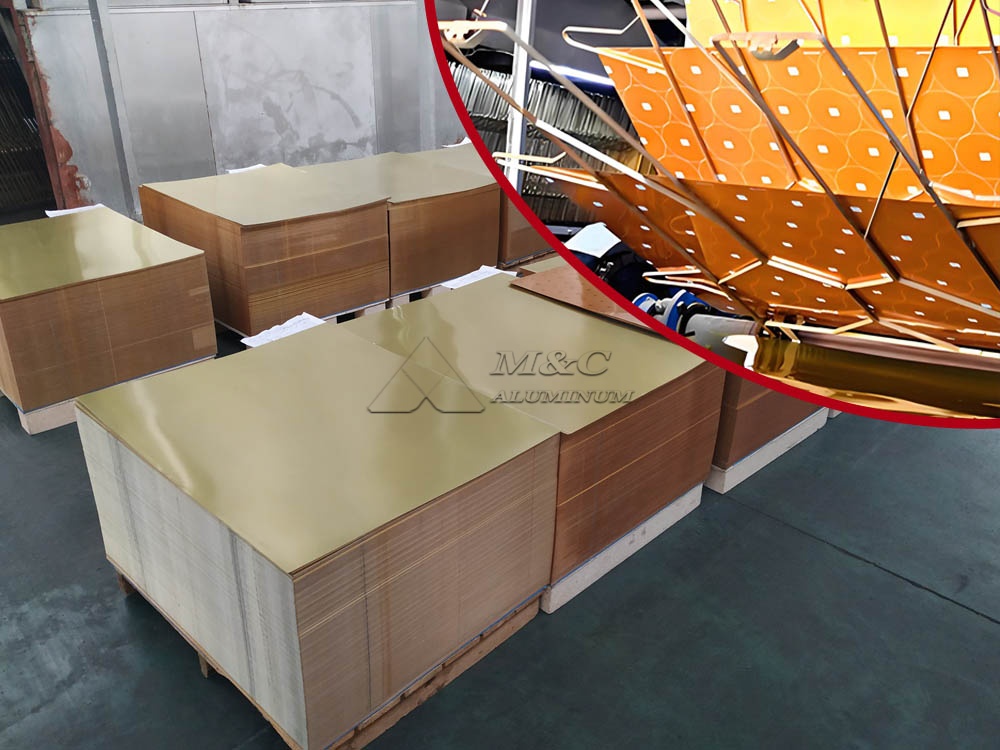
Deep drawing aluminum sheet for crown caps is a thin-gauge aluminum alloy sheet engineered for the forming requirements of metal crown closures. It is normally supplied in coils or sheets after rolling, annealing, trimming, surface treatment, and, where required, coating or printing preparation.
Unlike general-purpose aluminum sheet, crown cap aluminum sheet must perform consistently in a short, rapid forming cycle. The material is subjected to localized tensile and compressive stresses during shell drawing and corrugation forming. Therefore, stable elongation, controlled yield strength, uniform grain structure, and low surface roughness are important material characteristics.
In our factory, crown cap material is developed around the requirements of closure manufacturers. We evaluate each production batch not only by nominal thickness and alloy grade, but also by its response to downstream forming, coating adhesion, decorative printing, and food-contact application requirements.
Aluminum sheet for crown caps offers the following performance advantages
1.Excellent formability: High elongation makes the material suitable for stamping, deep drawing, and curling processes, minimizing the risk of cracking or deformation.
2.Strong corrosion resistance: A dense oxide layer forms on the surface, making it suitable for packaging environments involving beverages and food.
3.Lightweight: Low density helps reduce the overall weight of the bottle cap and lowers transportation costs.
4.Superior surface quality: The sheet surface is flat and clean, making it ideal for coating, printing, and other surface treatments.
5.Reliable sealing performance: Consistent forming characteristics ensure a secure fit and effective seal between the cap and the bottle mouth.
6.Suitability for food packaging: Aluminum alloys and surface treatments can be selected to meet specific food-contact safety requirements.
7.Ease of recycling: Aluminum has high recycling value, making it an excellent choice for sustainable packaging applications.
Common Alloys for Crown Cap Production
The selection of alloy depends on cap geometry, press speed, required hardness, coating system, and the end user's packaging conditions. 3105 aluminum sheet is widely used for aluminum closures because it provides a practical balance of strength, corrosion resistance, processability, and coating performance. Other alloys may be selected according to specific forming and product requirements.
| Alloy | Typical Characteristics | Suitability for Crown Caps |
|---|---|---|
| 3105 | Al-Mn alloy with moderate strength, good formability, and good coating response | Common choice for crown cap aluminum sheet and other closure products |
| 3004 | Higher strength than some 3xxx alternatives, with good forming behavior | Suitable for designs requiring increased rigidity or process stability |
| 8011 | Good formability and corrosion resistance, widely used in closure applications | Used for selected bottle cap and packaging closure specifications |
| 5052 | Higher magnesium content and improved strength | Applied when higher mechanical strength is required, subject to forming evaluation |
For most conventional crown cap applications, 3105 aluminum closure sheet is selected in an appropriate temper to provide stable deep drawing performance. The final alloy-temper combination should be matched to the customer's cap profile, press tooling, coating route, and liner process.
Technical Parameters of Our Crown Cap Aluminum Sheet
The following values represent commonly supplied ranges. Final specifications are confirmed according to the cap maker's drawing, forming trial results, and applicable product standards.
| Parameter | Typical Specification | Notes |
|---|---|---|
| Alloy | 3105, 3004, 8011, or agreed alloy | Selected according to forming and strength requirements |
| Temper | H14, H16, H18, H19, or customized temper | Temper is controlled for drawing and corrugation performance |
| Thickness | 0.18 mm to 0.30 mm | Common crown cap gauges are determined by cap design and stiffness needs |
| Width | 300 mm to 1,300 mm | Slit width available according to press feeding requirements |
| Coil inner diameter | 505 mm or 610 mm | Other dimensions available by agreement |
| Coil weight | 2 t to 8 t, typical | Determined by line capacity and handling equipment |
| Tensile strength | Approx. 150 MPa to 240 MPa | Depends on alloy, temper, and final thickness |
| Yield strength | Approx. 120 MPa to 210 MPa | Controlled to support stable forming |
| Elongation | Typically 2 percent to 8 percent | Evaluated according to temper and gauge |
| Surface finish | Mill finish, chemically treated, lacquered, or coated | Selected for printing, varnishing, or direct conversion |
| Thickness tolerance | Controlled to agreed specification | Uniformity supports consistent cap height and corrugation quality |
Manufacturing Process and Process Control
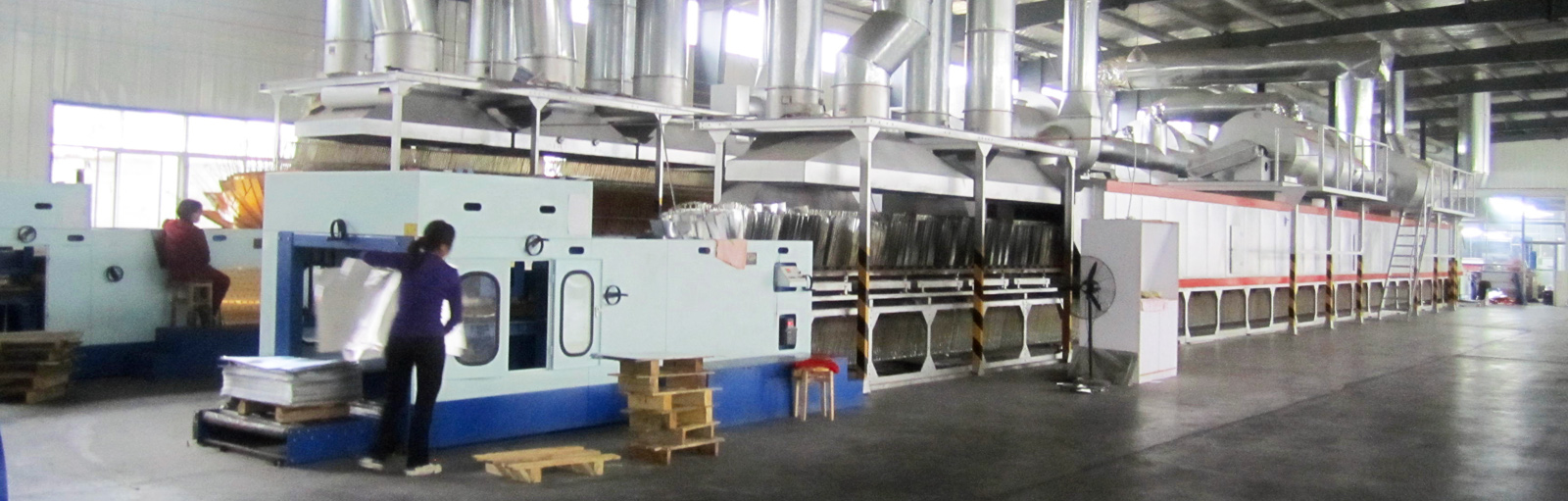
Our deep drawing aluminum sheet is manufactured through a controlled sequence of melting, casting, homogenization, hot rolling, cold rolling, intermediate annealing where required, final rolling, slitting, inspection, and packaging. Each stage influences the final performance of the crown cap material.
Alloy Preparation and Casting
We begin with controlled raw material selection and alloy adjustment. Chemical composition is managed to maintain the intended strength, corrosion resistance, and forming behavior. Cast slabs are homogenized to improve structural uniformity and prepare the material for subsequent rolling.
Rolling and Gauge Control
Hot rolling reduces slab thickness and establishes the basic metallurgical structure. Cold rolling then brings the material to the required gauge. For crown cap aluminum sheet, thickness consistency is especially important because even small variations can affect blanking behavior, drawing depth, cap wall uniformity, and crimping performance.
Our rolling control focuses on thickness profile, flatness, edge condition, and coil shape. Stable coil geometry supports smooth unwinding and feeding on high-speed cap production equipment.
Annealing and Temper Management
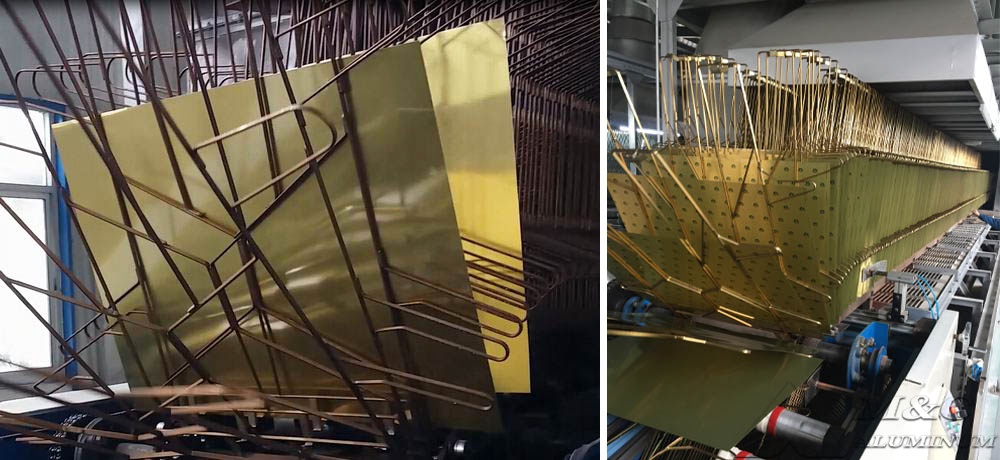
Temper is one of the most important variables in deep drawing aluminum sheet. Material that is too hard may crack during drawing or corrugating. Material that is too soft may cause unstable cap geometry, wrinkling, or poor resistance to deformation during filling and capping.
We control annealing parameters to achieve the required balance between strength and ductility. Mechanical properties are verified through tensile testing and process-based quality checks. Where customers have established press conditions, we can align material targets with their existing conversion process.
Surface Preparation and Coating Compatibility
The surface of aluminum sheet for crown caps must be clean, uniform, and suitable for lacquering, printing, and liner application. Residual rolling oil, excessive roughness, stains, scratches, or edge damage can affect decorative quality and coating adhesion.
Depending on the customer's production route, we can supply mill-finish material for in-house coating, chemically treated sheet for improved lacquer adhesion, or pre-coated aluminum closure sheet. The coating system should be chosen according to beverage type, pasteurization conditions, product acidity, and food-contact compliance requirements.
Key Quality Requirements for Crown Cap Forming
A reliable crown cap material is defined by more than its alloy designation. In our production and inspection work, we focus on the following properties.
Formability and Deep Drawing Stability
The sheet must withstand deformation without edge cracking or wall splitting. Appropriate elongation and controlled strength allow the crown shell to be drawn smoothly while preserving cap shape.
Corrugation Definition
Crown caps depend on evenly formed teeth around the skirt for proper application and removal. Consistent material thickness and hardness help produce uniform corrugations, reducing the risk of irregular cap engagement with the bottle finish.
Surface Quality
Crown cap surfaces are frequently printed with brand graphics, batch codes, and protective varnishes. We inspect for dents, roll marks, scratches, oil staining, pinholes, and edge defects that could affect appearance or downstream coating quality.
Coating and Printing Performance
For printed aluminum crown caps, the metal substrate must support adhesion of base coats, inks, varnishes, and internal protective lacquers. A stable surface condition contributes to clear graphics and durable coating coverage after forming.

Advantages of Aluminum for Crown Caps
Aluminum is increasingly considered for beverage closure applications because it is lightweight, corrosion resistant, and recyclable. Compared with heavier closure materials, aluminum can reduce material weight while retaining the required functional performance when the alloy and temper are properly selected.
Aluminum crown cap sheet also offers good decorative potential. It can be coated, printed, embossed, and finished to support differentiated packaging designs. In addition, aluminum's recycling value supports circular material use within the packaging industry.
From a manufacturing perspective, these advantages are realized only when the sheet has dependable mechanical consistency. Our role as the aluminum sheet manufacturer is to maintain that consistency from molten metal through final coil delivery.
Selection Guidance for Cap Manufacturers
When selecting deep drawing aluminum sheet for crown caps, we recommend evaluating the complete conversion process rather than choosing material only by thickness or price. Important points include:
Cap diameter, shell height, and corrugation profile.
Drawing ratio and forming steps used on the press.
Production speed and tooling condition.
Required cap stiffness and opening performance.
Internal lacquer, external coating, and printing process.
Beverage type, storage environment, and pasteurization conditions.
Food-contact, migration, and packaging compliance requirements for the destination market.
Material trials are particularly valuable when changing from steel-based closures to aluminum, introducing a new cap geometry, or increasing production speed. We support specification alignment through technical communication on alloy, temper, gauge tolerance, surface treatment, and coil dimensions.
Packaging, Inspection, and Delivery Condition
Our bottle cap aluminum sheet is packed to protect the coil surface and edges during transport and storage. Coils are secured with moisture-resistant wrapping, protective edge materials, and suitable pallets or saddles according to shipment requirements. For coated material, packaging protection is adjusted to avoid surface abrasion and pressure marks.
Before shipment, our quality process includes checks of dimensions, coil weight, surface condition, mechanical properties, and packaging condition. Material identification is maintained by batch to support traceability through the supply chain.
Conclusion
Deep drawing aluminum sheet for crown caps must provide a controlled combination of strength, ductility, surface quality, and coating compatibility. For cap manufacturers, stable material performance helps improve forming efficiency, maintain cap appearance, and reduce conversion losses.
As a manufacturer of crown cap aluminum sheet, we supply 3105 aluminum sheet and other suitable closure alloys in specifications matched to cap-making requirements. By controlling alloy composition, rolling precision, temper, surface condition, and inspection procedures, we help converters obtain aluminum closure material that performs reliably in modern crown cap production.


Applications

Related Articles
- Chromium-Plated and DOS-Treated Aluminum Sheets for Cosmetic Bottle Caps
- Aluminum closure sheet for beverage container sealing
- Aluminum Bottle Caps Sheet: Common Alloys and Applications
- 8011-O aluminum foil for easy peeling lid of yogurt
- 3105 Aluminum Closure Sheet Surface Treatment Options
- 8011 H16 anti-theft cover aluminum alloy strip
-
Advisory Message
Alloy Grade Thickness, Application, etc.
-
Quick Reply
Quick reply within 30 minutes
-
Getting Information
One-to-one design and customized production plan