- Address:Zhengzhou, Henan, China
- Mon-Fri (8am - 6pm)
- sales@alummc.com

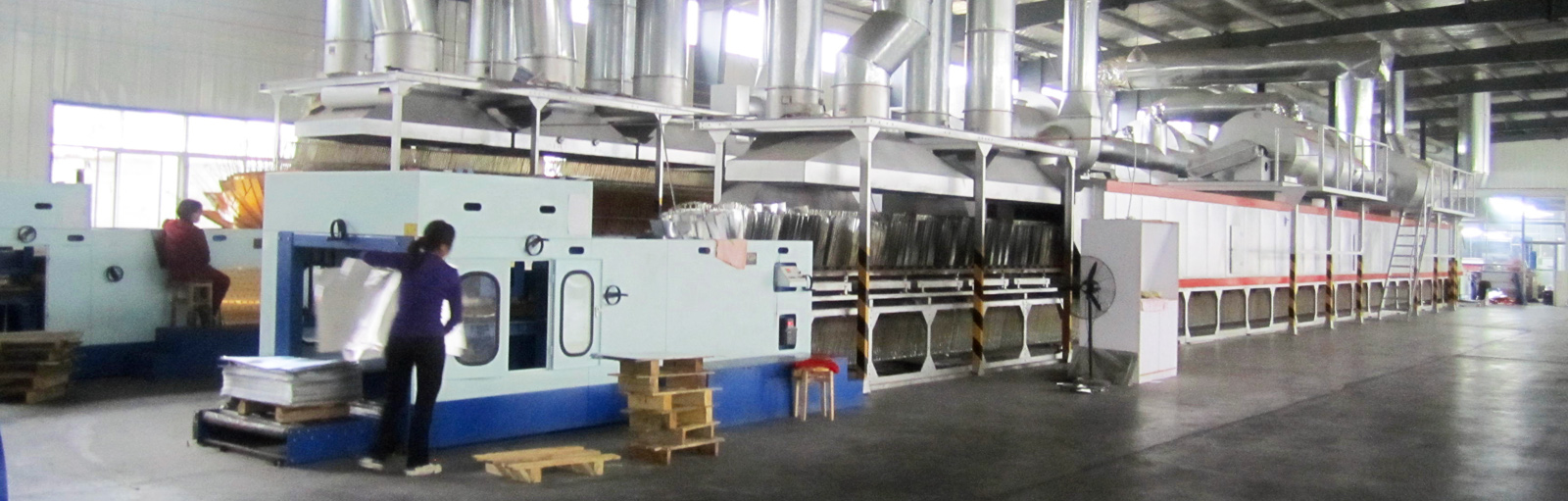
A8011-H16 Bottle Cap Material Aluminum Foil
As a manufacturer engaged in aluminum rolling and closure stock production, we supply A8011-H16 bottle cap material aluminum foil for a wide range of packaging applications. This material is widely used in pilfer proof caps, beverage closures, pharmaceutical bottle caps, cosmetic closures, and other formed aluminum cap products that require stable mechanical properties, clean surface quality, and reliable processing performance.
In bottle cap manufacturing, the quality of the starting aluminum material directly affects stamping behavior, liner compatibility, printing quality, and final closure performance. For this reason, 8011 aluminum foil for bottle caps is not selected only by alloy designation. It must also be evaluated by temper stability, thickness control, flatness, ear-making tendency, degreasing condition, and coating suitability.
This article introduces the characteristics, production control points, and technical parameters of A8011-H16 bottle cap material aluminum foil from the perspective of a factory manufacturer.
What Is A8011-H16 Bottle Cap Material Aluminum Foil
A8011 is a typical Al-Fe-Si series alloy widely used in packaging and closure applications. In the H16 temper, the material is strain-hardened to a medium strength level, offering a balanced combination of formability and rigidity. For bottle cap production, this balance is important. The sheet or foil must be strong enough to maintain cap shape and sealing performance, while still allowing efficient stamping, drawing, curling, and knurling during downstream conversion.
In practical production, A8011-H16 bottle cap material aluminum foil is commonly processed into closure stock with strict controls on gauge tolerance, surface cleanliness, and mechanical consistency. It can be supplied in coil form for high-speed cap production lines and can also be provided with one-side or two-side coated surfaces depending on the closure design and decoration process.
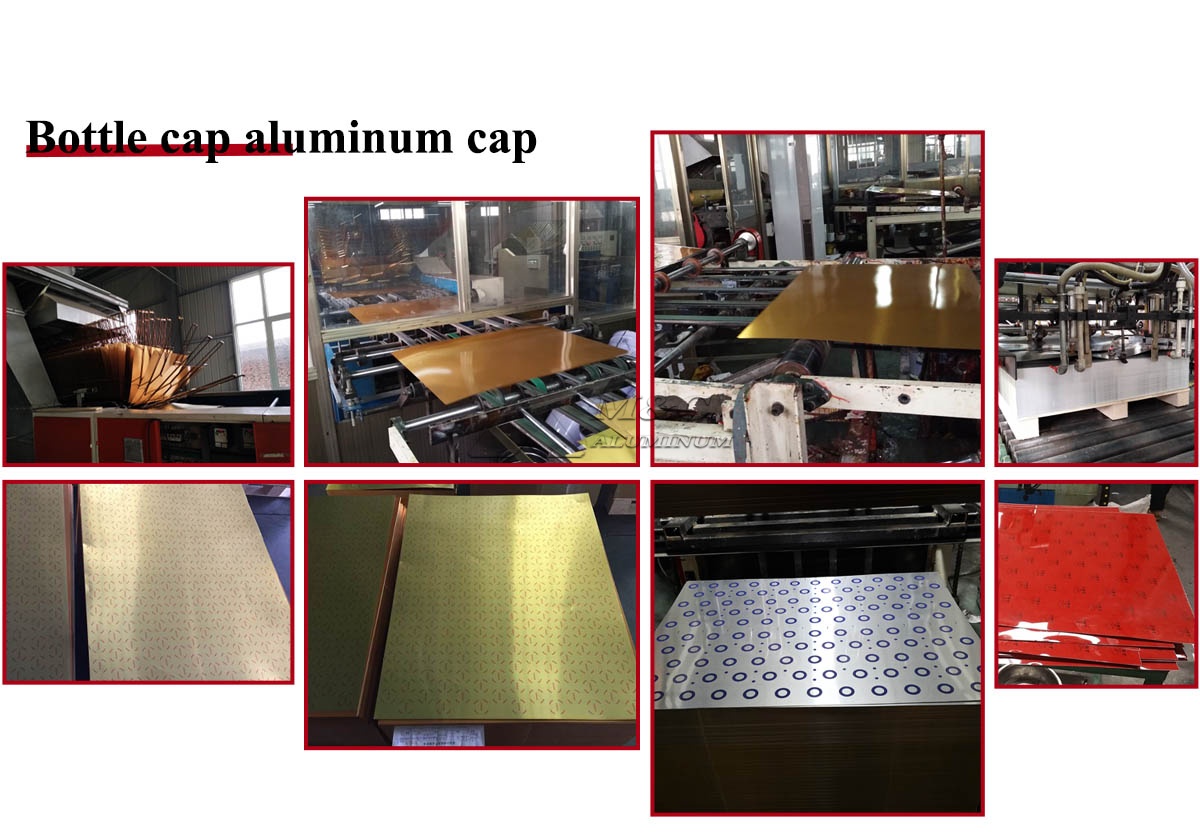
Why 8011 Aluminum Is Widely Used for Bottle Caps
From a manufacturing standpoint, 8011 alloy remains one of the mainstream choices for bottle cap aluminum foil because it offers several practical advantages.
Stable Forming Performance
During shell punching and cap forming, the material must deform uniformly without excessive cracking or wrinkling. 8011 alloy in H16 temper provides good stamping adaptability for common closure geometries.
Good Surface Quality
Bottle cap stock often requires printing, color coating, embossing, or varnishing. A clean and uniform surface is essential for coating adhesion and decorative consistency. Our rolling and cleaning processes are designed to control oil residue, surface defects, and coil marks.
Adequate Strength and Rigidity
Compared with softer tempers, H16 offers improved rigidity, which helps finished caps maintain shape after forming, transport, and capping.
Strong Compatibility With Coating and Lining Systems
For beverage and pharmaceutical closures, the aluminum substrate must work well with internal lacquer, sealing compounds, and external printing systems. 8011 closure material has long been used in these applications because it performs reliably in industrial coating lines.
Efficient Large-Scale Production
As a factory, we value not only alloy properties but also manufacturing efficiency. 8011 alloy is suitable for stable rolling, annealing, slitting, and finishing operations, which supports continuous supply for high-volume closure manufacturers.
Typical Applications of A8011-H16 Bottle Cap Material Aluminum Foil
The main use of 8011 H16 aluminum sheet or foil in this category is closure manufacturing. Typical applications include the following:
Pilfer proof caps for spirits and liquors
ROPP caps for wine and beverage packaging
Aluminum screw caps for mineral water and soft drinks
Pharmaceutical bottle caps and medical packaging closures
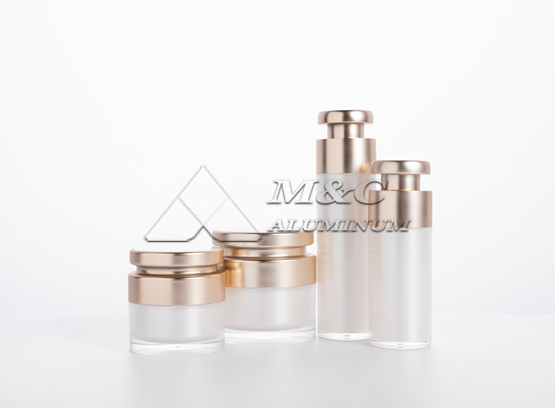
Cosmetic bottle closures and perfume cap shells
Food packaging closures requiring decorative or protective coating
Depending on the end use, material specifications may differ in thickness, width, surface treatment, and mechanical target values.
Technical Parameters of A8011-H16 Bottle Cap Material Aluminum Foil
The following table shows common technical ranges for A8011-H16 aluminum foil used in closure production. Actual values can be adjusted according to product design, cap diameter, and processing route.
| Item | Typical Specification |
|---|---|
| Alloy | A8011 |
| Temper | H16 |
| Product form | Coil, strip |
| Thickness range | 0.15 mm - 0.30 mm |
| Common thickness | 0.18 mm, 0.20 mm, 0.22 mm, 0.24 mm |
| Width range | 80 mm - 1250 mm |
| Inner diameter | 150 mm, 300 mm, 405 mm, 505 mm |
| Outer diameter | According to coil weight and line requirement |
| Tensile strength | 145 - 185 MPa |
| Elongation | 2% - 5% |
| Surface finish | Mill finish, degreased, coated base surface |
| Flatness | Controlled for high-speed stamping |
| Edge condition | Slit edge, burr controlled |
| Surface quality | Free from obvious oil stain, scratches, roll marks, inclusions, and corrosion |
| Coating option | One-side coated, two-side coated, plain surface |
| Standard applications | ROPP caps, pilfer proof caps, pharmaceutical closures |
| MOQ | 1-3 tons |
Key Manufacturing Requirements for Bottle Cap Aluminum Foil
In our production experience, closure material quality is determined not by one single parameter, but by the consistency of the entire manufacturing process.
1. Chemical Composition Control
A8011 alloy performance starts with melt quality. We control the ranges of Fe and Si carefully because these elements influence strength, formability, and microstructure. Stable composition is the basis for stable downstream processing.
2. Hot Rolling and Cold Rolling Stability
The rolling schedule affects gauge precision, internal stress distribution, and surface appearance. For aluminum closure material, thickness deviation must be tightly controlled to support consistent cap shell weight and forming depth. Uneven gauge leads directly to unstable cap quality.
3. Accurate Temper Management
The H16 temper requires controlled work hardening. If the material is too soft, the cap body may lose rigidity. If it is too hard, cracking risk rises during stamping and threading. Our process control focuses on keeping mechanical properties within a narrow and repeatable range.
4. Surface Cleaning and Degreasing
Coating and printing quality depend heavily on surface cleanliness. Residual rolling oil, contamination, and water spots can reduce lacquer adhesion or create defects in decorated closures. For this reason, degreasing and surface inspection are standard parts of our closure stock production.
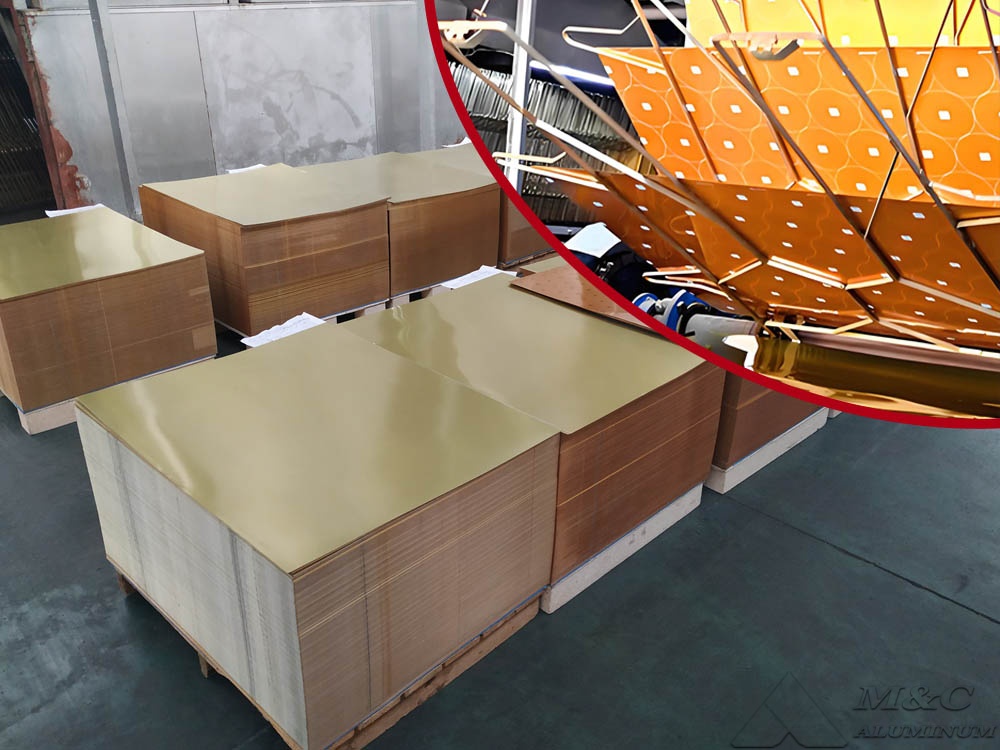
5. Flatness and Coil Shape Control
Poor flatness causes feeding instability in high-speed punching lines. We pay close attention to crown, waviness, telescoping, and coil tension to ensure smooth conversion at the customer's plant.
Production Process of A8011-H16 Bottle Cap Material
The production of A8011-H16 bottle cap material aluminum foil generally includes the following stages:
Raw material selection and melting
Alloy refining and casting
Homogenization treatment
Hot rolling
Cold rolling to target gauge
Intermediate process control for surface and thickness
Final temper adjustment to H16
Cleaning, inspection, and slitting
Packaging and shipment
Each stage affects the final performance of the closure stock. In factory practice, process continuity is especially important. Variations in rolling reduction, lubrication condition, or tension setting may influence earing behavior and forming consistency in bottle cap production.
Performance Considerations in Downstream Cap Manufacturing
Customers using 8011 aluminum foil for bottle caps usually focus on actual line performance rather than alloy designation alone. The most important downstream considerations include the following:
Punching and Drawing Behavior
The material should allow smooth blanking and shell formation with low burr generation and controlled edge cracking risk.
Earing Tendency
Excessive earing reduces yield and affects dimensional consistency. Proper rolling texture control helps reduce this issue.
Coating and Printing Suitability
For decorative closures, the aluminum substrate should support uniform paint laydown and good ink adhesion.
Sealing and Thread Forming
After cap forming, the material must maintain enough strength for thread integrity, opening torque stability, and sealing reliability.
Corrosion Resistance
Although additional lacquer systems often provide primary protection, the base aluminum alloy should still offer good resistance under normal storage and use conditions.
How We Control Quality as a Manufacturer
As a direct producer of bottle cap aluminum foil, we implement quality control from melting to finished coil delivery. Our routine controls include:
Spectrometer analysis for alloy composition
Online thickness monitoring during rolling
Mechanical property testing by coil batch
Surface inspection under defined lighting conditions
Flatness and shape assessment
Slitting edge inspection
Coil identification and traceability by production lot
For closure stock, traceability is important because bottle cap manufacturers often require stable performance across long production runs. Lot-to-lot consistency can reduce machine adjustment frequency and improve finished cap yield.
Selection Guidance for Buyers of 8011 H16 Aluminum Closure Stock
When selecting A8011-H16 bottle cap material aluminum foil, buyers should review more than thickness and price. In our view, the following factors deserve equal attention:
Whether the temper is suitable for the intended cap structure
Whether the gauge tolerance matches forming equipment requirements
Whether the surface is suitable for coating or printing
Whether flatness is adequate for high-speed feeding
Whether mechanical properties are consistent across coil length and between batches
Whether packaging protects the coil from moisture and transport damage
A closure material that appears acceptable in basic specification may still create forming losses if these details are overlooked.
Industry Trend: Higher Consistency and Cleaner Surface for Closure Stock
The bottle cap market continues to demand better appearance quality, higher line speed, and more stable sealing performance. As a result, aluminum closure sheet production is developing toward tighter thickness tolerance, cleaner surface treatment, improved shape control, and more specialized coating-compatible finishes.
At the manufacturing level, this means closer control of melt cleanliness, rolling precision, degreasing efficiency, and final inspection standards. For international packaging customers, consistency is increasingly valued as much as nominal material strength.

Conclusion
A8011-H16 bottle cap material aluminum foil is an established and practical choice for aluminum closure production. Its combination of moderate strength, reliable formability, good surface quality, and coating compatibility makes it suitable for beverage, pharmaceutical, food, and cosmetic bottle caps.
From a factory perspective, the real value of 8011 aluminum foil for bottle caps lies in process stability. Controlled composition, accurate temper, tight gauge tolerance, clean surface, and stable flatness are the key factors that support efficient downstream cap manufacturing and consistent finished closure quality.
For buyers of aluminum closure material, evaluating the manufacturing capability behind the alloy is essential. A stable production system is what turns standard 8011 H16 alloy into dependable bottle cap stock for industrial use.


Applications

Related Articles
- Heat-Sealable Aluminum Foil for Yogurt Cups
- 8011 heat-sealed aluminum foil for easy-peel milk powder can lid
- Aluminum bottle cap materials that are everywhere in life
- Raw materials of aluminum sheet for bottle caps
- Aluminum strip for bottle cap material
- 8011 aluminum foil for perfume bottle cap material
-
Advisory Message
Alloy Grade Thickness, Application, etc.
-
Quick Reply
Quick reply within 30 minutes
-
Getting Information
One-to-one design and customized production plan